






Details
Targeted Material Solution for Industrial Engineering Needs
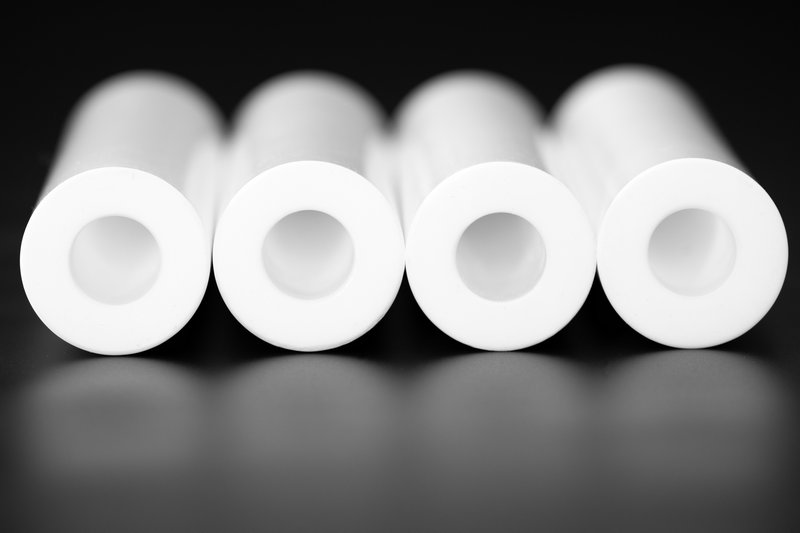
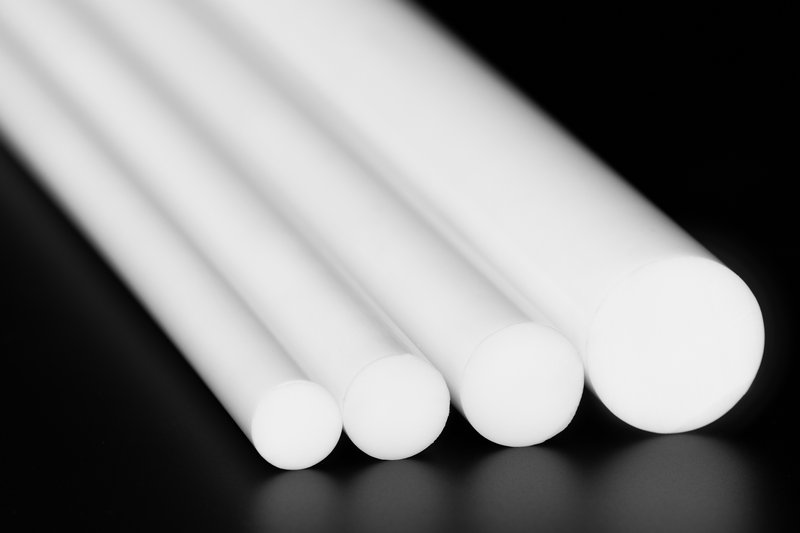
50300 PTFE rods serve as high-performance components tailored for engineers and procurement
specialists requiring reliable polymer materials in demanding environments. Designed for chemical
processing, electrical insulation, and mechanical wear solutions, these rods integrate seamlessly
in systems where durability and precision are essential. Manufacturers and industrial clients benefit
from the connection between wholesale nylon plastic sheet offerings and these advanced rods,
enabling complementary usage with nylon sheet assemblies. This product suits professionals
optimizing designs with polymers that withstand chemical exposure, temperature fluctuations,
and mechanical stress.
Material Properties and Technical Specifications of 50300 PTFE Rods
Manufactured from virgin or modified PTFE, these rods exhibit superior chemical inertness, a low
coefficient of friction (0.05–0.10), and stable performance from -200°C to 260°C. Their tensile
strength ranges from 20 to 35 MPa with elongation at break between 200 and 500%, making them
adaptable for components requiring flexibility as well as strength. Their dielectric strength of up
to 60 kV/mm ensures reliability in electrical insulation contexts. These precisely machinable rods
align well with complementary nylon plastic sheet profiles to provide integrated system solutions
demanding torque resistance, self-lubrication, and minimal maintenance.
Industry Applications and Operational Value in Harsh Environments
50300 PTFE rods are extensively used in chemical processing equipment such as valves, seals, and
pump components that face aggressive fluids and extreme temperatures. In electrical manufacturing,
their dielectric properties support high-voltage insulation needs. They also serve in hygienic food and
medical equipment due to their non-reactive, easy-clean surfaces. Combining usage with wholesale
nylon plastic sheet and nylon plastic parts enables customized assemblies capable of withstanding
rigorous industrial workflows while enhancing operational efficiency and compliance with regulatory
standards.
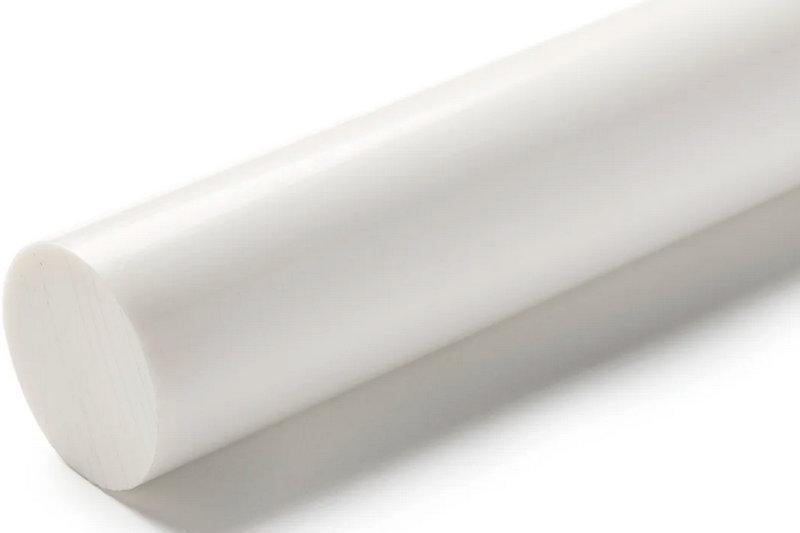
PTFE (TEFLON) RODS
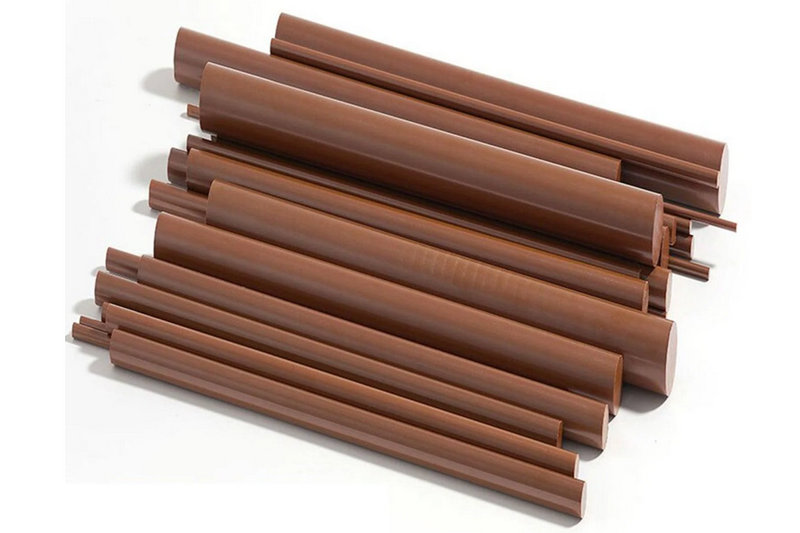
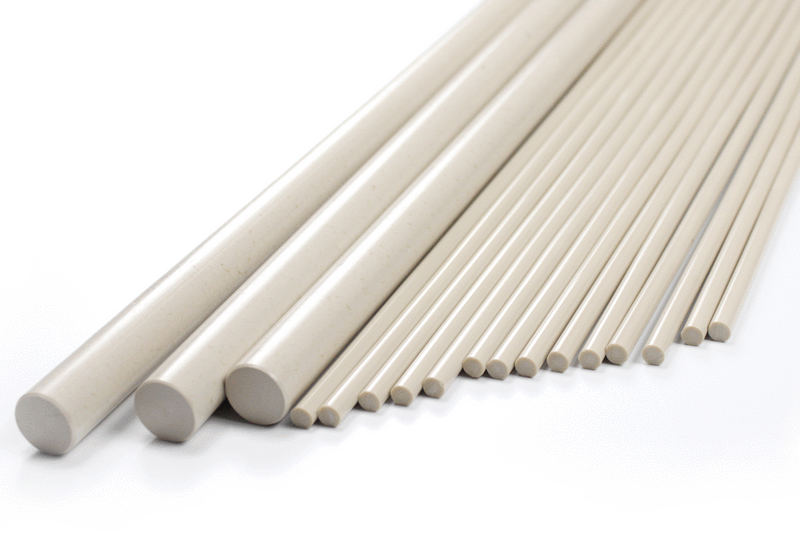
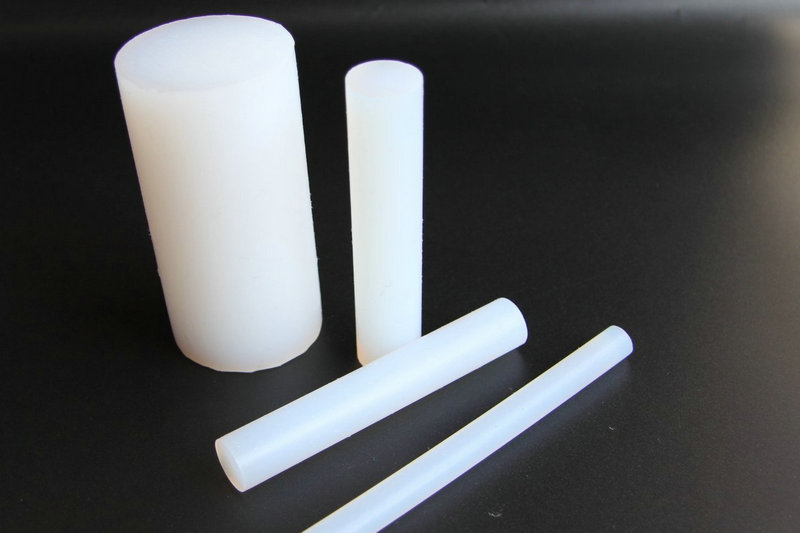
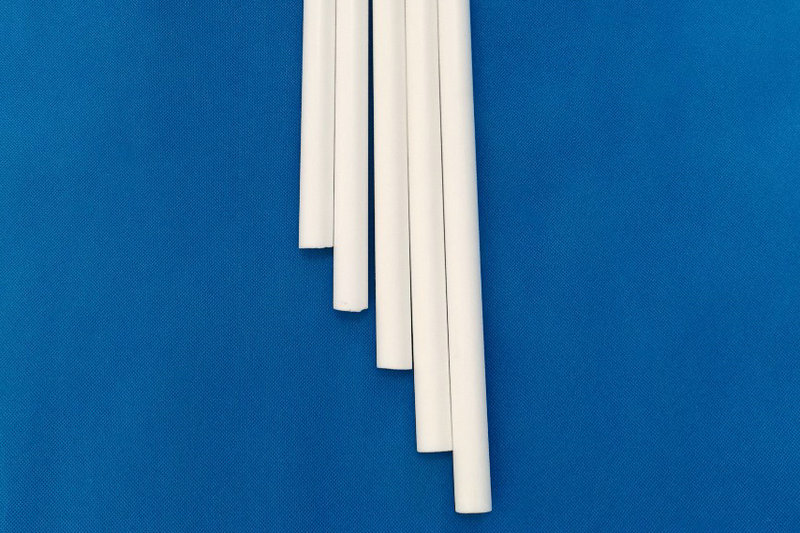
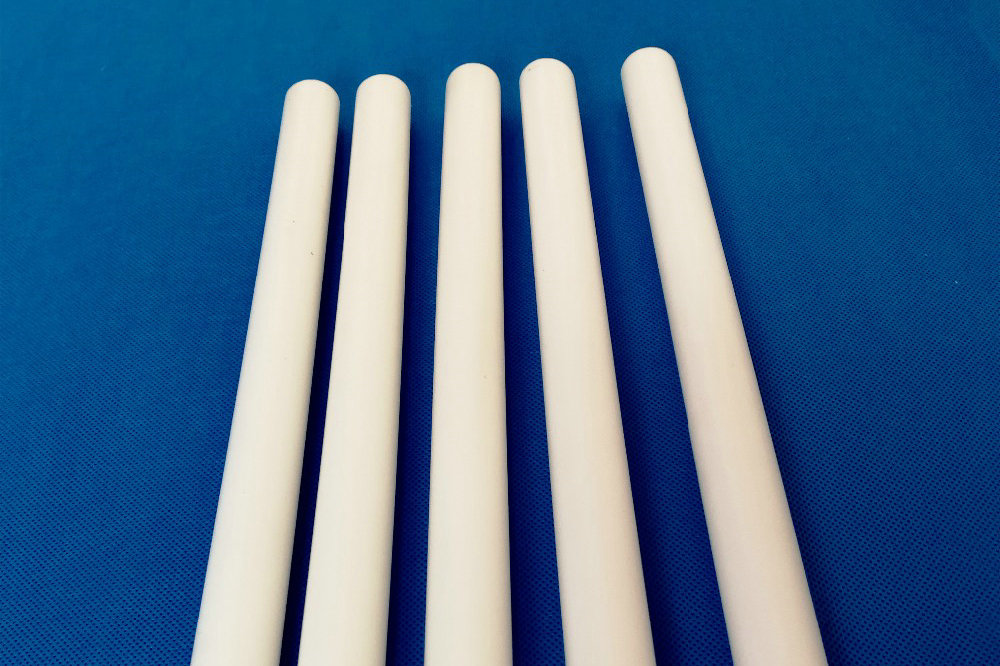
PTFE (Polytetrafluoroethylene) rods, commonly known by the trademark Teflon® rods, are solid cylindrical bars made from a high-performance fluoropolymer. PTFE is renowned for its exceptional chemical inertness, non-stick properties, and ability to operate in extreme temperatures. These rods are manufactured through compression molding or extrusion processes and are widely used in industries requiring durability, low friction, and resistance to harsh environments. PTFE rods come in various diameters and lengths and are often machined into custom components or used as finished parts in sealing, insulation, and sliding applications.
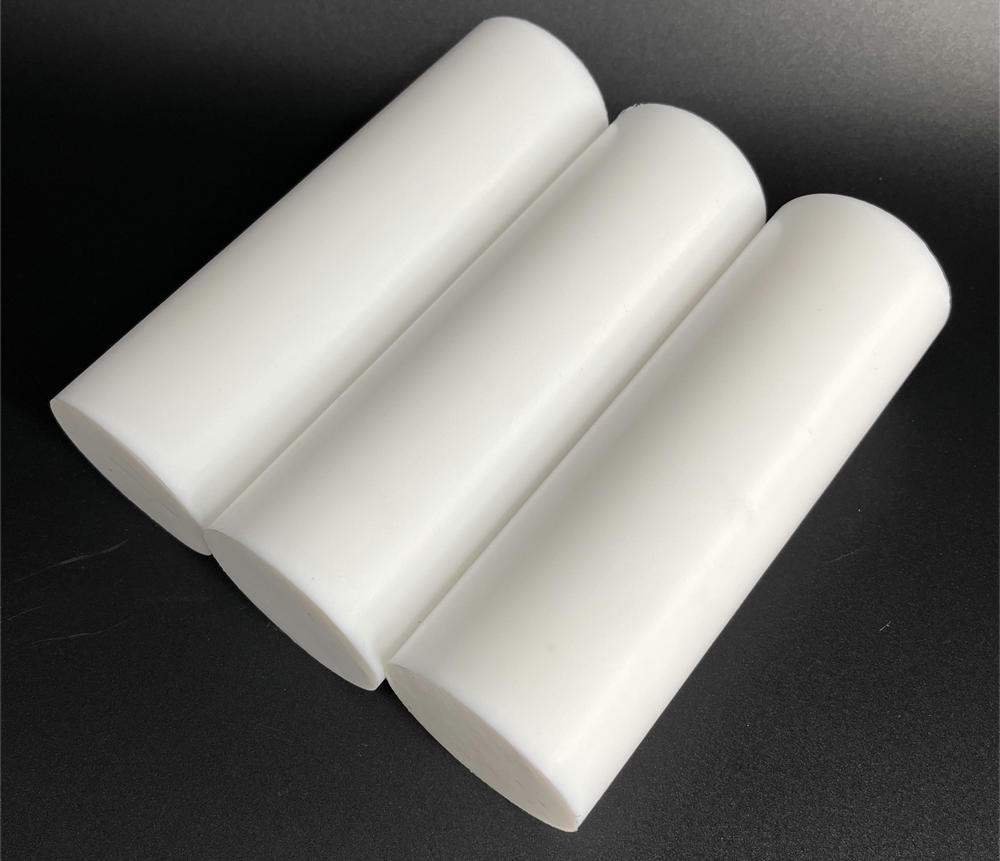
Key Features:
-Exceptional Chemical Resistance:
PTFE is virtually immune to acids, bases, solvents, and many corrosive chemicals, making it ideal for chemical processing and handling aggressive media.
-Ultra-Low Friction Coefficient:
Its non-stick surface minimizes friction, ensuring smooth operation in moving parts and reducing wear.
-Wide Temperature Range:
PTFE rods can perform in environments from cryogenic temperatures up to around 260°C, ensuring durability in both extreme cold and high-heat conditions.
-Electrical Insulation:
With excellent dielectric properties, PTFE rods are often used in electrical applications requiring high voltage resistance.
-Non-Adhesive Surface:
The low surface energy of PTFE prevents the buildup of materials, facilitating easy cleaning and reducing contamination risks.
-Self-Lubricating:
Due to their inherent low friction, PTFE rods often require no additional lubrication, which simplifies maintenance in dynamic systems.
-Biocompatibility:
They are suitable for medical and food processing applications when manufactured under stringent quality standards.
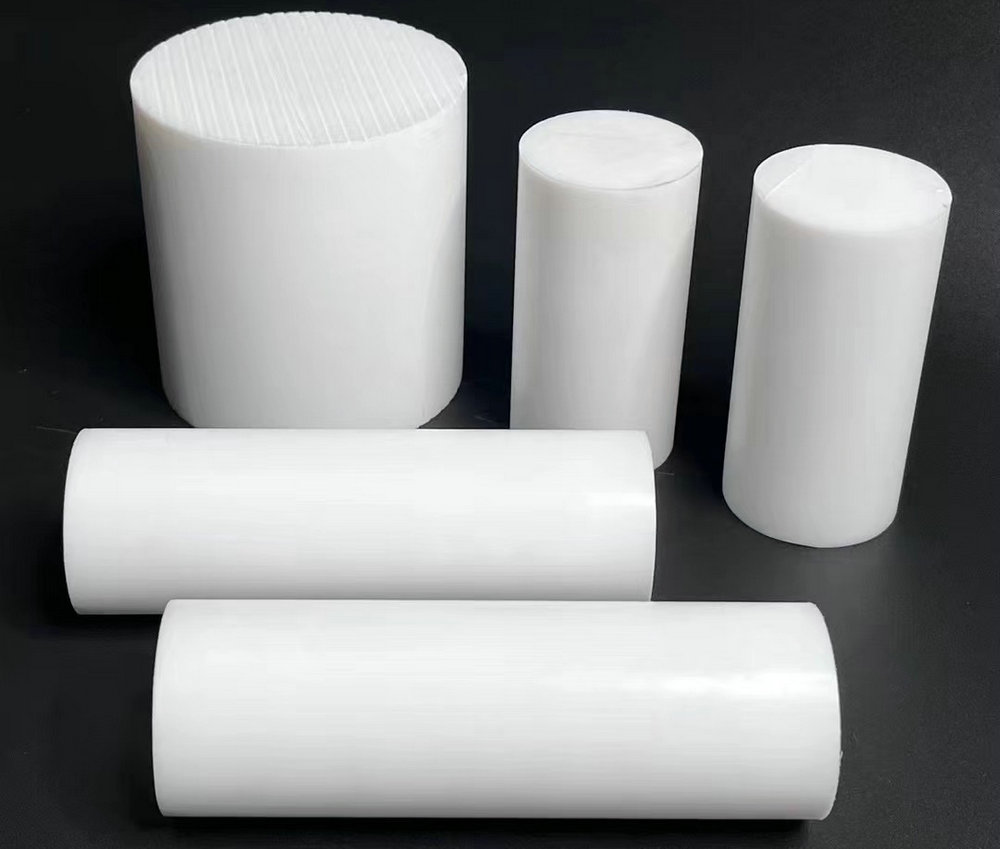
Technical Parameters:
Parameter | Typical Value/Range | Notes |
Material | PTFE (Polytetrafluoroethylene) | Virgin or modified with fillers |
Density | ~2.2 g/cm³ | May vary slightly with fillers or additives |
Tensile Strength | 20 – 35 MPa | Dependent on sheet formulation |
Elongation at Break | 200 – 500% | High flexibility compared to many other polymers |
Hardness | ~50-60 Shore D | Soft and workable, which may be adjusted with fillers |
Melting Point | ~327°C | High melting temperature ensures thermal stability |
Operating Temperature | -200°C to +260°C | Continuous service range varies by formulation and thickness |
Coefficient of Friction | 0.05 – 0.10 | One of the lowest among engineering plastics |
Dielectric Strength | ~20-60 kV/mm | Excellent insulating properties |
Thermal Conductivity | ~0.25 W/m·K | Low, making PTFE a good thermal insulator |
Water Absorption | <0.01% |
Note: Actual values can vary based on the specific grade, processing method, and any fillers used (e.g., glass or carbon).
Product Advantages:
Superior Chemical Resistance: Ideal for handling corrosive substances without degradation.
Low Friction & Wear: Minimizes energy loss and mechanical wear in sliding or rotating applications.
Thermal Endurance: Stable performance across a broad range of temperatures makes it versatile in extreme environments.
Excellent Insulation: High dielectric strength allows safe use in electrical and electronic components.
Reduced Maintenance: Non-stick and self-lubricating properties mean less frequent cleaning and lower maintenance costs.
Versatile Machinability: Can be machined into complex shapes or custom sizes with standard equipment.
Biocompatible Options: Suitable for sensitive applications in the medical and food industries when produced to the required standards.
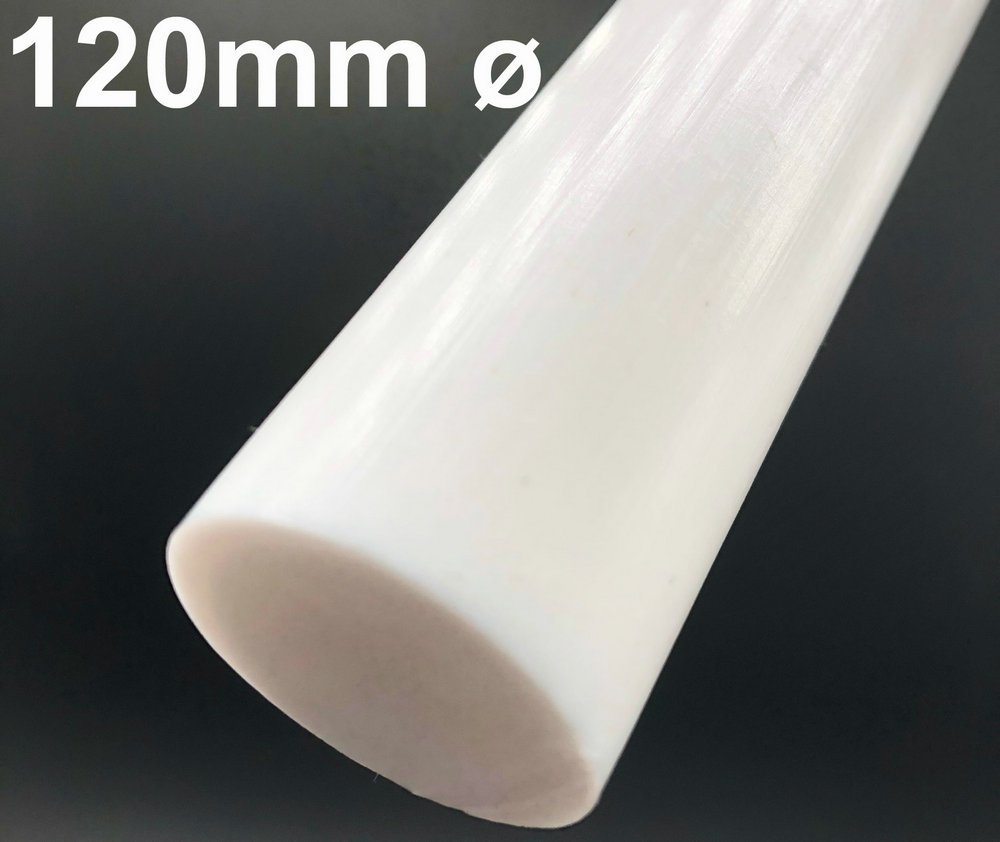
Applications:
Seals and Gaskets: PTFE rods can be machined into precision seals for chemical and fluid systems.
Bushings & Bearings: Their low friction and self-lubricating properties make them ideal for moving parts in machinery.
Electrical Insulation: Used in the production of insulators, cable guides, and other electrical components.
Chemical Processing Equipment: Components exposed to harsh chemicals, such as valve seats and pump parts, benefit from PTFE's inertness.
Food and Medical Industries: PTFE rods are utilized for their non-reactive and hygienic properties in instruments, equipment that handles food or pharmaceuticals.
Sliding and Wear Components: Often used for wear strips, slide pads, and guides in machinery where minimal friction is essential.
Custom Machined Parts: Ideal for prototype development and specialized components in various industries, including aerospace and automotive.
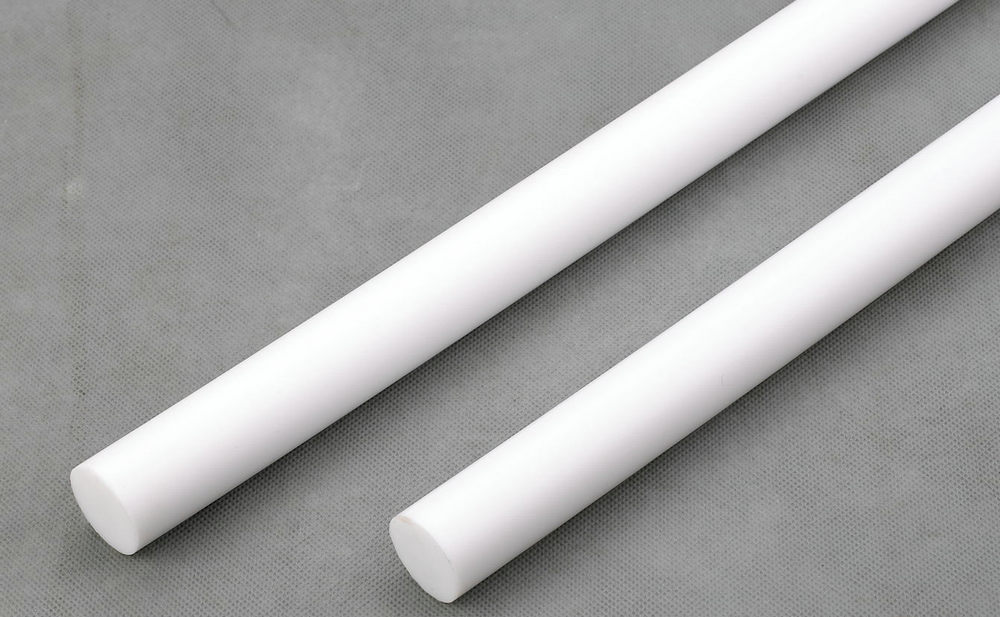
Types:
-Virgin PTFE Rods:
Made from pure PTFE, these rods offer the maximum chemical inertness and non-stick properties.
-Filled PTFE Rods:
Glass-Filled: Enhances stiffness and dimensional stability, suitable for higher load applications.
Carbon-Filled: Lowers the friction coefficient further and improves wear resistance, ideal for high-speed or dynamic systems.
-Modified PTFE Rods:
Custom formulations that may include additional fillers or processing techniques to meet specific engineering requirements.
-Custom-Dimensioned PTFE Rods:
Available in various diameters and lengths, with options for machining to specific tolerances and profiles as per customer needs.
Storage:
-Storage Conditions:
Environment: Store PTFE rods in a cool, dry, and clean area away from direct sunlight.
Packaging: Keep them in protective packaging to avoid scratches, dust accumulation, or physical damage.
-Handling Recommendations:
Clean Handling: Use gloves to prevent contamination, especially for rods destined for medical or food-grade applications.
Avoid Heavy Loads: When storing, do not stack heavy items on top of PTFE rods to prevent deformation or surface damage.
-Shelf Life:
PTFE rods have a very long shelf life if stored properly. They can remain in optimal condition for many years, but best practice is to inspect them periodically, particularly if used in critical applications.
FAQ
Q1: What makes PTFE rods different from other plastic rods?
A: PTFE rods are distinguished by their unparalleled chemical inertness, ultra-low friction properties, and broad temperature tolerance. These characteristics make them ideal for applications where other plastics might degrade or fail.
Q2: Can PTFE rods be easily machined?
A: Yes, PTFE rods are highly machinable using standard equipment. However, due to their softness and tendency to creep under load, careful machining techniques and proper fixturing are recommended.
Q3: What are the typical applications of PTFE rods?
A: They are widely used in sealing, bushings, bearings, electrical insulation, chemical processing components, and custom-machined parts for industries such as aerospace, automotive, food processing, and medical.
Q4: How should I store PTFE rods to ensure their longevity?
A: Store them in a cool, dry, and dust-free environment, preferably in protective packaging. Avoid direct sunlight and stacking heavy items on top to maintain their structural integrity and surface finish.
Q5: What are the benefits of using filled PTFE rods over virgin ones?
A: Filled PTFE rods (such as glass-filled or carbon-filled) offer enhanced mechanical properties like increased stiffness and improved wear resistance, which are beneficial in high-load or high-speed applications.
Q6: How do I choose the right PTFE rod for my application?
A: Consider the environmental conditions (chemical exposure, temperature range), the mechanical load, and the required dimensional stability. Also, decide whether the additional properties provided by filled variants are necessary for your application.
Q7: What chemicals damage PTFE?
A: Molten alkali metals (e.g., sodium) and fluorine gas at high temperatures.
Q8: What is the advantages and disadvantages of PTFE rods compared to Nylon rods?
A: PTFE offers superior chemical/thermal resistance but lower mechanical strength.