






Details
POLYIMIDE (PI) RODS
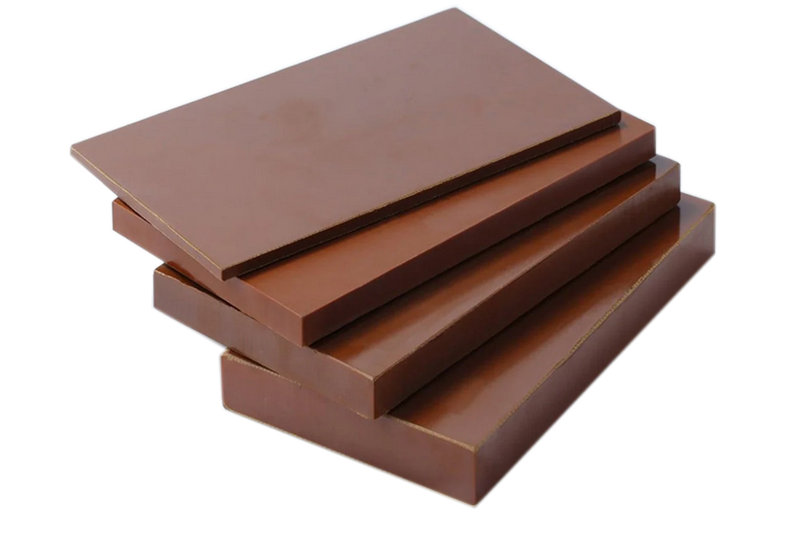
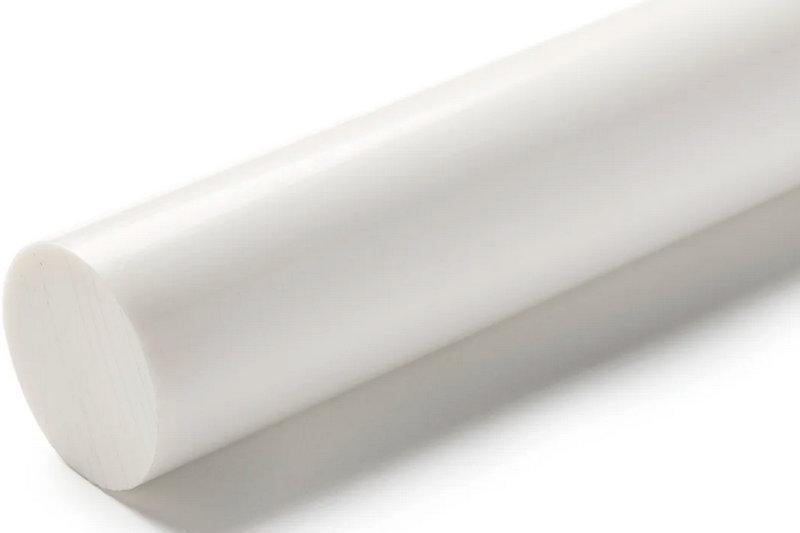
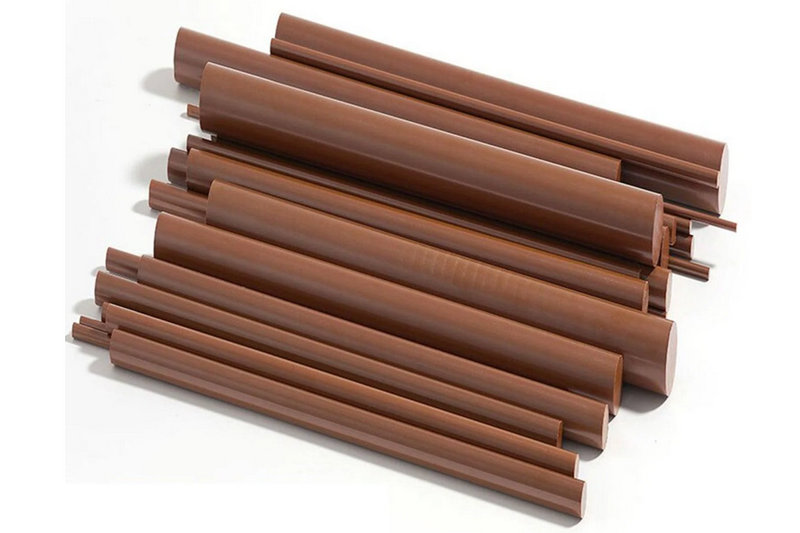
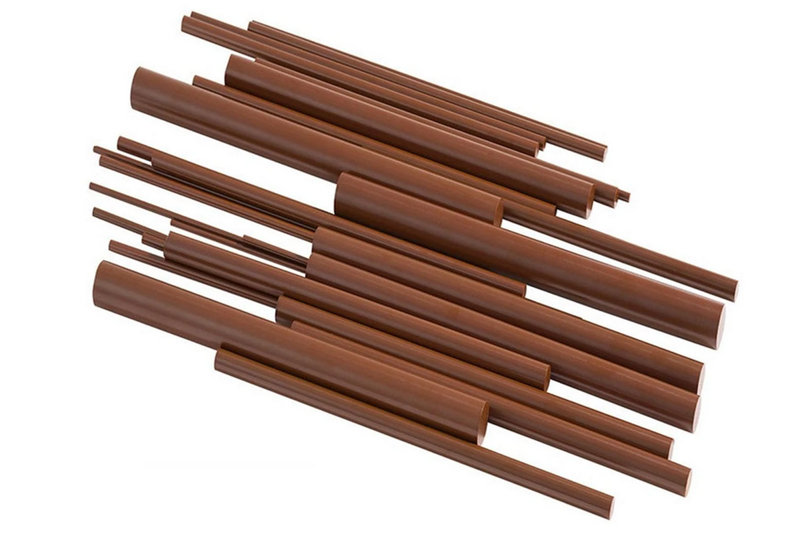
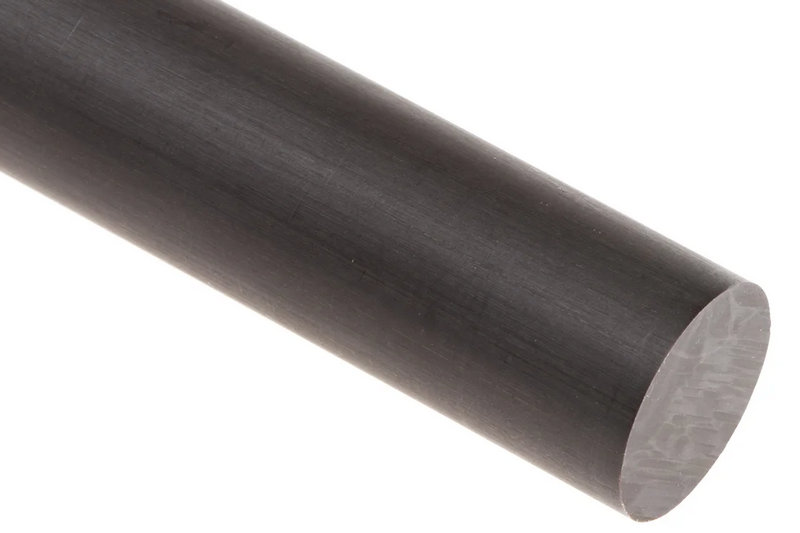
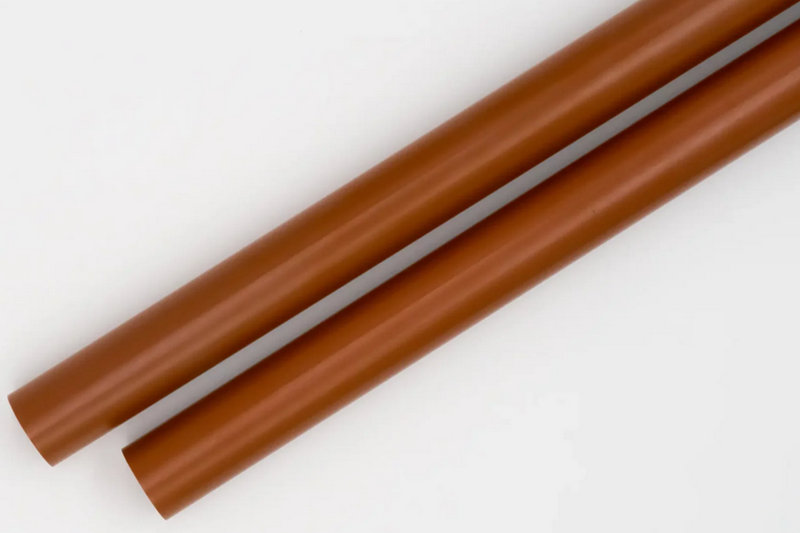
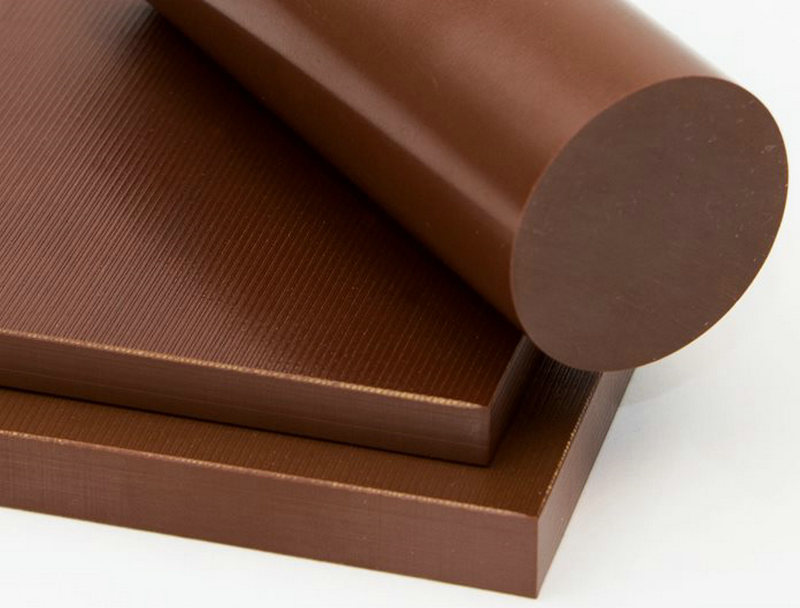
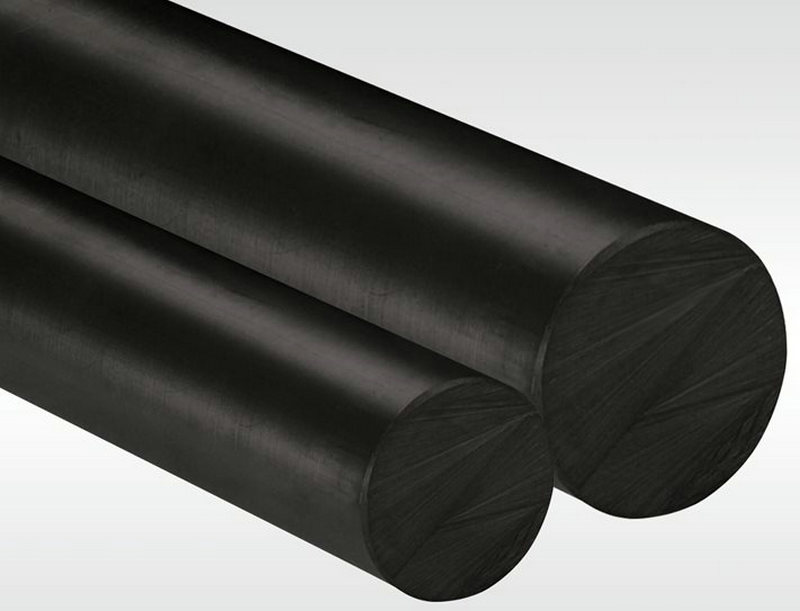
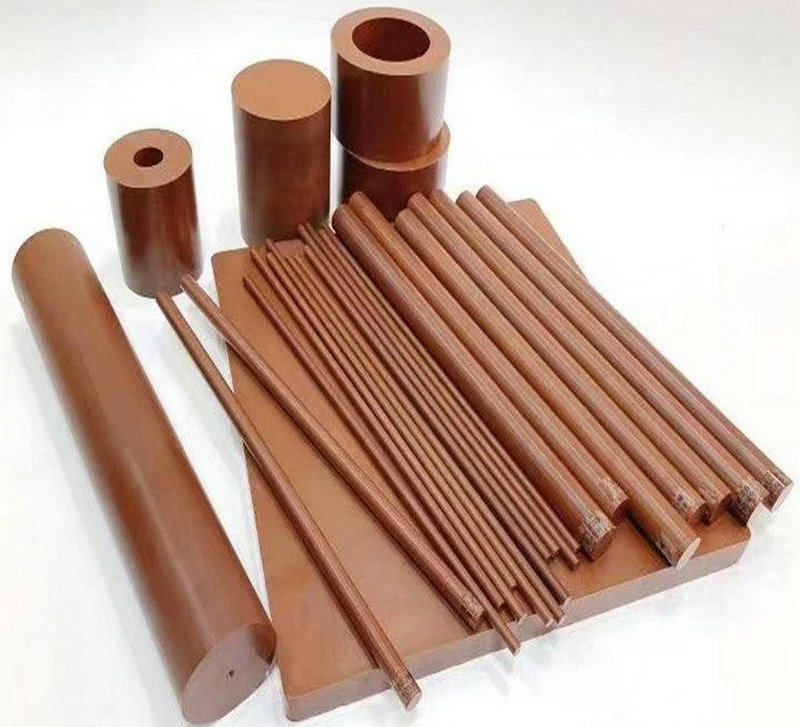
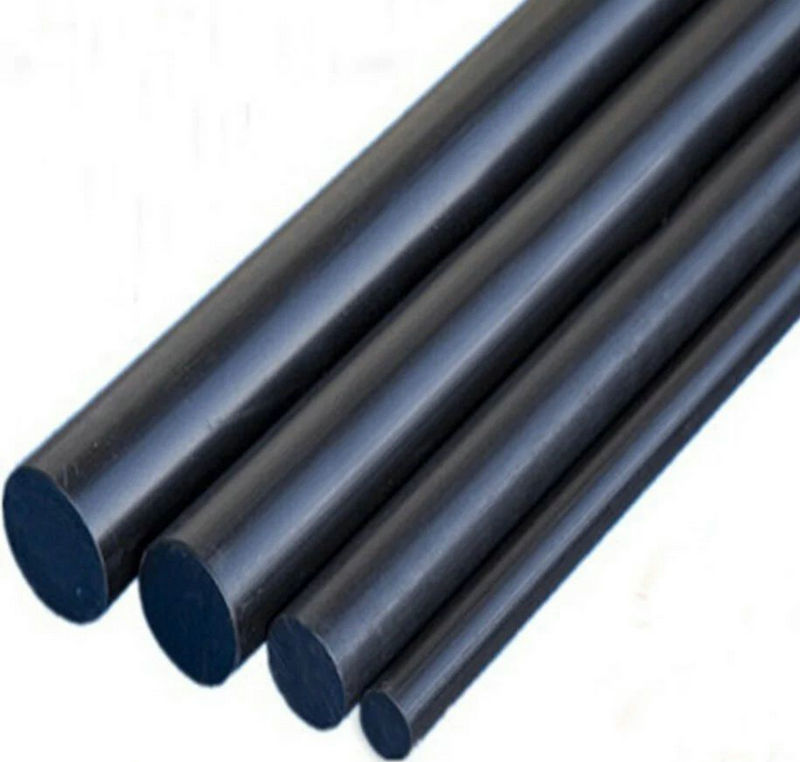
Polyimide Rods (PI Rods) are high-performance, solid cylindrical components made from aromatic polyimide resins. These rods exhibit extraordinary thermal stability, chemical resistance, mechanical strength, and electrical insulating properties. Polyimide (PI) rods are typically thermosetting (cross-linked), meaning they do not melt but decompose at extreme temperatures. They are synthesized through a condensation reaction of diamines and dianhydrides, forming a robust imide structure. PI rods are available in standard or custom-machined dimensions and are often amber or dark brown. They are typically used in high-demand applications where traditional polymers fail due to extreme temperatures, friction, or harsh chemicals.
Key Features:
Thermal Resistance: Operate continuously from -269°C to +260°C (up to 300°C short-term).
Mechanical Strength: Excellent tensile, compressive, and flexural strength. High tensile (90–120 MPa) and compressive (150–200 MPa) strength.
Chemical Resistance: Resists oils, fuels, and solvents but vulnerable to strong bases (e.g., NaOH) and concentrated acids.
Electrical Insulation: Excellent dielectric properties (dielectric strength: 20–30 kV/mm; volume resistivity: ~10¹⁶ Ω·cm) and low dielectric constant.
Low Thermal Expansion: Coefficient of thermal expansion (CTE): 20–50 ppm/°C.
Wear & Radiation Resistance: Self-lubricating grades reduce friction; suitable for aerospace/radiation environments.
Flame Retardancy: UL94 V-0 compliant; Naturally self-extinguishing.
Low Outgassing: Ideal for vacuum applications (e.g., space equipment).
Creep Resistance: Maintains shape and integrity under mechanical load over time.
Radiation Resistance: Withstands exposure to high-energy radiation (gamma, electron beams).
No Melting Point: Does not melt; transitions directly from solid to decomposition.
Types:
Unfilled (Pure) PI Rods: Baseline thermal/electrical properties.
Glass-Filled PI Rods: Enhanced stiffness and creep resistance
Graphite-Filled PI Rods: Improved lubricity and thermal conductivity
Carbon-Filled PI Rods: Increased electrical conductivity.
Thermoplastic PI Rods: Can be melted and reshaped—suitable for thermoforming.
Technical Parameters:
Property | Value Range | Notes |
Density | 1.42 – 1.55 g/cm³ | Depending on filler content |
Continuous Use Temperature | 260 – 300°C | Some grades up to 350°C |
Short-Term Peak Temperature | Up to 500°C | For brief exposure |
Tensile Strength | 100 – 230 MPa | High durability |
Compressive Strength | 100 – 240 MPa | For load-bearing parts |
Tensile Modulus | 3.5 – 5.5 GPa | Rigid material |
Elongation at Break | 5 – 15% | Brittle to semi-flexible |
Coefficient of Friction | 0.30 – 0.40 | Can be reduced with graphite fillers |
Dielectric Strength | >200 kV/mm | Excellent insulator |
Water Absorption (24h) | <0.4% | Low moisture sensitivity |
Thermal Conductivity | ~0.25 W/m·K | Poor heat conductor |
Flammability Rating (UL94) | V-0 | Self-extinguishing |
Product Benefits:
Operates across a wide thermal range
Outstanding dimensional stability
High dielectric insulation
Excellent wear and friction properties
Suitable for contact with aggressive chemicals
Performs reliably in space, vacuum, and radiation environments
No need for lubrication in many bearing-type applications
Longer lifecycle under harsh conditions
Applications:
Aerospace: Bushings, bearings, thermal shields, valve seats.
Semiconductor: Wafer carriers, CMP rings, insulators.
Electronics: Connectors, coil bobbins, circuit board guides.
Automotive: Turbocharger components, transmission seals.
Industrial: High-temp bearings, seals, furnace components.
Medical: Sterilizable surgical tools, imaging equipment.
Vacuum Systems: Spacecraft components, particle accelerators.
Storage & Handling:
Store flat or vertically to prevent warping.
Avoid prolonged exposure to sunlight or UV light.
Keep in a clean, dry, and dust-free area.
Ideal storage temperature: 10–30°C.
Avoid contact with corrosive vapors or high humidity.
Note: Polyimide rods are highly stable and can be stored indefinitely under proper conditions.
FAQ
Q1: What is the difference between polyimide rods and PEEK/PTFE rods?
A: PI rods can withstand higher temperatures and have better thermal and radiation resistance than PEEK or PTFE. PEEK is easier to machine but doesn’t offer the same high-temperature performance.
Q2: Can polyimide rods be machined?
A: Yes. PI rods are typically machined using CNC lathes and mills. Use sharp carbide tools and proper cooling to avoid surface burning.
Q3: Can polyimide rods be bonded or glued?
A: Yes, with special adhesives such as polyimide-compatible epoxies. Surface preparation improves adhesion.
Q4: What sizes of PI rods are available?
A: Rod diameters typically range from 6 mm to 100 mm, with lengths from 300 mm to 1000 mm or more.
Q5: Are polyimide rods expensive?
A: Yes, they are premium-priced materials, costing significantly more than standard plastics due to their complex processing and high performance.
Q6: Do polyimide rods absorb moisture?
A: Slight moisture absorption (<0.4%), but performance remains stable in humid environments.
Q7: Do polyimide rods outgas in vacuum?
A: Very low outgassing makes PI rods ideal for space, aerospace, and semiconductor vacuum systems.
Q8: Are polyimide rods radiation resistant?
A: Yes, PI retains properties after exposure to gamma/X-rays, ideal for nuclear/aerospace.
- PRE: 130100 Polyimide Sheets
- NEXT: No more