






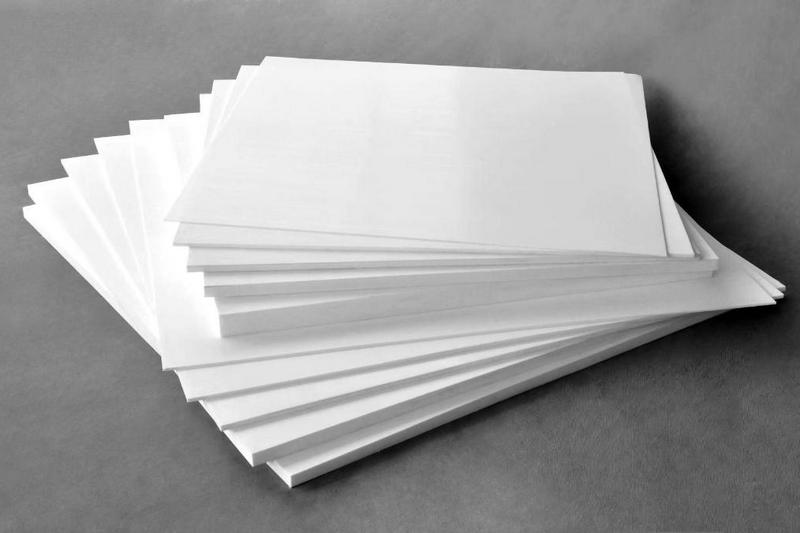
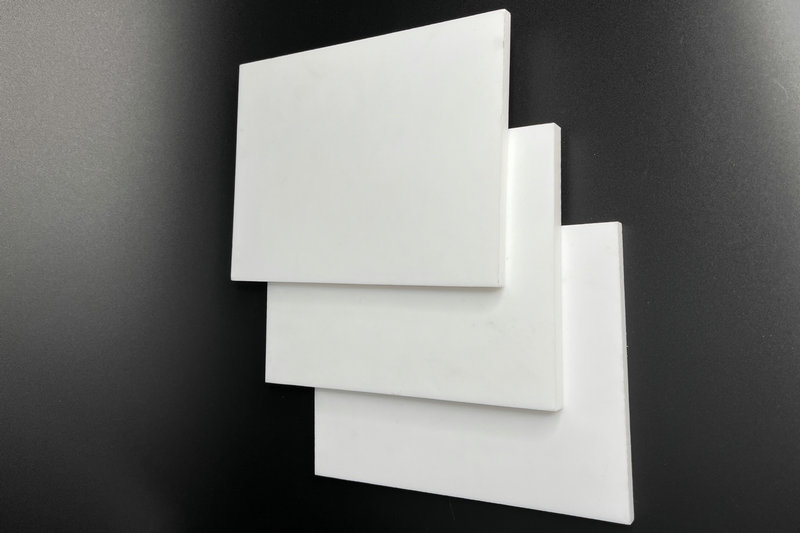
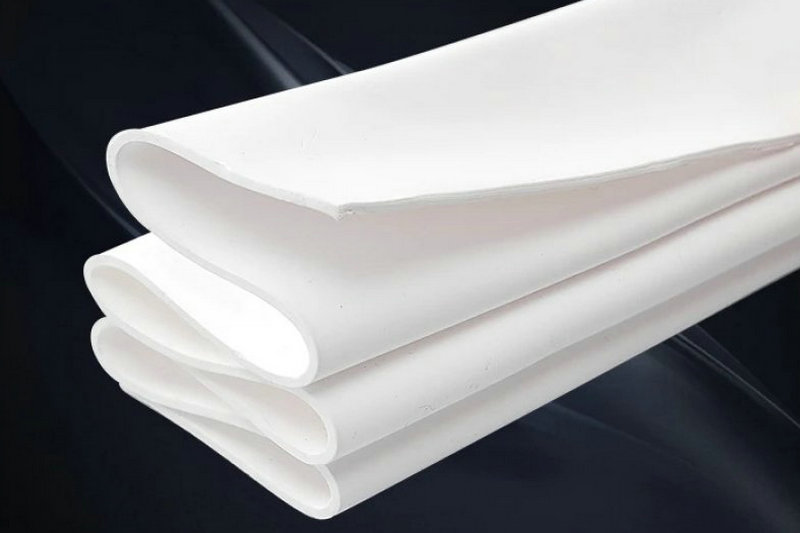
Details
Functional Role and Intended Users of Nylon Sheets
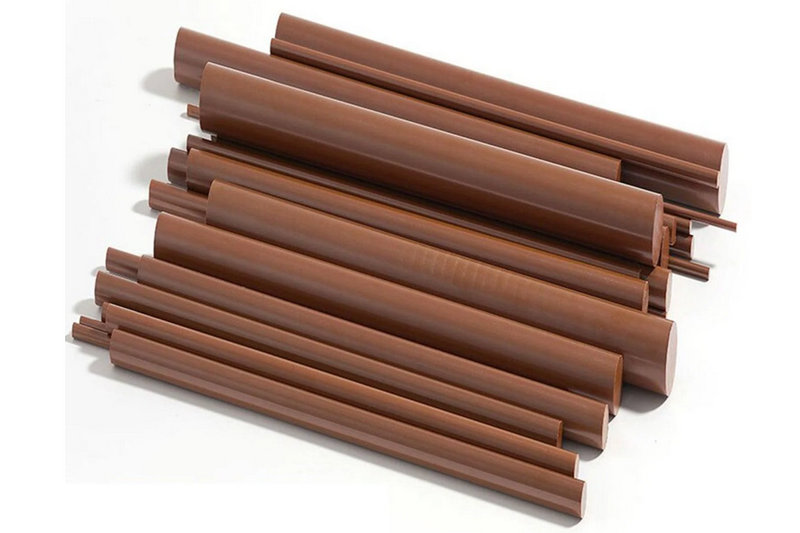
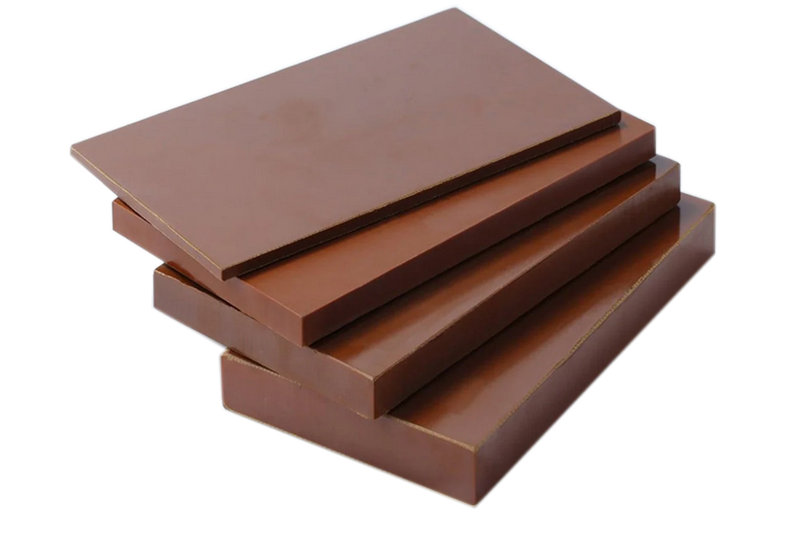
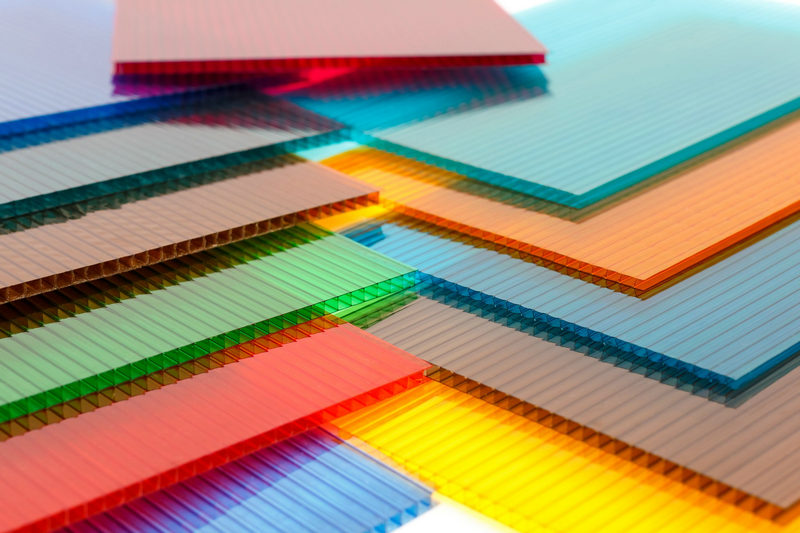
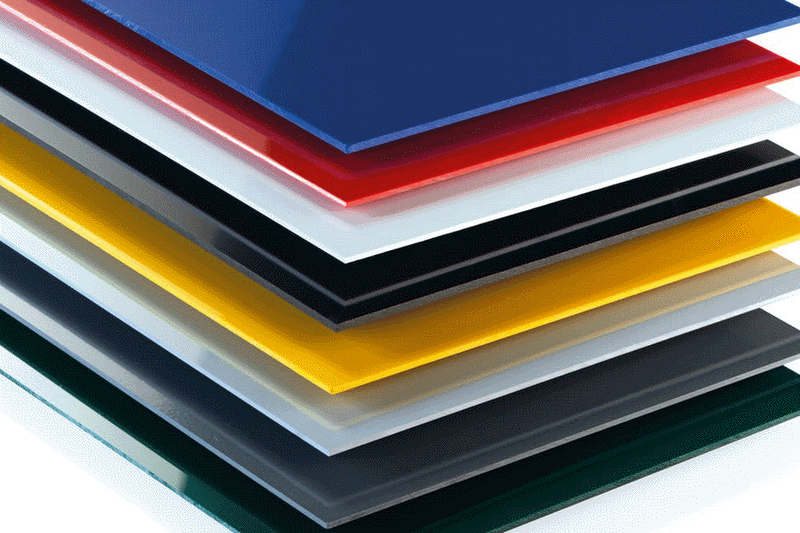
The nylon plastic sheet serves as a versatile material solution primarily targeted at industrial engineers,
product designers, and procurement specialists seeking robust substrates for mechanical and structural
components. Our wholesale nylon plastic sheet is designed for use in environments demanding
resistance to wear, impact, and corrosion. These sheets are particularly valuable for users in sectors
such as automotive manufacturing, industrial machinery, and electrical equipment, where material
consistency and compliance with engineering standards are critical. They enable enhanced product
longevity and formulative flexibility in customized machining and fabrication processes. Through
providing a reliable nylon plastic base, these sheets meet rigorous performance criteria and
integration requirements in technical workflows.
Technical Attributes and Quantifiable Properties of Nylon Sheets
Manufactured with precision, the nylon sheets exhibit high tensile strength, abrasion resistance, and low
moisture absorption rates crucial for engineering reliability. Typical mechanical properties include tensile
strength up to 80 MPa, elongation at break approximately 40%, and a melting point in the range of 215°C
to 260°C depending on formulation. The dimensional stability of the nylon plastic sheet under varying
thermal and mechanical loads supports tolerance-critical applications. Additionally, their chemical
resistance against oils, solvents, and mild acids expands usability across manufacturing contexts.
This product is available with customized thicknesses and widths to fit user-specific designs and
systemic integration requirements, enabling efficient production scalability in diverse industrial setups.
Sector Applications and Practical Benefits of Nylon Plastic Sheets
The application spectrum of nylon plastic sheets spans automotive component fabrication, electrical
insulation layers, and wear-resistant parts in heavy machinery. For procurement teams aiming at
cost-effective, durable materials, the wholesale nylon plastic sheet consolidates supply chain stability
with standardized quality control. In aerospace and marine industries, nylon sheets serve as reliable
material bases for bushings and spacers due to their self-lubricating properties and impact resistance.
The adaptability of nylon plastic materials allows integration with multi-material assembly lines,
supporting manufacturing efficiency and end-product reliability. Consequently,these sheets contribute
measurable operational advantages including lower maintenance needs and extended equipment
service intervals.
PTFE (TEFLON) SHEETS
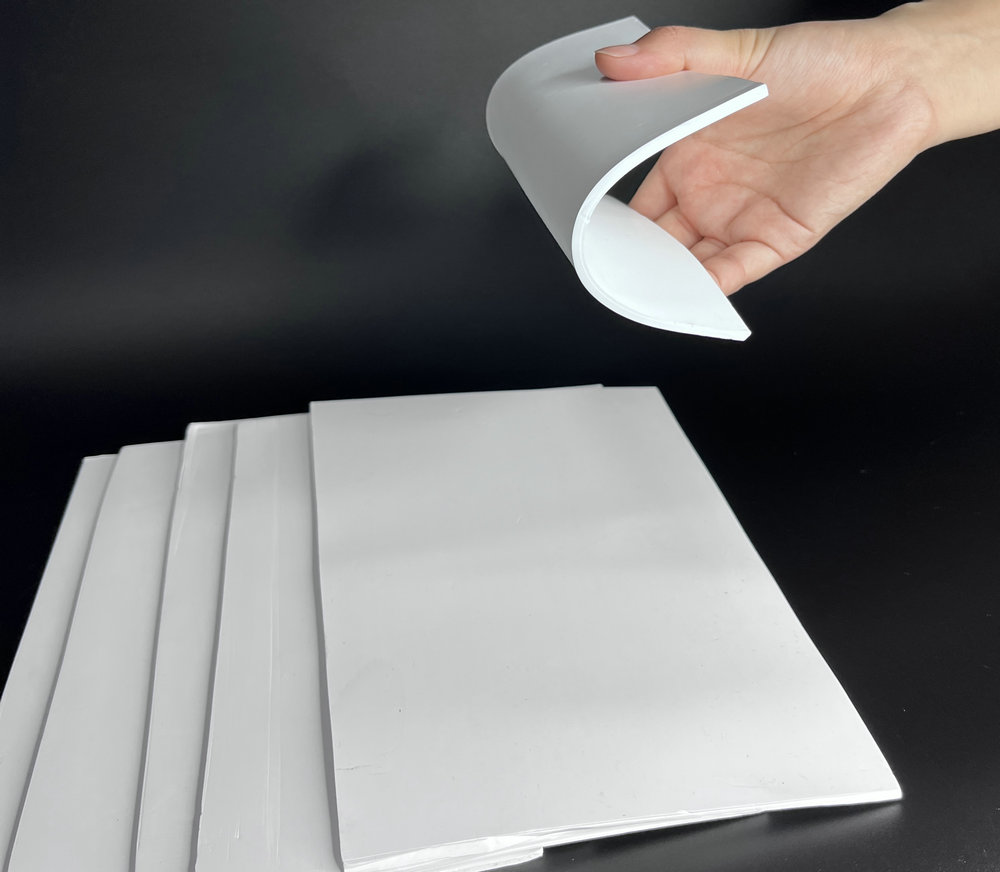
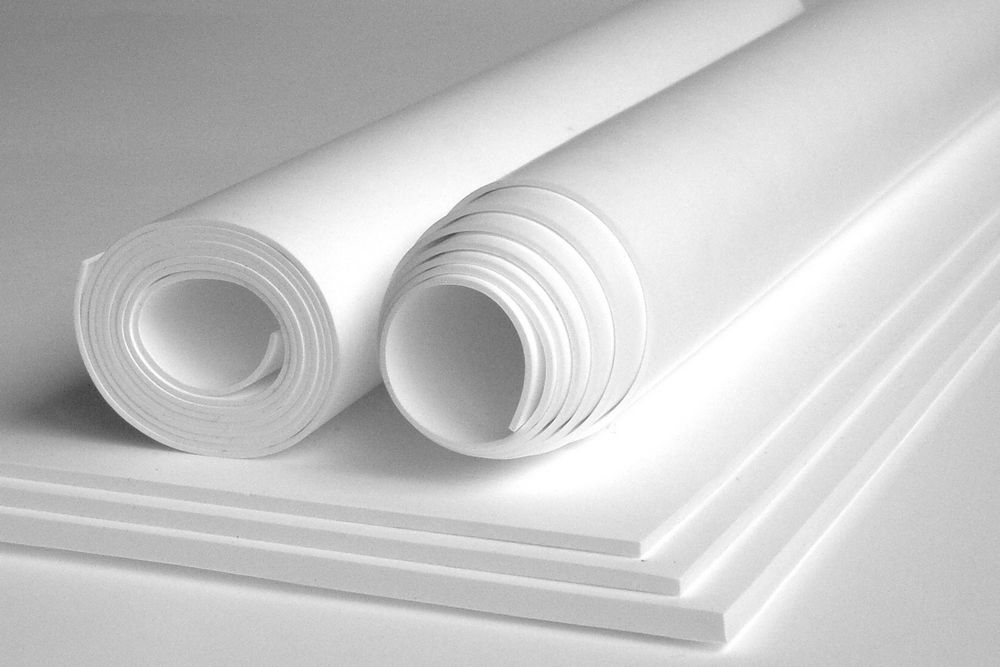
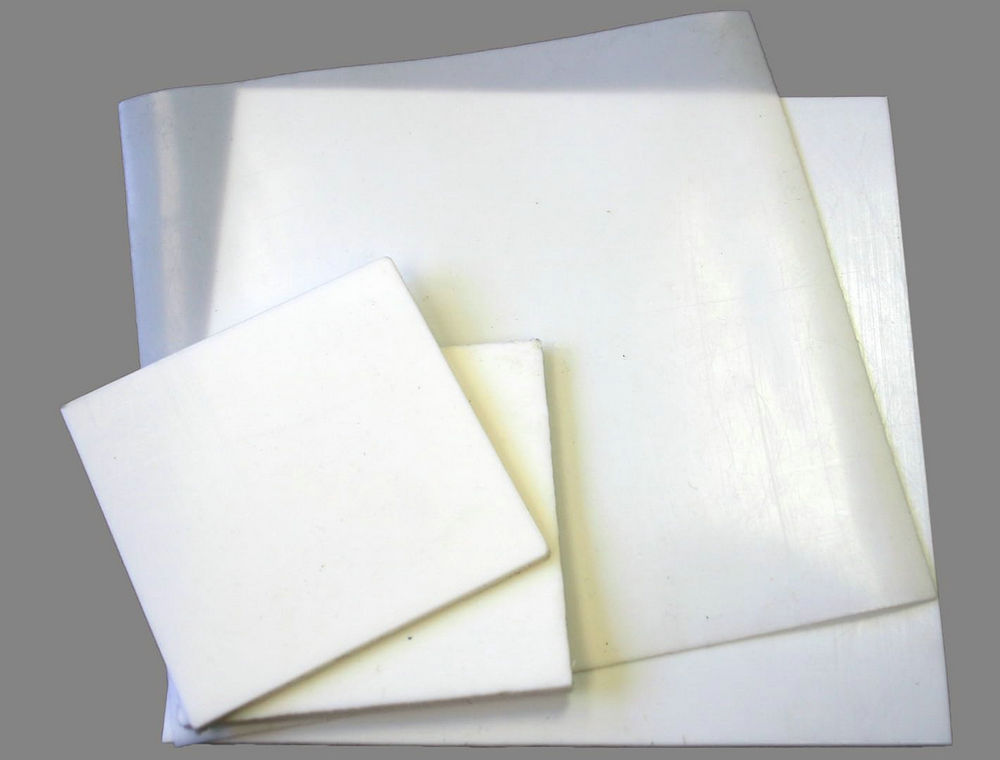
PTFE (Polytetrafluoroethylene) sheets, commonly known as Teflon® sheets (a DuPont trademark), are flat, thin, and high-performance plastic sheets made from a synthetic fluoropolymer. PTFE is renowned for its exceptional chemical resistance, non-stick properties, low friction properties, and ability to withstand extreme temperatures. These sheets are manufactured through compression molding or extrusion processes and are widely used in industrial, chemical, electrical insulation, and food processing applications where inertness and durability are critical.
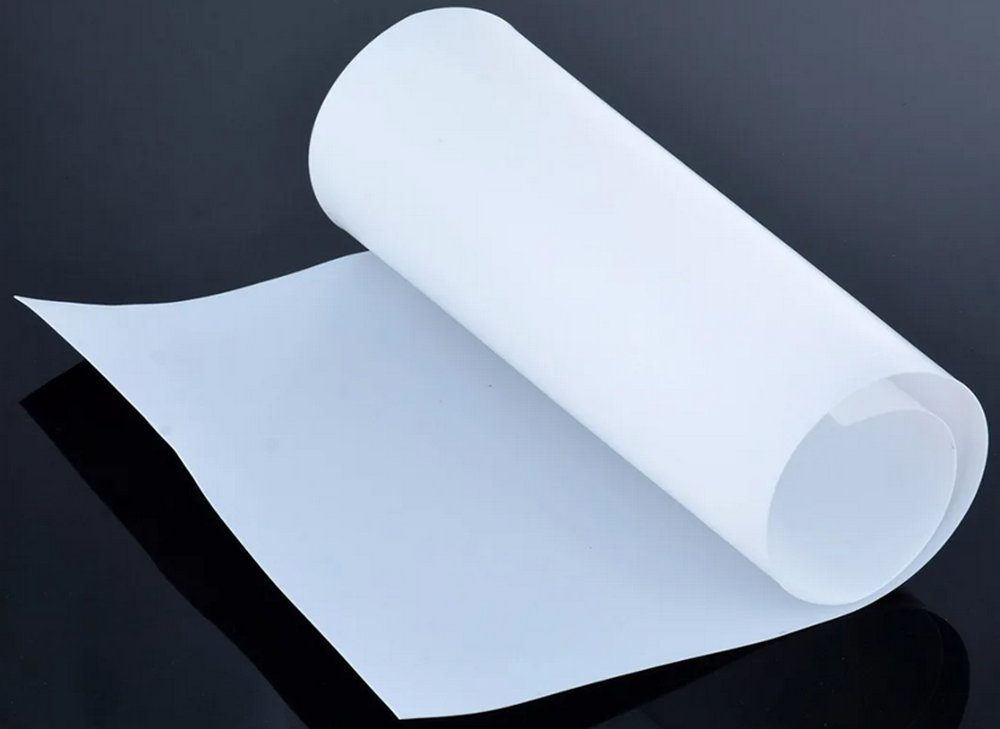
Key Features:
Chemical Inertness: Resists almost all chemicals, including acids, bases, solvents,and virtually every reactive chemical..
Non-Stick Surface: Inherently slippery, making it perfect for applications where release or low adhesion is crucial.
High/Low Temperature Resistance: Operates from -200°C to +260°C continuously.
Electrical Insulation: Excellent dielectric properties, even at high frequencies.
Low Friction Coefficient: Minimizes wear and energy loss in moving parts.
Non-Adhesive Properties: Resistant to fouling, making it ideal for surfaces that require easy cleaning.
UV & Weather Resistance: Stable under prolonged sunlight or outdoor exposure.
FDA Compliance: Safe for food contact in specific grades.
Non-Flammable: Self-extinguishing and meets UL94 V-0 standards.
Technical Parameters:
Parameter | Typical Value/Range | Notes |
Material | PTFE (Polytetrafluoroethylene) | Virgin or modified with fillers |
Density | ~2.2 g/cm³ | May vary slightly with fillers or additives |
Tensile Strength | 20 – 35 MPa | Dependent on sheet formulation |
Elongation at Break | 200 – 500% | High flexibility compared to many other polymers |
Hardness | ~50-60 Shore D | Soft and workable, which may be adjusted with fillers |
| Parameter | Typical Value/Range | Notes |
| adjusted with fillers | ||
| Melting Point | ~327°C | High melting temperature ensures thermal stability |
| Operating Temperature | -200°C to +260°C | Continuous service range varies by formulation and thickness |
| Coefficient of Friction | 0.05 – 0.10 | One of the lowest among engineering plastics |
| Dielectric Strength | ~20-60 kV/mm | Excellent insulating properties |
Thermal Conductivity | ~0.25 W/m·K | Low, making PTFE a good thermal insulator |
| Water Absorption | <0.01% |
Product Advantages:
Unmatched Chemical Resistance: Suitable for even the most aggressive chemicals.
Superior Thermal Performance: Handles extreme temperatures without degrading.
Exceptional Non-Stick Properties: Ideal for applications that require minimal friction or easy release.
Excellent Electrical Insulation: Frequently used in high-voltage and sensitive electronic components.
Versatile Fabrication: Can be cut, machined, or formed into various shapes and sizes.
Low Maintenance: Its inherent properties reduce the need for frequent cleaning or replacement.
Biocompatibility: Safe for use in medical and food-processing environments when manufactured to proper standards.
Applications:
Chemical Processing: Liners, seals, gaskets, and valve components that must resist corrosive substances.
Electrical & Electronics: Insulating components, cable jacketing, and circuit board substrates.
Food Processing: Non-stick surfaces, cutting boards, baking sheets, mold releases, and conveyors due to its non-reactivity and ease of cleaning.
Aerospace & Automotive: Bearings, bushings, Heat shields and cryogenic seals, Fuel hose linings, O-rings, and sliding surfaces where low friction is essential.
Medical Devices: Components in lab equipment, surgical instruments, and pharmaceutical manufacturing.
Industrial Equipment: Seals, bearings, and wear strips in machinery requiring chemical and thermal resilience.
Cookware & Bakeware: Coatings and sheets that provide non-stick surfaces for cooking applications.
Types:
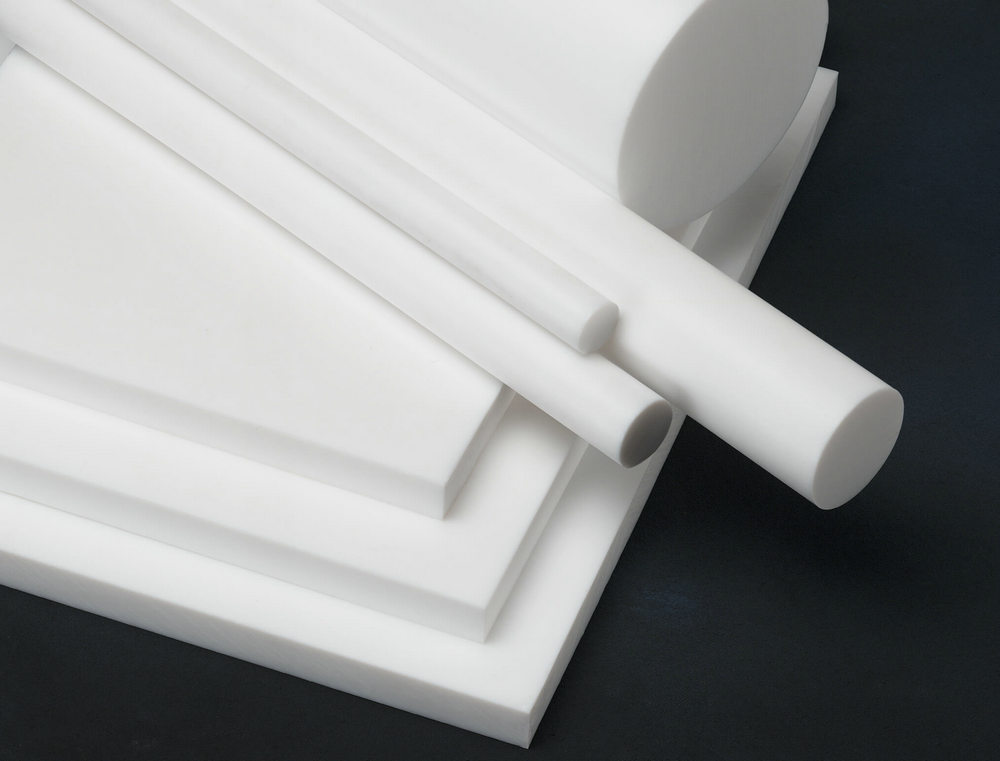
Virgin PTFE Sheets: Pure PTFE with all the inherent properties; ideal for applications requiring maximum chemical inertness.
-Filled PTFE Sheets:
Glass-Filled: Enhanced dimensional stability, improved wear resistance, and higher stiffness.
Carbon-Filled: Lower friction and improved resistance to creep under load.
-Expanded PTFE (ePTFE) Sheets: Porous, flexible, and often used in filtration, breathable membranes, and medical applications.
Skived PTFE: Thin sheets (0.1–3 mm) produced by precision slicing for electronics.
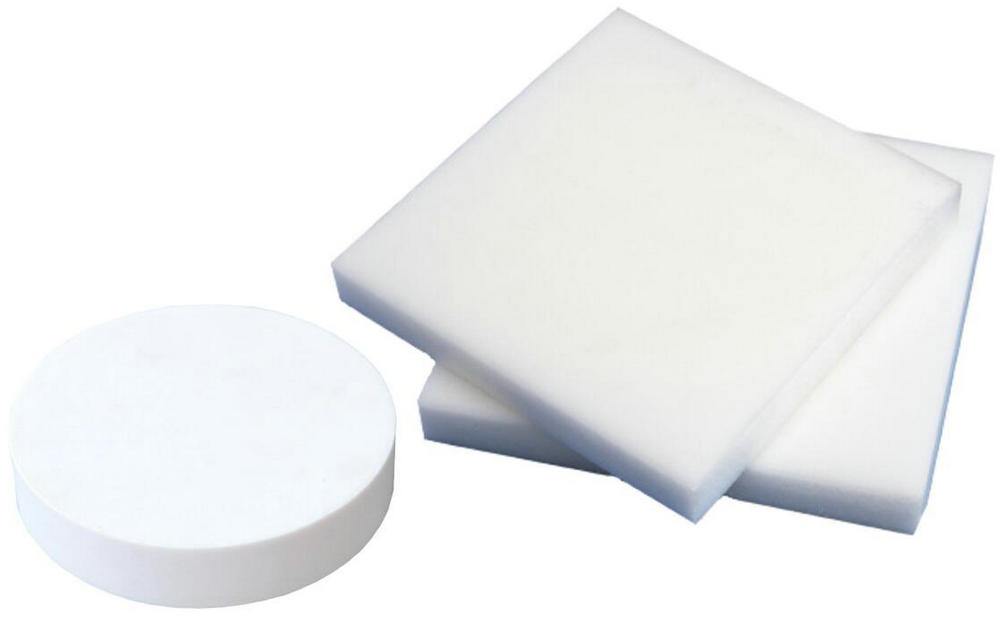
Compressed PTFE: Thicker sheets (3–50 mm) molded under high pressure.
Medical or Food Grade PTFE: Manufactured under strict quality standards for safe use in food processing or medical devices.
Custom Formulations: Tailored grades that combine specific fillers or treatments to meet unique performance criteria.
Storage:
-Storage Conditions:
oEnvironment: Store in a cool, dry area away from direct sunlight and extreme temperatures. Avoid exceeding 40°C to prevent deformation.
oPackaging: Keep in clean, dust-free packaging; avoid stacking heavy items on top to prevent deformation.
-Handling Recommendations:
oClean Handling: Use gloves to prevent contamination, particularly for food-grade or medical applications.
oAvoid Scratches: Although PTFE is resilient, scratches can affect surface performance; handle sheets with care during cutting or processing.
-Shelf Life:
oPTFE sheets have an excellent shelf life if stored properly. Under ideal conditions, they can be stored for many years without significant degradation.
FAQ
Q1: What is PTFE, and why is it called Teflon?
A: PTFE stands for Polytetrafluoroethylene, a synthetic fluoropolymer. Teflon is a trademarked name for PTFE products known for their non-stick and chemical-resistant properties.
Q2: What are the typical applications of PTFE sheets?
A: They are widely used in chemical processing, electrical insulation, food processing, aerospace, automotive components, and medical devices due to their excellent resistance to chemicals, extreme temperatures, and low friction characteristics.
Q3: Can PTFE sheets be machined or formed?
A: Yes, PTFE sheets can be easily cut, drilled, or machined. However, due to their softness and tendency to creep under load, specialized tooling and techniques may be required for precision work.
Q4: How do filled PTFE sheets differ from virgin PTFE sheets?
A: Filled PTFE sheets incorporate additives such as glass or carbon fibers to improve properties like stiffness, wear resistance, and lower friction, while virgin PTFE sheets provide maximum chemical inertness and purity.
Q5: What temperature range can PTFE sheets withstand?
A: PTFE sheets typically perform well in a wide range from as low as -200°C up to +260°C, depending on the formulation and specific grade.
Q6: How should PTFE sheets be stored to maintain their quality?
A: They should be stored in a cool, dry, and clean environment, away from direct sunlight and heavy loads. Proper packaging will help avoid scratches and contamination.
Q7: How do I choose the right PTFE sheet for my application?
A: Consider the chemical, thermal, and mechanical demands of your application. Factors like whether you need a filled or virgin grade, specific thickness, and any regulatory certifications (e.g., FDA) should guide your selection.
Q8: What are the alternatives to PTFE?
A: PEEK (higher strength, higher cost), UHMWPE (lower temperature resistance).
- PRE: No more
- NEXT: 50300 PTFE Rods-Wholesale Nylon Plastic Sheet