






Details
PC SHEETS
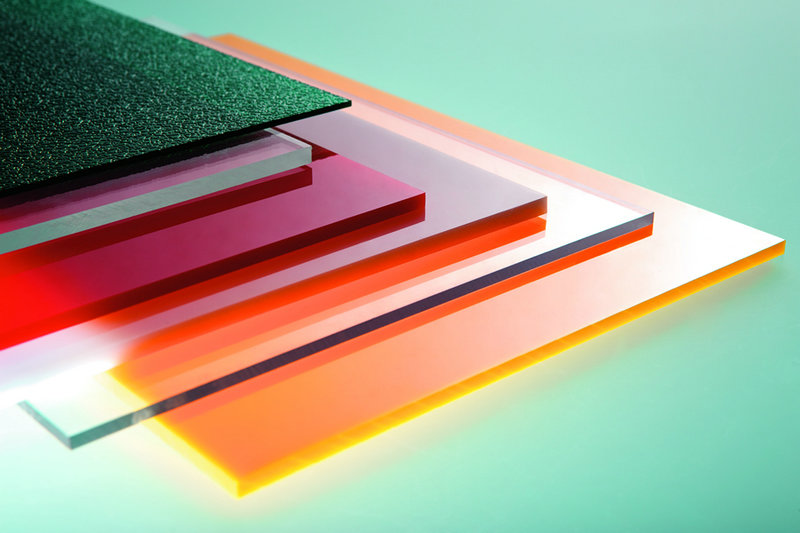
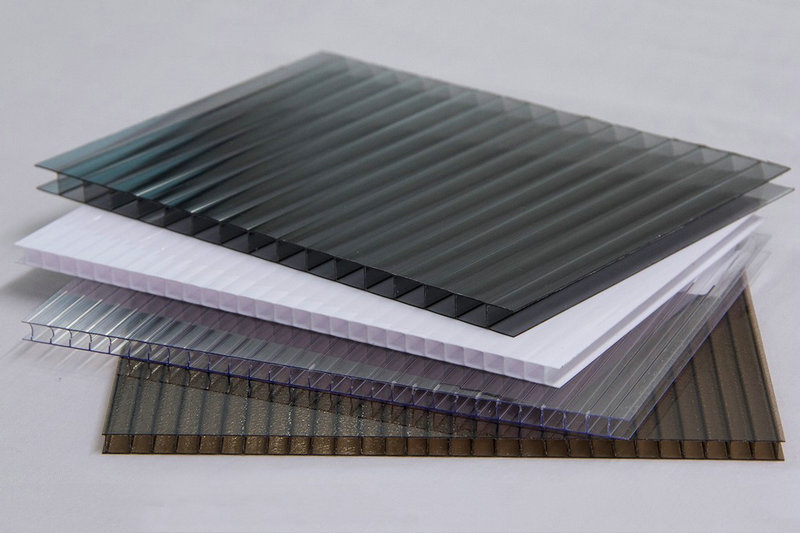
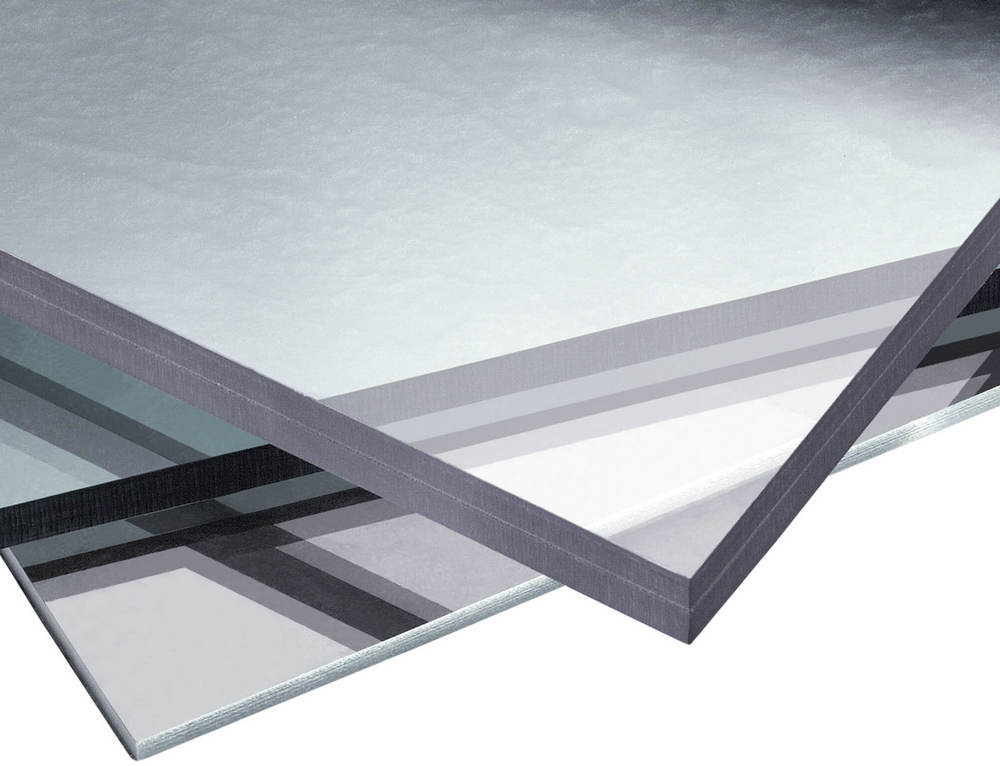
PC Sheets, also called Polycarbonate sheets, are transparent or opaque thermoplastic sheets made from polycarbonate resin, a high-performance polymer synthesized from bisphenol A (BPA) and phosgene. Renowned for their exceptional impact resistance (250 times stronger than glass), optical clarity, and thermal stability, PC sheets are used in industries requiring lightweight, durable, and safety-critical materials. They are manufactured via extrusion or injection molding and are available in various forms, including solid, multiwall, corrugated, and textured sheets.
Key Features:
High Impact Strength – 250 times stronger than glass and 30 times stronger than acrylic.
Excellent Transparency – Up to 90% light transmission, similar to glass.
UV Resistance – Protects against yellowing and degradation from sunlight.
Weather & Chemical Resistance – Suitable for extreme temperatures and exposure to chemicals.
Flame Retardant – High ignition resistance, rated UL94 V-0.
Thermal Insulation – Good heat insulation properties, reducing energy costs.
Lightweight – Half the weight of glass, making it easier to handle and install.
Ease of Fabrication – Can be cut, bent, drilled, and thermoformed.
Noise Reduction – Used in sound barriers for highways and industrial settings.
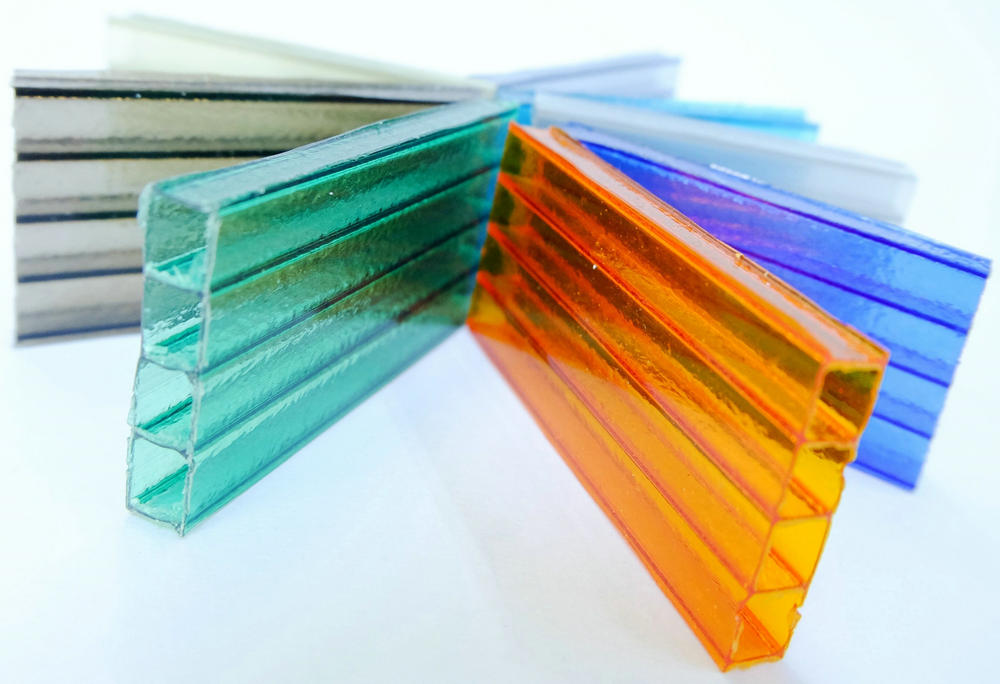
Types:
PC sheets come in various forms, each designed for different applications:
Type | Properties | Applications |
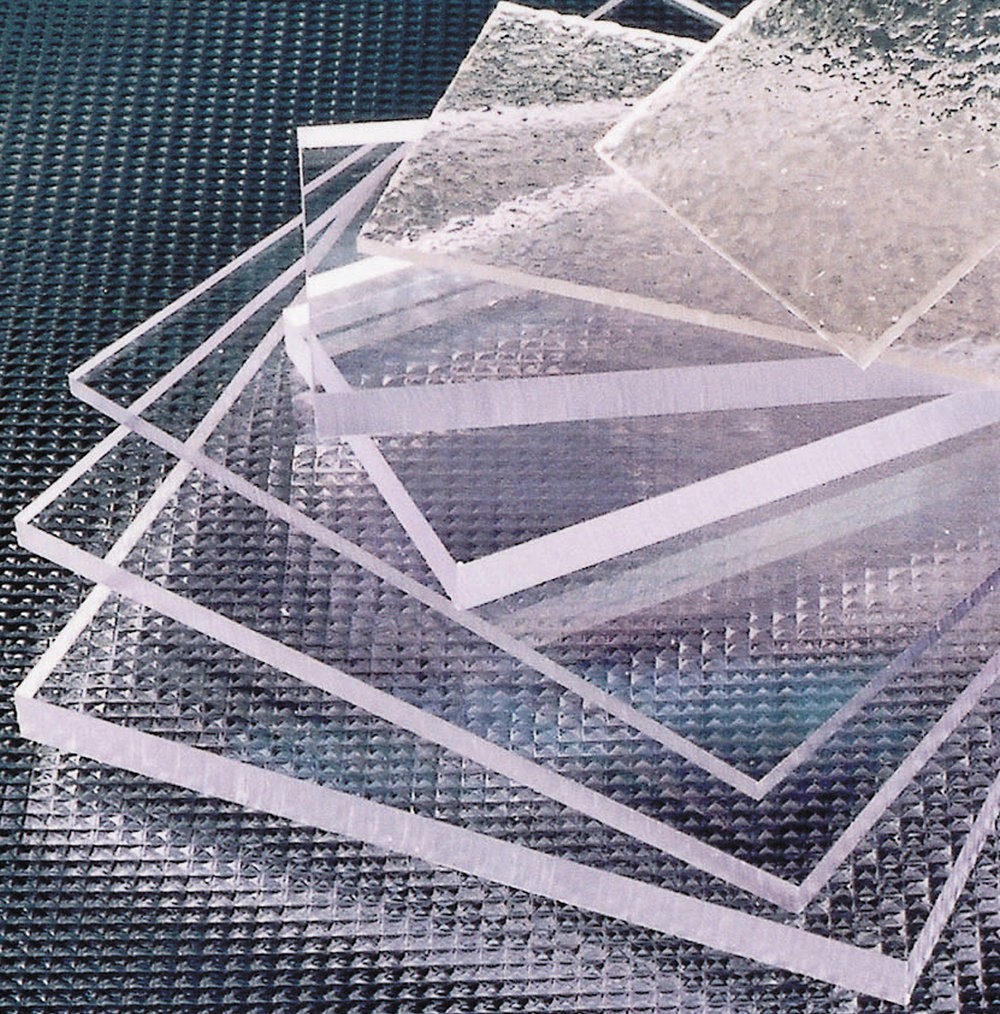
Solid PC Sheets | Smooth, transparent/opaque, high impact resistance. | Safety glazing, machine guards, riot shields. |
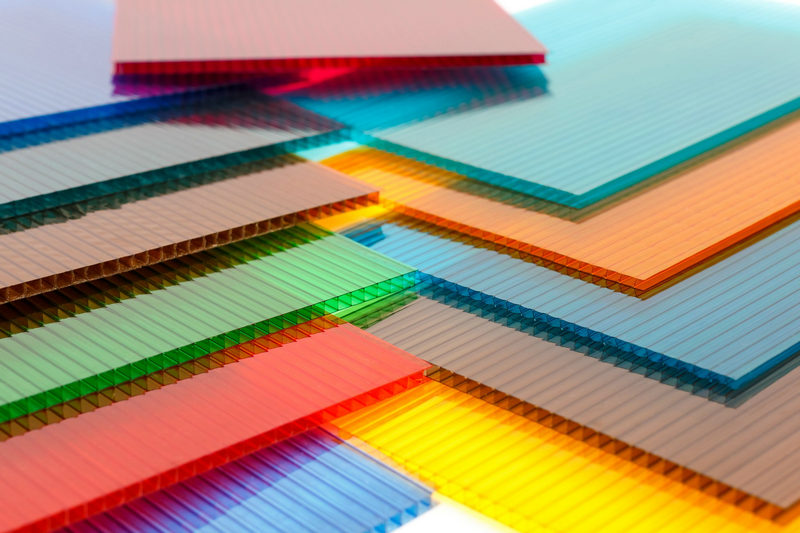
Multiwall PC Sheets | Hollow, multi-chamber design; excellent insulation and light diffusion. | Greenhouses, skylights, sound barriers. |
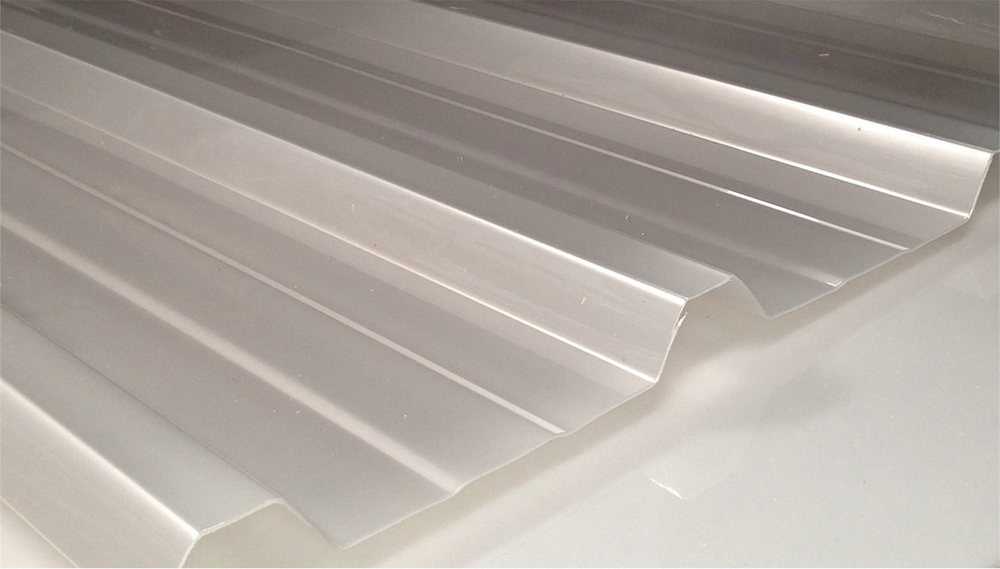
Corrugated PC Sheets | Wavy profile for rigidity; UV-resistant and lightweight. | Roofing, agricultural covers, signage. |
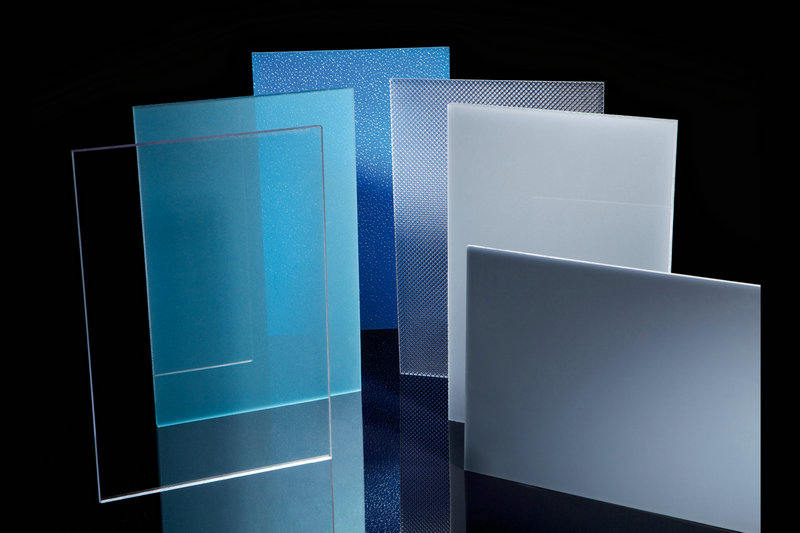
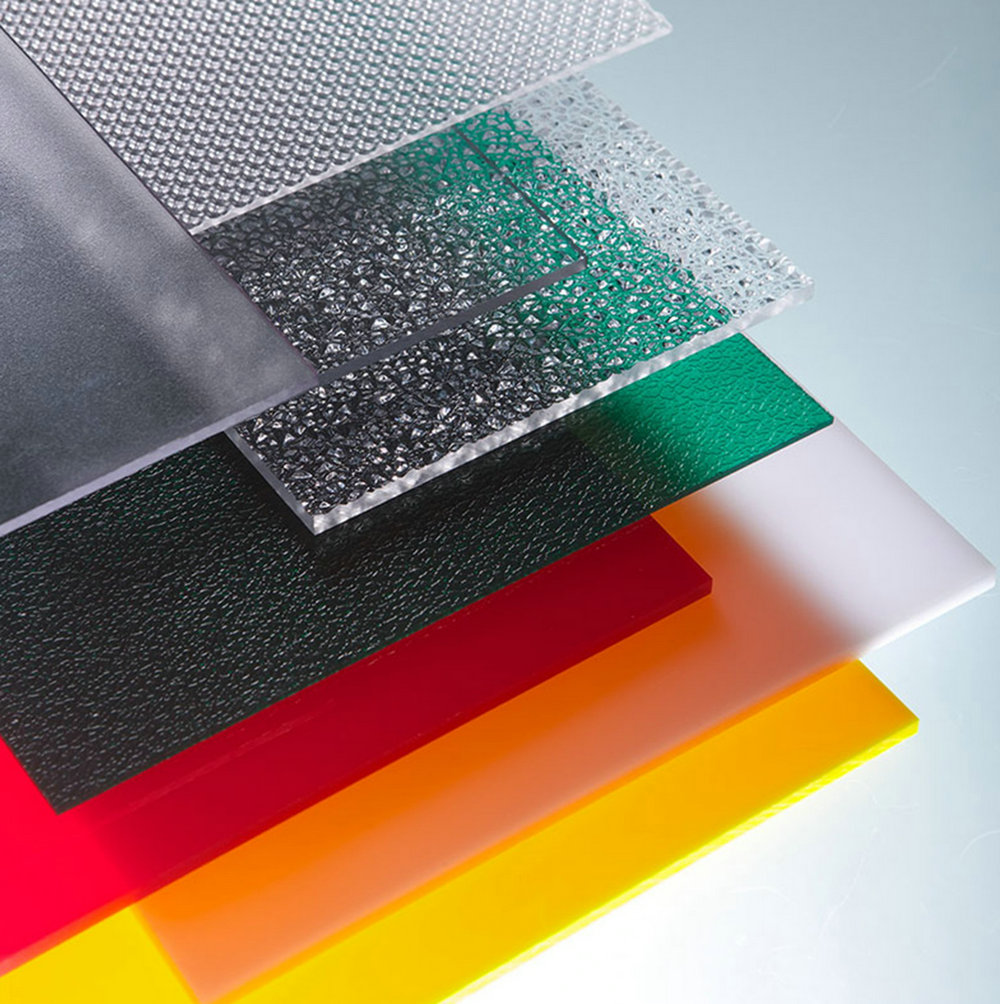
Textured PC Sheets | Frosted or patterned surfaces for diffused light and privacy. | Partitions, decorative panels, lighting covers. |
UV-Coated PC Sheets | Dual-side UV protection for outdoor use (10–15-year warranty against yellowing). | Canopies, automotive glazing, solar panels. |
Anti-Static PC Sheets | Surface resistivity 10⁶–10⁹ Ω/sq; prevents dust attraction. | Electronics manufacturing, cleanroom equipment. |
Fire-Rated PC Sheets | UL 94 V-0 compliant; low smoke emission. | Public transport, aerospace, building interiors. |
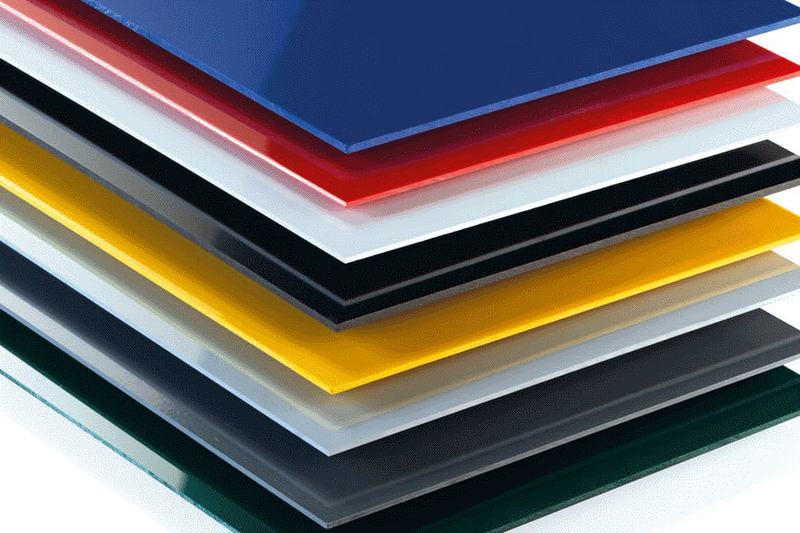
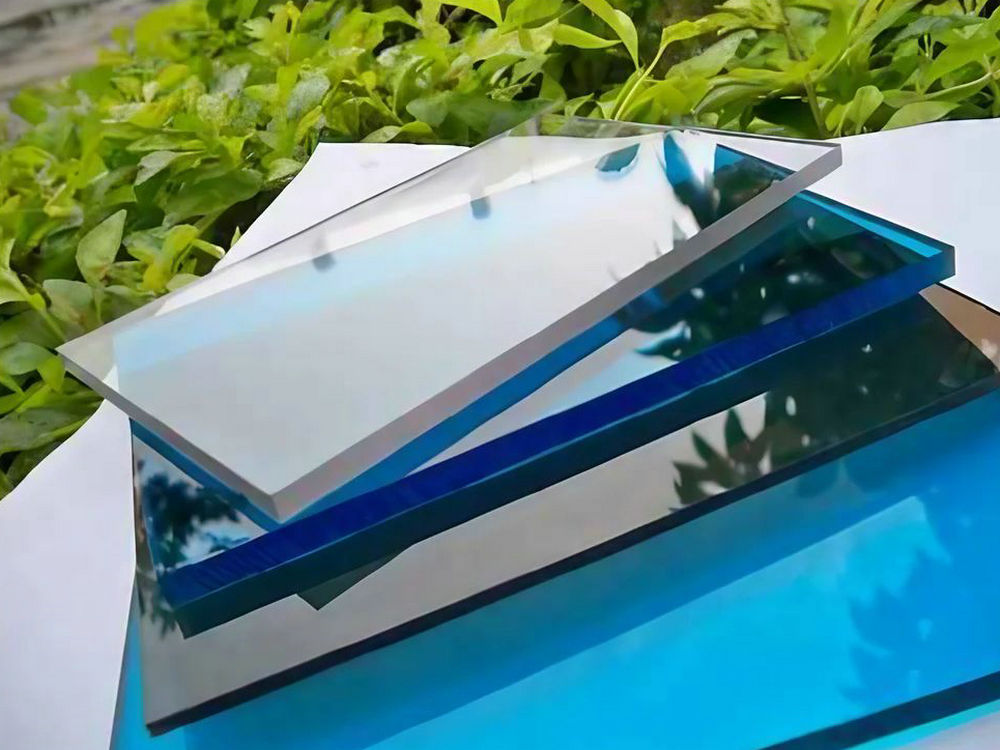
Colored PC Sheets | Pre-dyed (e.g., bronze, opal, translucent) for aesthetics or light filtration. | Architectural cladding, artistic installations. |
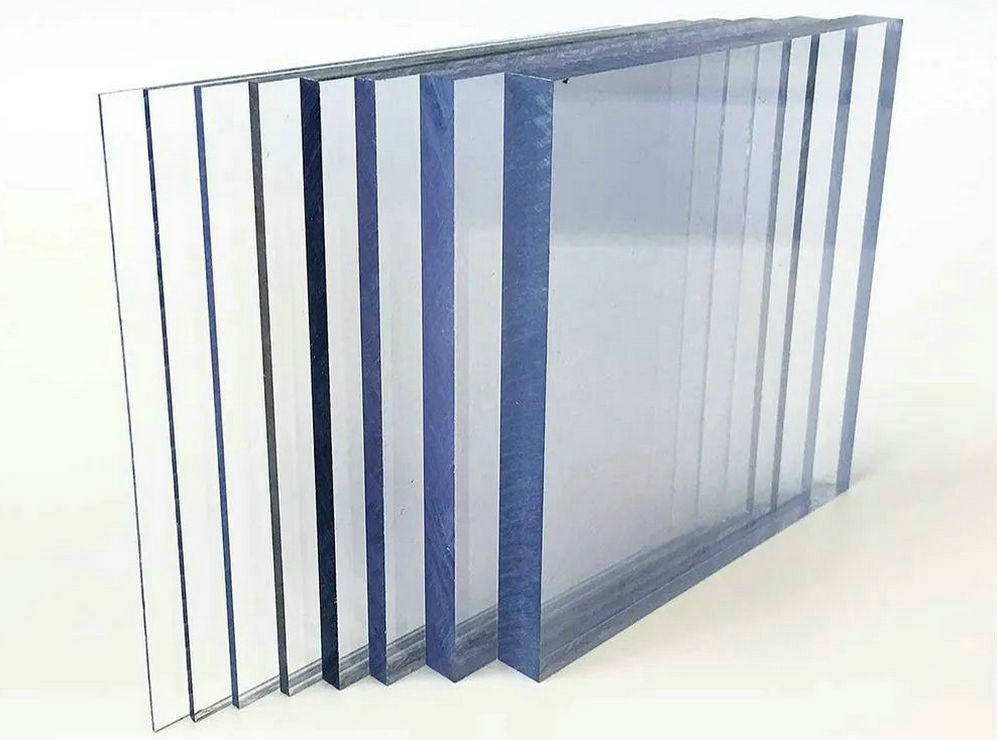
Technical Parameters:
The following table provides general technical specifications for PC sheets:
Property | Typical Value |
Density | 1.2 g/cm³ |
Light Transmission | 80 – 90% |
Impact Strength | 250 times stronger than glass |
Tensile Strength | 60 – 70 MPa |
Flexural Strength | 90 – 100 MPa |
Hardness (Rockwell) | R118 |
Service Temperature | -40°C to 120°C |
Thermal Conductivity | 0.19 W/m·K |
Flammability Rating | UL 94 V-0 (Self-Extinguishing) |
UV Resistance | Yes (with coating) |
Product Benefits:
Superior Impact Resistance
-Much stronger than glass and acrylic, making it ideal for high-impact environments.
High Transparency
-Offers glass-like clarity while being significantly more durable.
Lightweight
-Reduces structural load, making it easier to transport and install.
Weather & UV Resistant
-UV-coated versions prevent yellowing and degradation from sun exposure.
Energy Efficient
-Excellent thermal insulation helps reduce heating and cooling costs.
Versatile Processing
-Can be easily cut, drilled, bent, thermoformed, and bonded for custom applications.
Noise Reduction
-Used in soundproof barriers for highways and industrial zones.
Fire Retardant & Safe
-Self-extinguishing with a high ignition temperature.
Applications:
PC sheets are used in a wide range of industries, including:
Construction & Architecture
-Skylights, roofing, greenhouses, cladding, and windows.
-Partitions, interior decorations, and balcony enclosures.
Industrial & Manufacturing
-Machine guards, enclosures, safety shields, and noise barriers.
Automotive & Transportation
-Headlamp covers, windshields, sunroofs, and train/bus windows.
Electronics & Clean Rooms
-Anti-static panels, protective covers, and display panels.
Advertising & Signage
-Lightboxes, billboards, and illuminated displays.
Security & Defense
-Bulletproof windows, riot shields, and bank security barriers.
Greenhouses & Agriculture
Multiwall PC sheets used for greenhouse roofing due to excellent light diffusion.
Storage & Handling:
Temperature: Store at 10–30°C; avoid prolonged exposure to >70°C.
UV Protection: Keep UV-coated sheets in original packaging until use; avoid direct sunlight.
Humidity: Store in dry conditions (<60% RH) to prevent moisture absorption.
Handling: Use edge protectors to avoid scratches; stack flat on padded surfaces.
Cutting: Remove protective film only after installation to prevent surface damage.
FAQ
Q1: How do PC sheets compare to glass?
A: PC sheets are 250 times stronger than glass, significantly lighter, and shatter-resistant, making them a safer alternative.
Q2: Can PC sheets be cut and drilled?
A: Yes, they can be easily cut with saws and drilled without cracking.
Q3: Are PC sheets heat resistant?
A: Yes, they can withstand temperatures from -40°C to 120°C without deformation.
Q4: Are PC sheets recyclable?
A: Yes, polycarbonate is 100% recyclable and widely reused in manufacturing.
Q5: Can PC sheets be bent or shaped?
A: Yes, they can be cold-bent or thermoformed for custom applications.
Q6: Does PC sheet yellow over time?
A: Uncoated PC yellows under UV exposure. UV-coated sheets (e.g., Makrolon® UV) resist yellowing for 10+ years.
Q7: What solvents damage PC?
A: Avoid acetone, ketones, and aromatic hydrocarbons (e.g., benzene). Use isopropyl alcohol for cleaning.
Q8: How do PC sheets compare to acrylic in outdoor use?
A: PC outperforms acrylic in impact resistance and UV stability but is more expensive.
Q9: What are the advantages of PC Sheets over competing material, such as Glass, Acrylic, PET, PE, and PVC?
A:
vs. Glass: Shatterproof, lightweight, and easier to install.
vs. Acrylic (PMMA): Higher impact resistance and thermal stability.
vs. PET: Superior UV resistance and durability.
vs. PVC: Better optical clarity and environmental resistance.
vs. Polyethylene (PE): Higher rigidity and dimensional stability.
- PRE: No more
- NEXT: No more