






Details
PTFE (TEFLON) TUBES
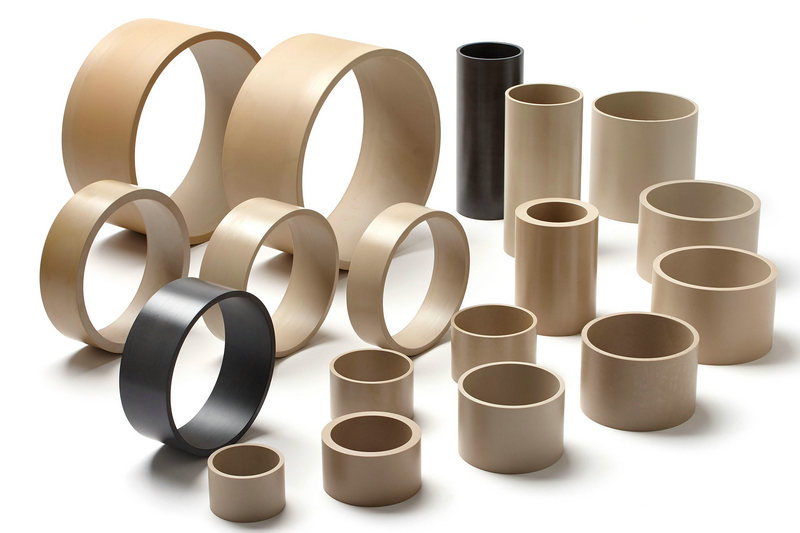
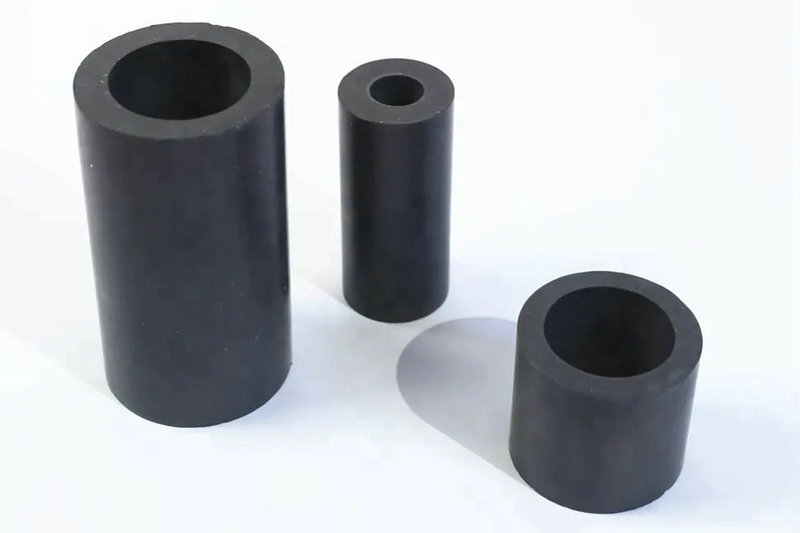
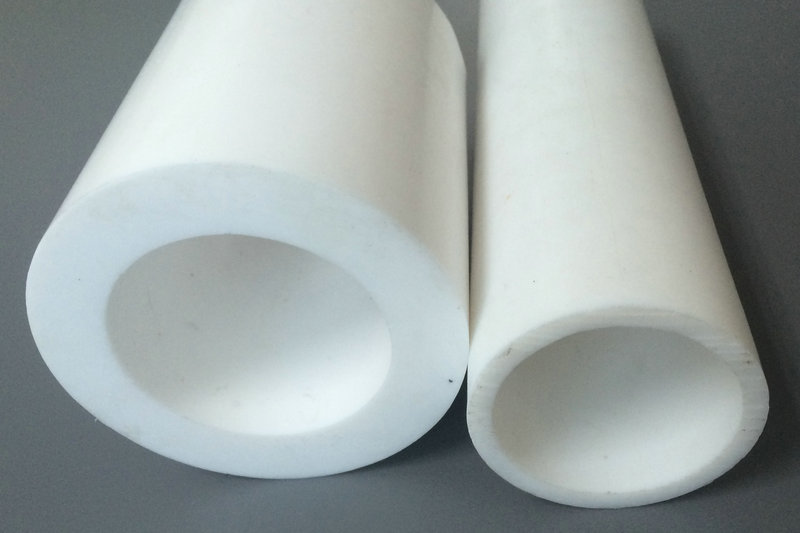
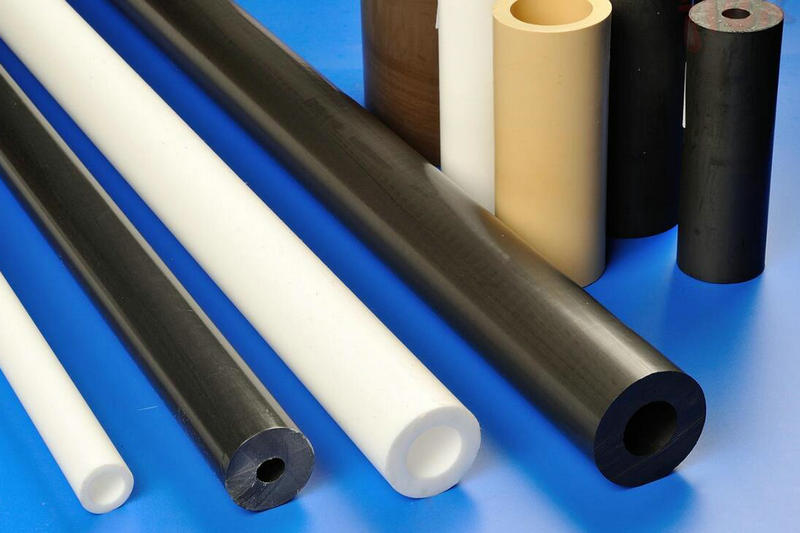
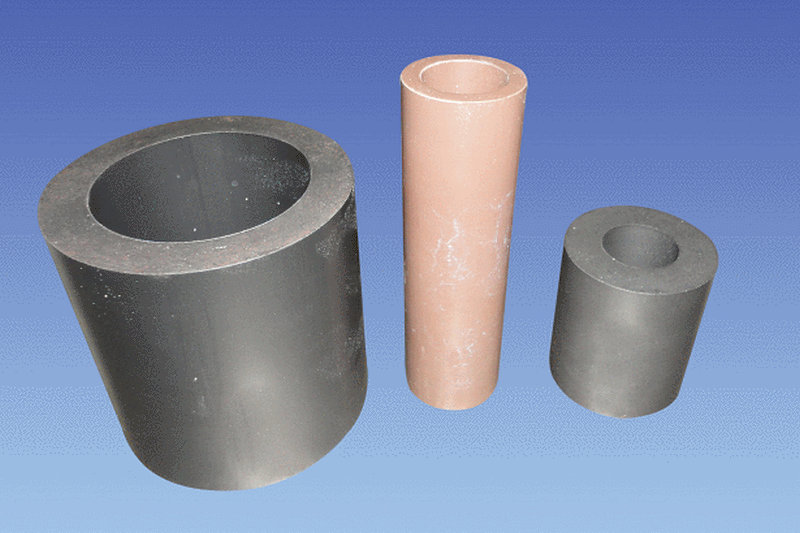
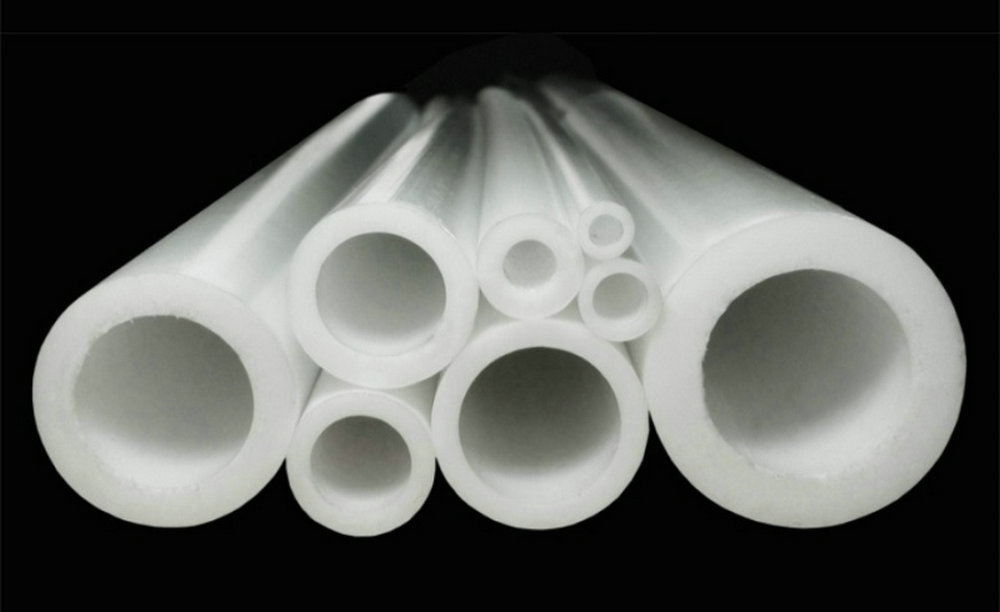
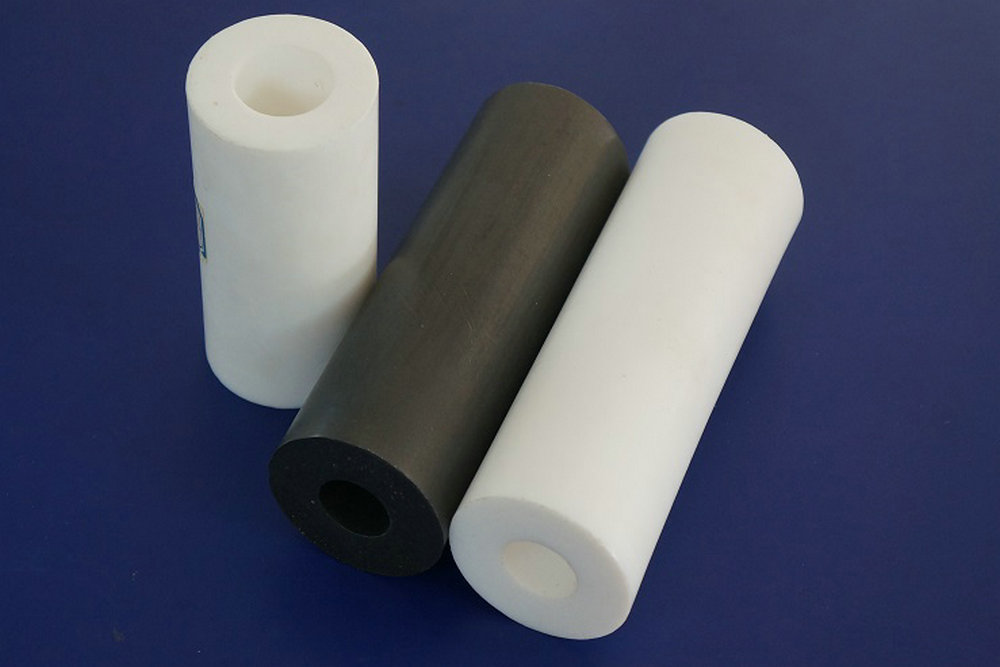
PTFE Tubes are hollow cylindrical profiles manufactured from Polytetrafluoroethylene (PTFE), a synthetic fluoropolymer best known by the trademark Teflon. These tubes are prized for their exceptional chemical inertness, ultra-low friction properties, and wide operating temperature range. Their unique combination of non-stick behavior, electrical insulation, and resistance to harsh chemicals makes them an ideal choice in various industrial, medical, and food processing applications. They are manufactured via extrusion or paste extrusion processes and are available in standard or custom sizes to meet diverse industrial needs.
What Sets PTFE Tubes Apart:
-Chemical Inertness: Unaffected by most acids, bases, and solvents.
-Thermal Stability: Maintains its properties from cryogenic conditions up to high temperatures.
-Non-Stick & Low Friction: Provides smooth movement and minimizes wear.
-Electrical Insulation: Excellent dielectric properties make it valuable in electronic applications.
Key Features:
-Hollow Design:
Offers versatility in applications such as fluid conveyance, cable protection, and as a liner in composite assemblies.
-Exceptional Chemical Resistance:
PTFE resists virtually all chemicals, including acids, bases, oxidizers, and solvents, ensuring longevity in corrosive environments.
-Ultra-Low Friction Surface:
Low coefficient of friction (0.05–0.10) minimizes resistance and wear in dynamic systems, often eliminating the need for additional lubrication.
-Wide Temperature Range:
Capable of operating in extremely low (down to –200°C) and high (up to +260°C) temperature environments.
-Excellent Electrical Insulation:
Ideal for use in high-voltage components due to its high dielectric strength.
-Non-Adhesive Surface:
The low surface energy prevents buildup of contaminants and makes cleaning easier.
-Self-Lubricating:
The inherent low friction reduces energy loss and maintenance requirements.
-Flexibility & Durability: Maintains integrity under repeated bending and mechanical stress.
-Non-Flammable: Meets UL94 V-0 flammability standards.
Technical Parameters:
Parameter | Typical Value/Range | Notes |
Material | PTFE (Polytetrafluoroethylene) | Virgin or modified with fillers |
Density | ~2.2 g/cm³ | May vary slightly with fillers or additives |
Tensile Strength | 20 – 35 MPa | Dependent on sheet formulation |
Elongation at Break | 200 – 500% | High flexibility compared to many other polymers |
Hardness | ~50-60 Shore D | Soft and workable, which may be adjusted with fillers |
Melting Point | ~327°C | High melting temperature ensures thermal stability |
Operating Temperature | -200°C to +260°C | Continuous service range varies by formulation and thickness |
Coefficient of Friction | 0.05 – 0.10 | One of the lowest among engineering plastics |
Dielectric Strength | ~20-60 kV/mm | Excellent insulating properties |
Thermal Conductivity | ~0.25 W/m·K | Low, making PTFE a good thermal insulator |
Water Absorption | <0.01% |
Note: Actual values can vary based on the specific grade, processing method, and any fillers used (e.g., glass or carbon).
Product Advantages:
-Superior Chemical Inertness:
PTFE tubes withstand aggressive chemicals without degradation, making them reliable in corrosive environments.
-Low Friction & Wear:
The inherent non-stick quality ensures minimal friction, which reduces wear and extends service life.
-Exceptional Thermal Performance:
Operates effectively across an extremely broad temperature range, ensuring consistent performance in demanding conditions.
-Excellent Electrical Insulation:
Their high dielectric strength and non-conductivity make them suitable for high-voltage and sensitive electronic applications.
-Minimal Maintenance:
With self-lubricating properties and resistance to fouling, PTFE tubes require less maintenance and cleaning.
-Versatile and Customizable:
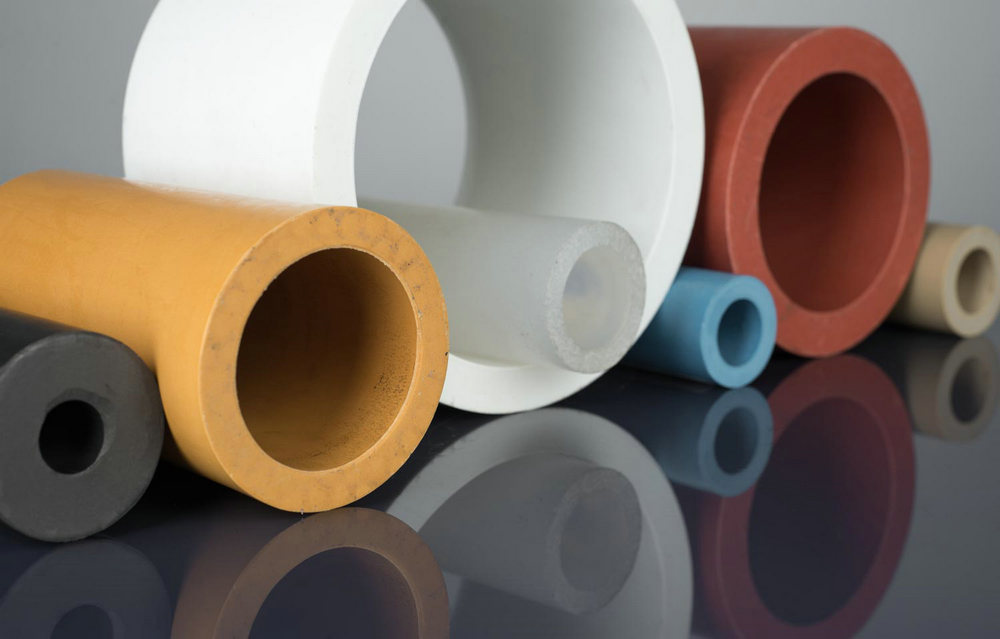
Available in different diameters, wall thicknesses, and with various fillers (if enhanced mechanical properties are required), making them adaptable to a wide range of applications.
-Hygienic and Biocompatible:
Non-porous surface resists bacterial growth (critical for medical/food industries).
-Lightweight: Easier to install and handle than metal tubing.
-Cost-Effective: Long service life reduces replacement frequency.
Applications:
-Chemical Processing & Piping:
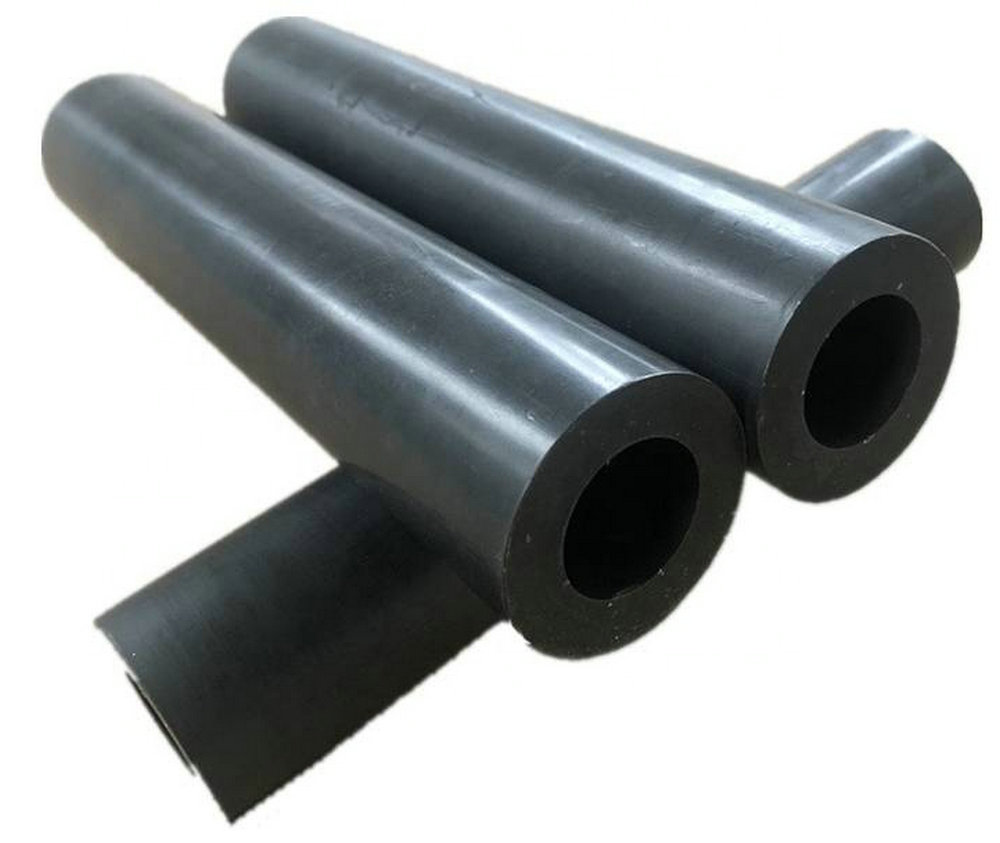
Used as liners, seals, and gaskets in pipes and tanks due to their resistance to corrosive chemicals.
-Electrical & Electronics:
Employed as insulating tubes for wiring, cable jacketing, and other high-voltage applications.
-Medical & Food Processing:
FDA-compliant PTFE tubes are ideal for components in lab equipment, medical devices, such as Catheters, IV tubing, and bio-compatible fluid systems, and food processing machinery, such as Dairy processing, brewery lines, and food-grade lubricant transfer..
-Automotive & Aerospace:
Serve in applications like bearings, bushings, Fuel lines, brake systems, hydraulic hoses, and sliding components where low friction and high temperature resistance are critical.
-Industrial Equipment:
Utilized in pump components, valve seats, and wear strips for machinery exposed to harsh conditions.
-Custom Fabrication:
Frequently machined or adapted for specialized uses in robotics, instrumentation, and other precision engineering sectors.
Types:
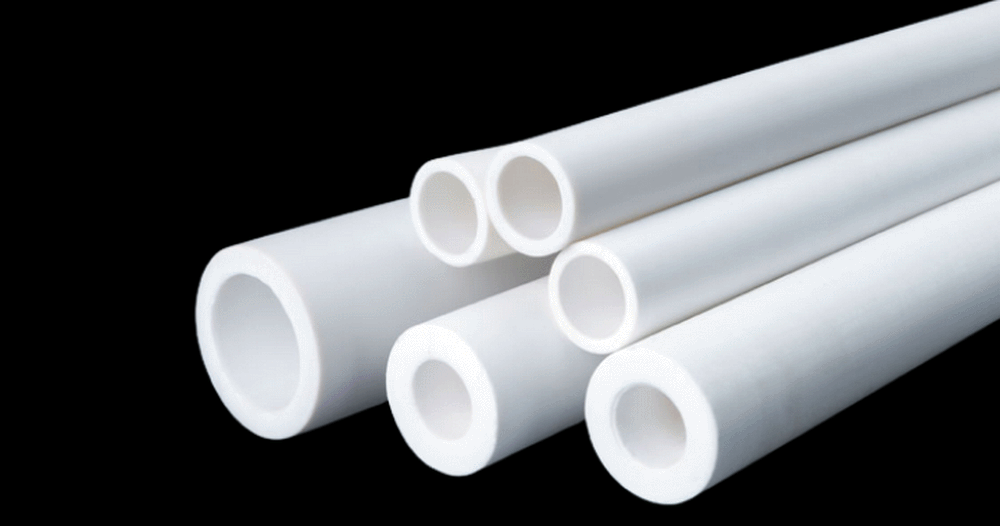
-Virgin PTFE Tubes:
Made from pure PTFE, offering maximum chemical resistance and non-stick properties.
-Filled PTFE Tubes:
Glass-Filled: Improved stiffness and dimensional stability; ideal for high-pressure or structural applications.
Carbon-Filled: Lower friction and enhanced wear resistance; often used in dynamic or high-speed applications.
-Expanded PTFE (ePTFE) Tubes:
Characterized by a porous structure; used in filtration, breathable membranes, and specialized medical applications.
-Custom-Dimensioned Tubes:
Tailored to customer specifications in terms of diameter, wall thickness, and length for niche applications.
-Food/Medical Grade PTFE Tubes:
Manufactured to strict regulatory standards (e.g., FDA) for safe use in sensitive environments.
Storage:
-Storage Conditions:
Environment: Store in a cool, dry, and dust-free area away from direct sunlight and extreme temperatures.
Packaging: Use sealed, protective packaging to prevent contamination, scratches, or physical damage.
-Handling Recommendations:
Clean Handling: Wear gloves to avoid transferring oils or contaminants, especially for food-grade or medical applications.
Avoid Mechanical Damage: Do not stack heavy items on top of PTFE tubes to prevent deformation or surface damage.
-Shelf Life:
When stored properly, PTFE tubes have a very long shelf life and can maintain their properties for many years. Periodic inspection is recommended if they are used in critical applications.
FAQ
Q1: What are the key benefits of using PTFE tubes?
A: Key benefits include exceptional chemical inertness, ultra-low friction, excellent thermal stability, high dielectric strength, and minimal maintenance, making them ideal for harsh environments and high-performance applications.
Q2: In which industries are PTFE tubes most commonly used?
A: They are used across chemical processing, electrical insulation, medical and food processing, automotive, aerospace, and industrial machinery due to their versatile and robust properties.
Q3: Can PTFE tubes be custom-made to specific dimensions?
A: Absolutely. PTFE tubes can be custom-extruded or machined to precise diameters, wall thicknesses, and lengths to meet specialized requirements.
Q4: What maintenance is required for PTFE tubes in service?
A: Due to their self-lubricating and non-stick properties, PTFE tubes generally require minimal maintenance. Regular inspections for wear or damage are recommended in high-friction applications.
Q5: Can PTFE tubes handle high-pressure fluids?
A: Yes, but pressure ratings depend on wall thickness and temperature. Reinforced PTFE tubes (e.g., steel-braided) support up to 150 bar.
Q6: Are PTFE tubes compatible with steam?
A: Yes, for intermittent use up to 260°C. Avoid prolonged exposure above 300°C.
Q7: Are PTFE tubes recyclable?
A: Yes, but recycling requires specialized facilities due to PTFE’s inertness.
Q8: Can PTFE tubes be colored or printed?
A: Yes, custom colors and laser marking are options for branding or identification.
- PRE: 50300 PTFE Rods-Wholesale Nylon Plastic Sheet
- NEXT: No more