






Details
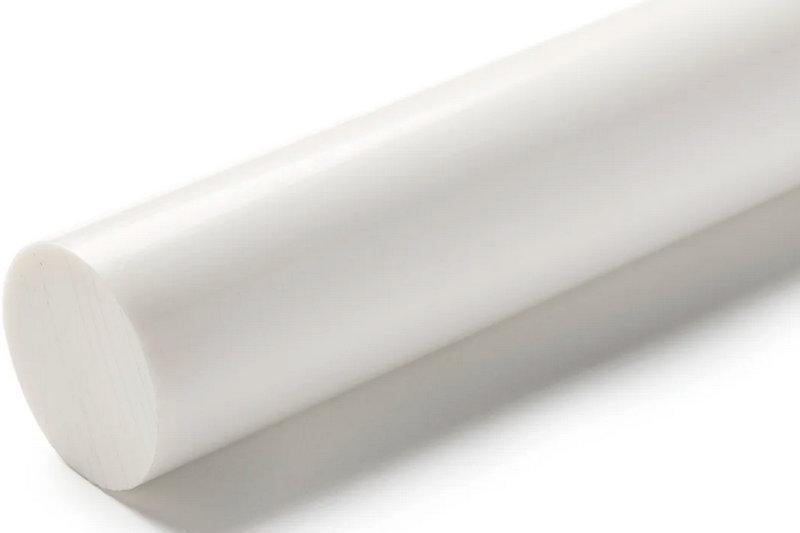
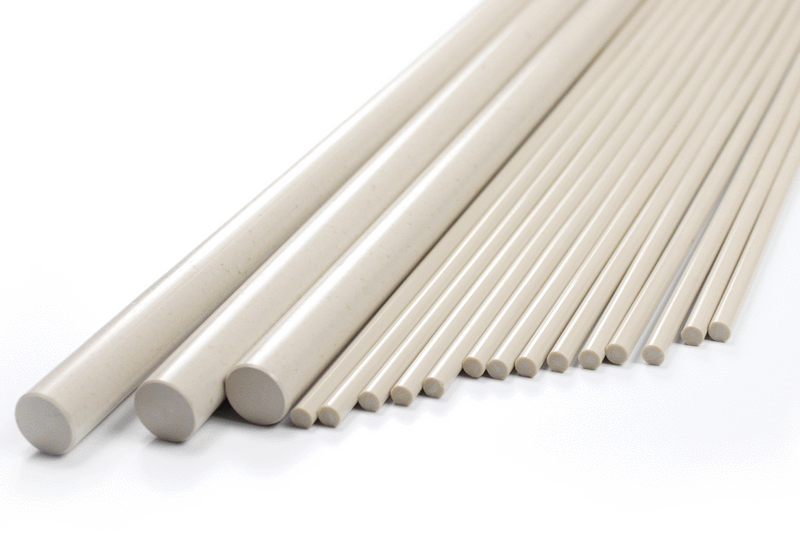
PP RODS
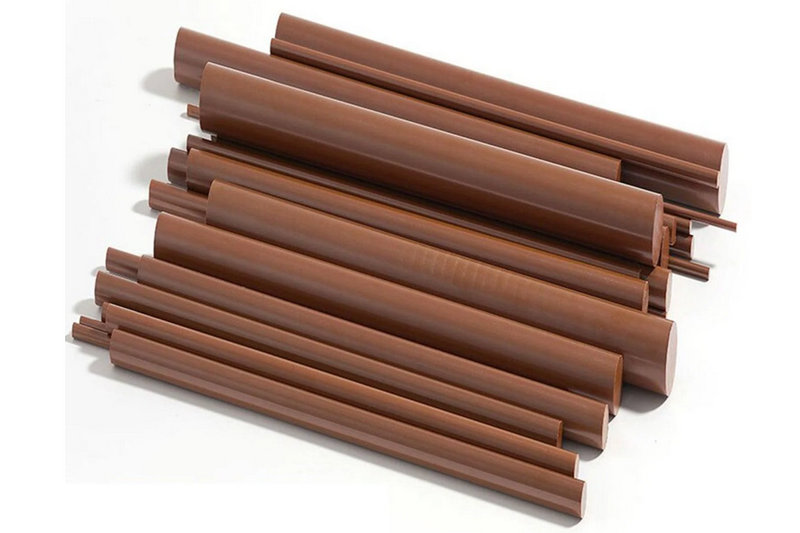
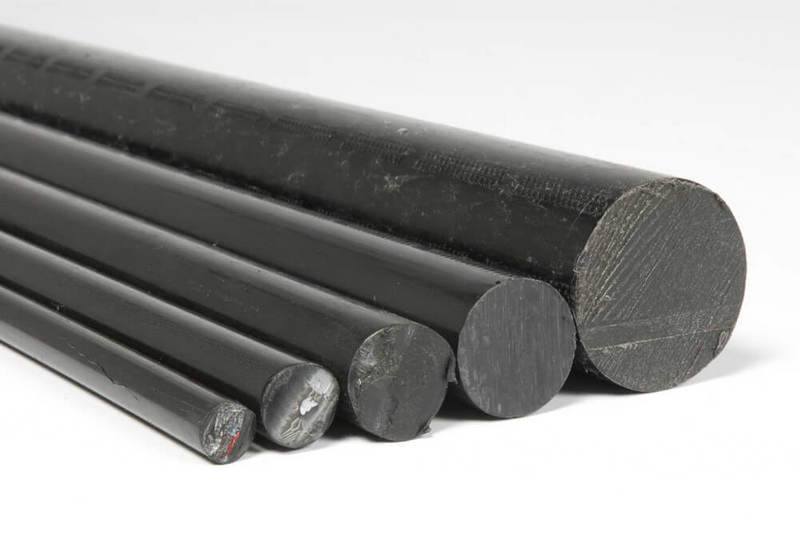
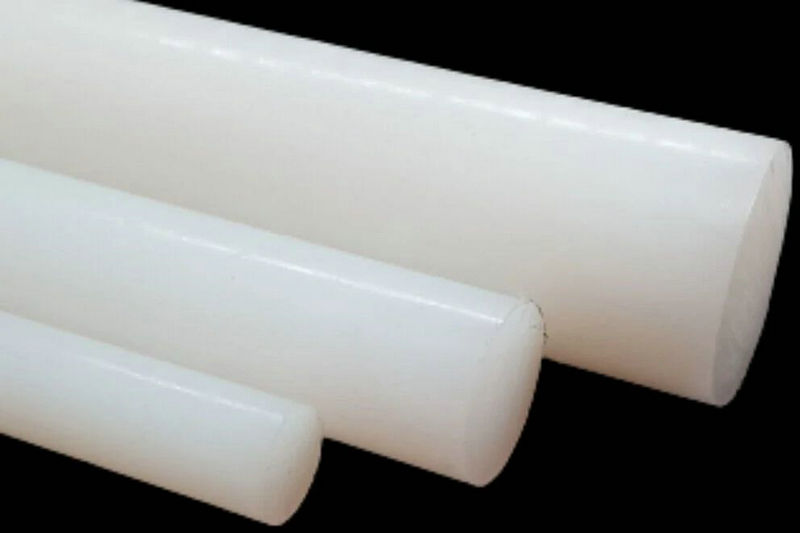
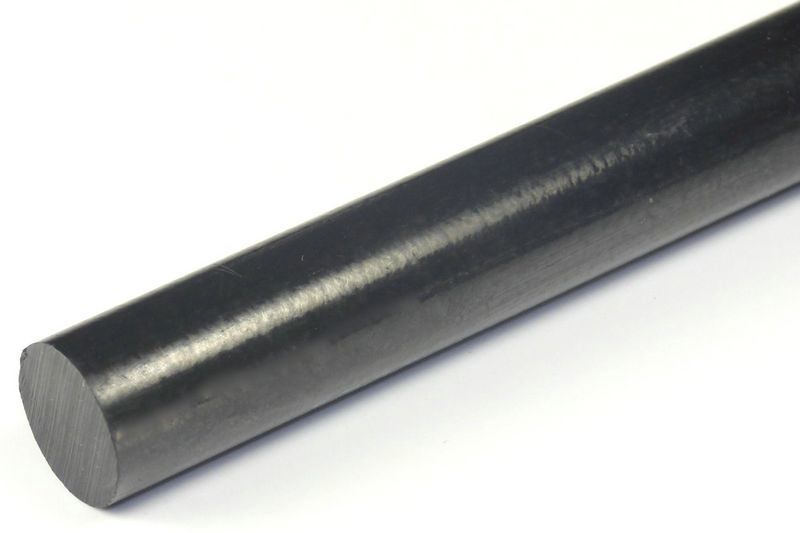
PP Rods are solid, cylindrical extruded or machined profiles made from polypropylene (PP), a semi-crystalline polymer derived from propylene monomers prized for its excellent chemical resistance, low density, and good fatigue performance. These rods are used in applications that require a lightweight, durable, and cost-effective material with good mechanical properties and excellent resistance to moisture and many chemicals. PP rods are manufactured via extrusion or compression molding. Due to their versatility and ease of fabrication, PP rods find application in industries ranging from chemical processing and automotive to consumer products and electrical components.
Key Features:
-Excellent Chemical Resistance:
PP rods resist a wide range of acids, bases, and solvents, making them ideal for aggressive chemical environments.
-Low Density & Lightweight:
With a typical density around 0.90–0.91 g/cm³, PP rods are very lightweight, reducing overall system weight.
-Good Fatigue Resistance:
They exhibit high resistance to repeated flexing, making them suitable for dynamic applications.
-Low Moisture Absorption:
Minimal water uptake ensures dimensional stability and long-term performance in humid environments.
-Good Impact and Abrasion Resistance:
While not as tough as some engineering plastics, PP rods provide sufficient impact strength for many industrial uses.
-High Processability:
Easily extruded, machined, thermoformed, or welded, which allows for custom fabrication.
-Cost-Effective:
Polypropylene is one of the most economical thermoplastics available, making PP rods a budget-friendly option.
-Electrical Insulation:
They offer good dielectric properties and are widely used in electrical and electronic applications.
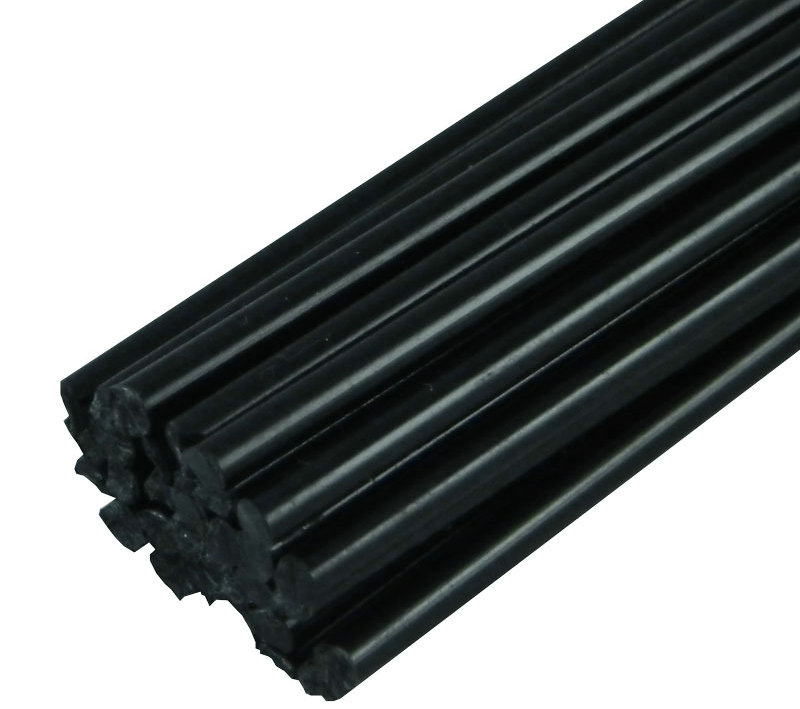
Types:
PP rods are available in various formulations and grades to suit specific applications:
(1) Standard PP Rods
-Description:
General-purpose PP rods for everyday industrial and consumer applications.
-Applications:
Used in prototypes, general machining, and low-stress components.
(2) Impact-Modified PP Rods
-Description:
Enhanced with impact modifiers for improved toughness and durability.
-Applications:
Suitable for automotive parts, protective housings, and applications involving repeated impact or stress.
(3) High-Temperature PP Rods
-Description:
Formulated to withstand higher service temperatures while maintaining mechanical integrity.
-Applications:
Used in components exposed to elevated temperatures, such as in certain industrial or automotive settings.
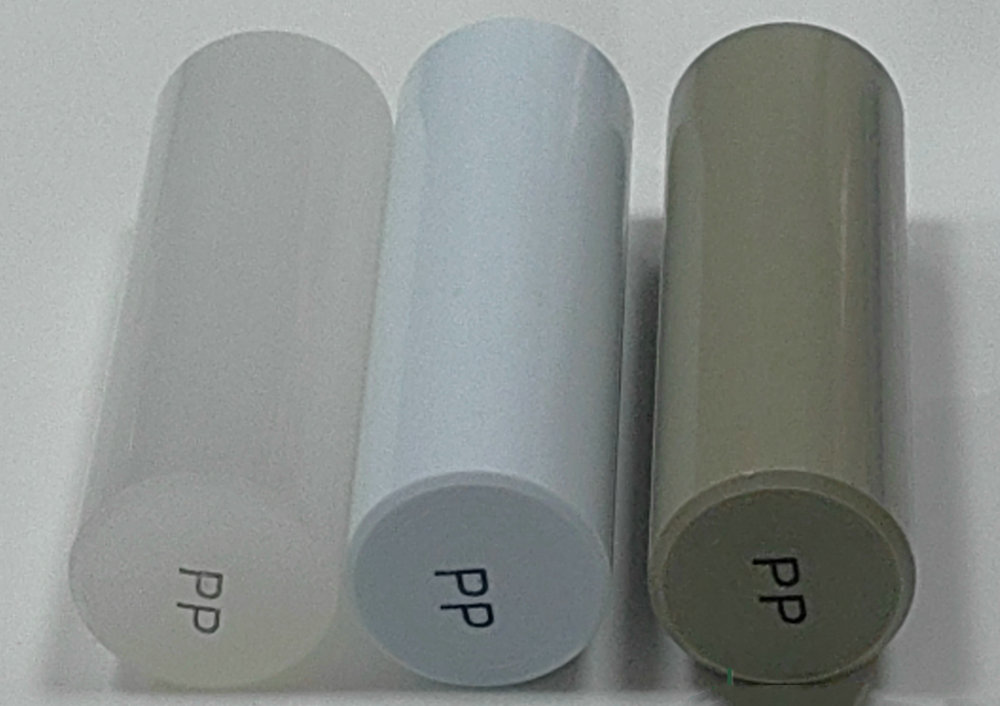
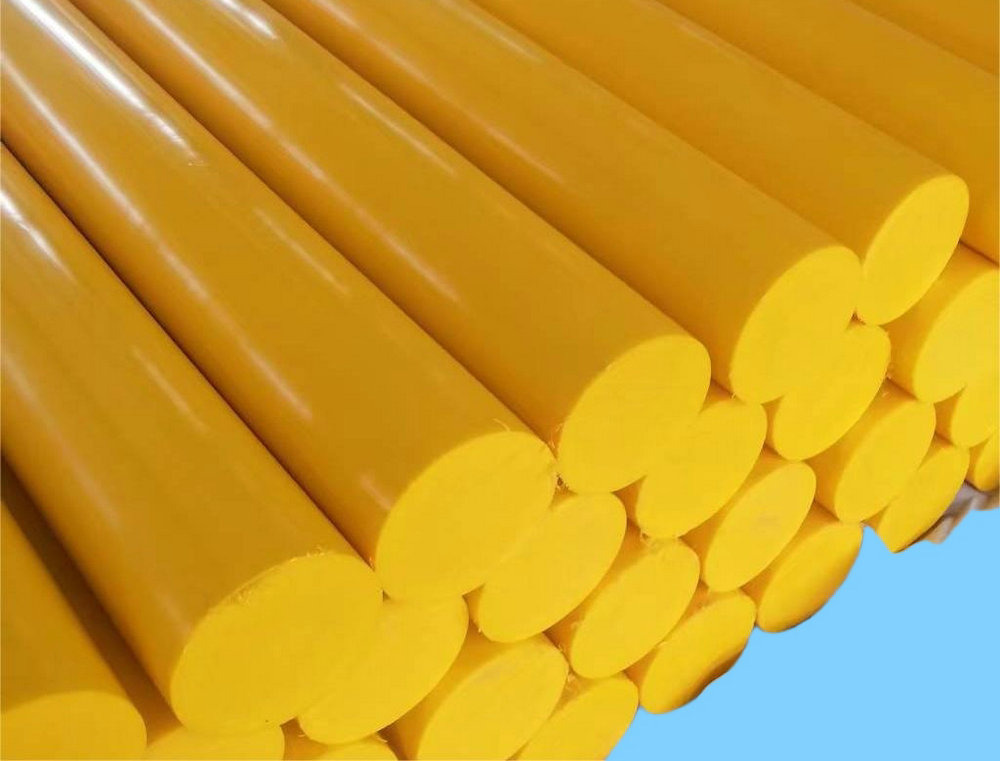
(4) Colored PP Rods
-Description:
Available in various colors for aesthetic or functional identification purposes.
-Applications:
Commonly used in consumer goods, signage, or where color coding is important.
(5) Reinforced or Filled PP Rods
-Description:
Incorporates fillers such as glass fibers or mineral additives to enhance strength, stiffness, or other mechanical properties.
-Applications:
Utilized in structural components or high-load applications requiring enhanced mechanical performance.
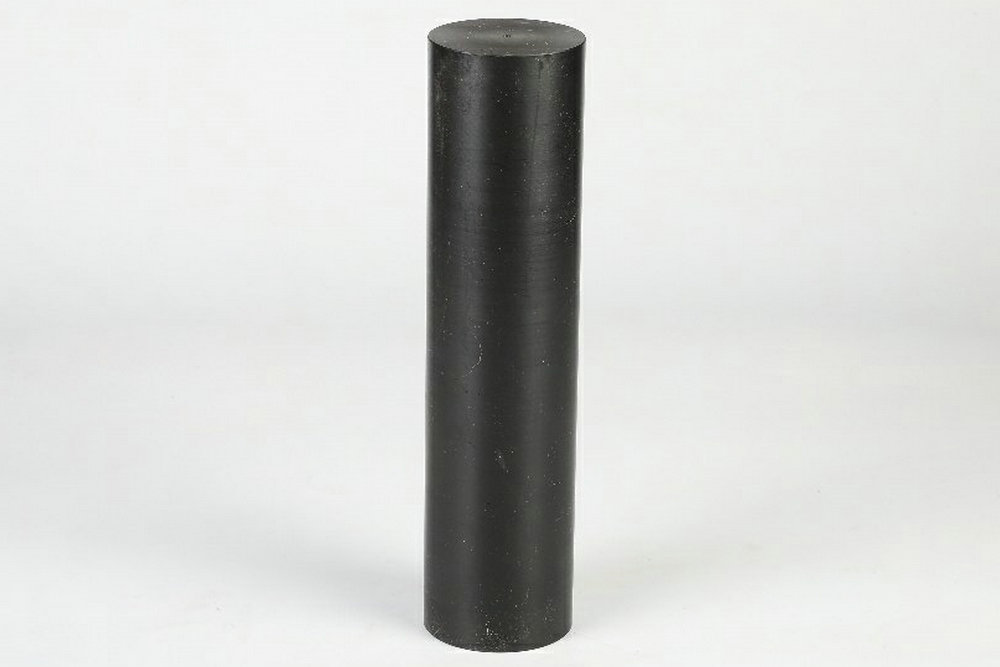
Technical Parameters:
Note: The following values are typical and may vary by formulation and specific grade.
Property | Typical Value/Range | Description |
Density | 0.90 – 0.91 g/cm³ | Low weight contributes to overall lightness. |
Tensile Strength | 20 – 40 MPa | Adequate for many structural and mechanical applications. |
Flexural Modulus | 1000 – 1500 MPa | Indicates rigidity and resistance to bending. |
Elongation at Break | 200 – 600% | High ductility allows for some flexibility before failure. |
Hardness (Shore D) | 60 – 70 | Balances flexibility with resistance to surface wear. |
Melting Point | 160 – 170°C | Determines processing and service temperature limits. |
Operating Temperature | -20°C to +90°C (continuous) | Suitable for a broad range of applications under ambient to moderately high temperatures. |
Water Absorption | < 0.01% | Virtually impervious to moisture, ensuring dimensional stability. |
Chemical Resistance | Excellent | Resistant to most acids, alkalis, and organic solvents. |
Electrical Insulation | High | Good dielectric properties for electrical applications. |
Product Benefits:
-Cost Efficiency:
PP rods offer a low-cost solution with excellent performance in many applications. Lower price than ABS, nylon, or PTFE.
-Lightweight Design:
Their low density reduces overall product weight, which is beneficial in automotive, aerospace, and consumer products.
-Chemical & Moisture Resistance:
Resists acids, bases, alcohols, and oils (weak against gasoline/chlorinated solvents). Excellent for use in environments where exposure to chemicals or moisture is common.
-Versatility in Processing:
Easily machined, extruded, or thermoformed, allowing for high customization and rapid prototyping.
-Good Fatigue and Impact Resistance:
Suitable for applications with repeated stress or dynamic loads.
-Recyclability:
Polypropylene is fully recyclable, aligning with sustainable and eco-friendly manufacturing practices.
-Electrical Insulation Properties:
Useful in applications that require non-conductive materials.
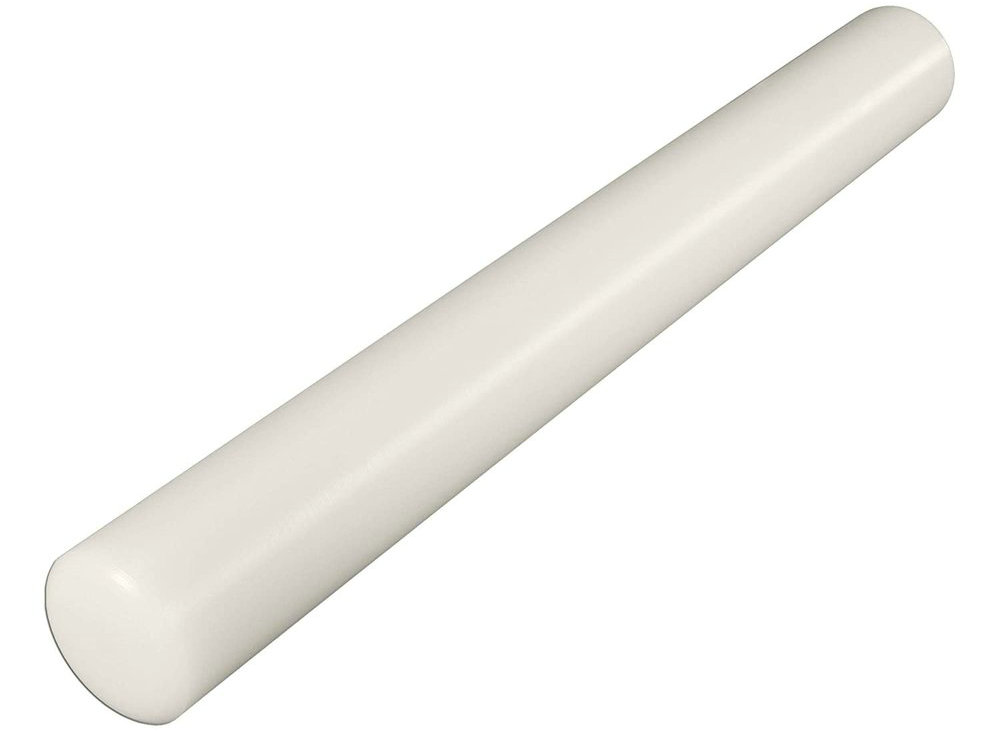
Storage & Handling:
To ensure the longevity and optimal performance of PP rods:
-Storage Environment:
oStore in a cool, dry, and well-ventilated area.
oAvoid prolonged exposure to direct sunlight as UV light may cause slight discoloration over time.
-Handling Procedures:
oUse clean gloves to prevent contamination, especially if the rods are used in food or medical applications.
oAvoid excessive mechanical stress during transportation to prevent bending or surface damage.
-Stacking:
oStore rods in a manner that prevents deformation. If stacking is necessary, use supports or racks to distribute weight evenly.
-Shelf Life:
oWith proper storage, PP rods maintain their properties for many years. Regular inspection is recommended if stored for long durations.
FAQ
Q1: What are PP rods made from?
A: PP rods are made from polypropylene, a versatile thermoplastic known for its chemical resistance, low density, and good mechanical properties.
Q2: How do PP rods compare to other plastic rods?
A: PP rods are generally lighter and more cost-effective than many other engineering plastics. They offer excellent chemical and moisture resistance, though they may not perform as well at very high temperatures compared to materials like PEEK.
Q3: Are PP rods suitable for outdoor applications?
A: Yes, PP rods are resistant to moisture and chemicals, making them suitable for many outdoor applications. However, for prolonged UV exposure, UV-stabilized PP formulations are recommended.
Q4: Can PP rods be easily machined?
A: Yes, PP rods can be cut, drilled, and machined using standard tools, and they can also be thermoformed if needed.
Q5: Can PP rods be recycled?
A: Yes, polypropylene is one of the most recyclable thermoplastics, making PP rods an environmentally friendly choice.
Q6: Can PP rods be glued or bonded?
A: Adhesion is challenging due to low surface energy. Use PP-specific adhesives or surface treatments (flame/plasma).
Q7: Can PP rods handle high mechanical loads?
A: Glass fiber-reinforced grades are suitable for moderate loads. For heavy loads, consider nylon or acetal.
Q8: What diameters are available?
A: Standard diameters range from 5mm to 300mm; custom sizes are possible.
- PRE: 40100 PP Sheets
- NEXT: No more