






Details
PP SHEETS
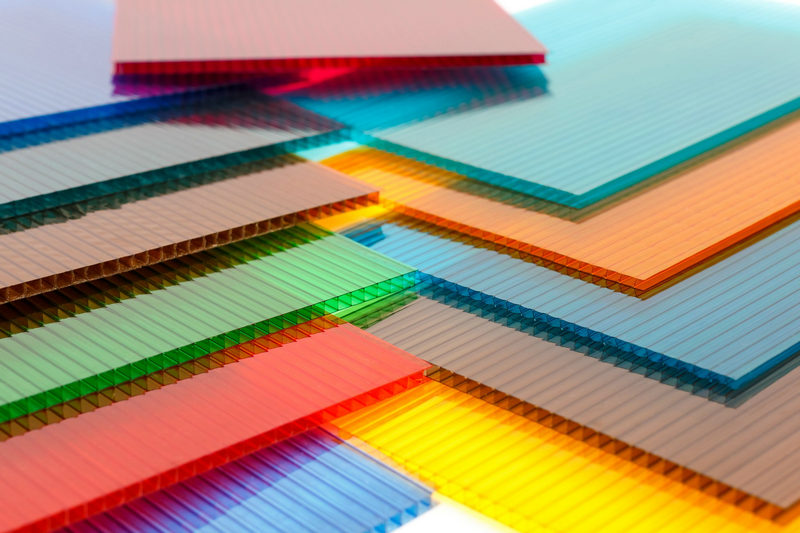
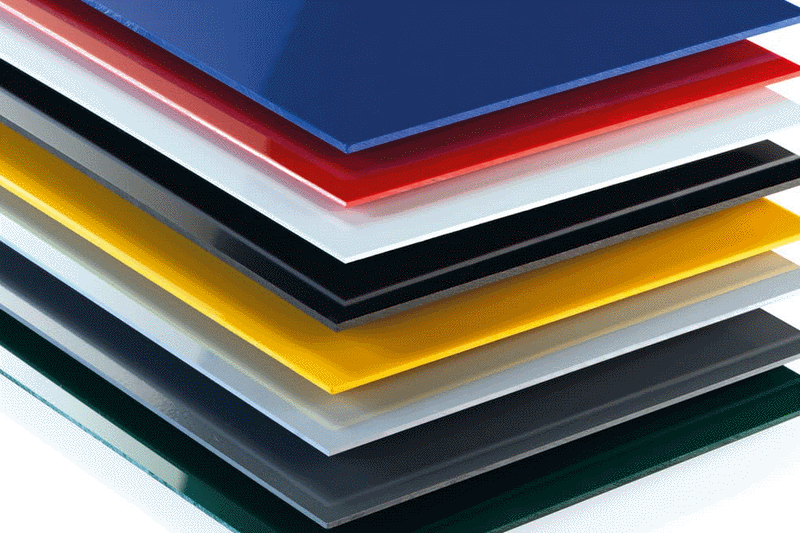
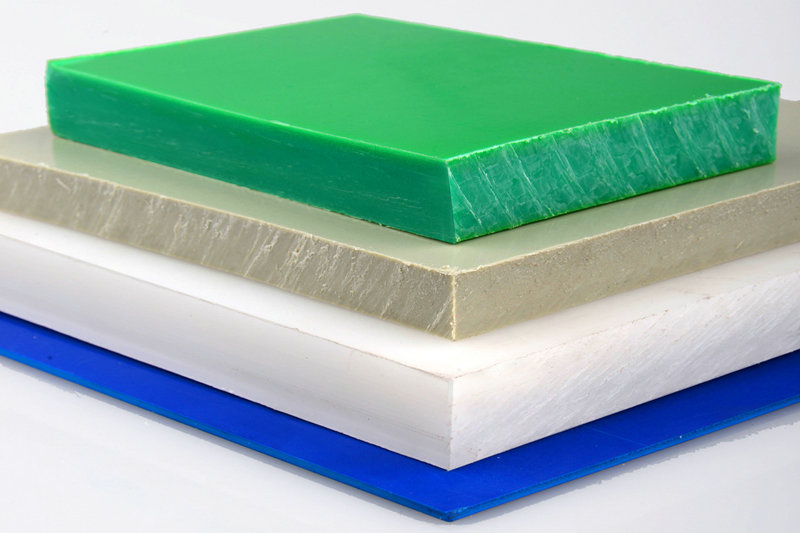
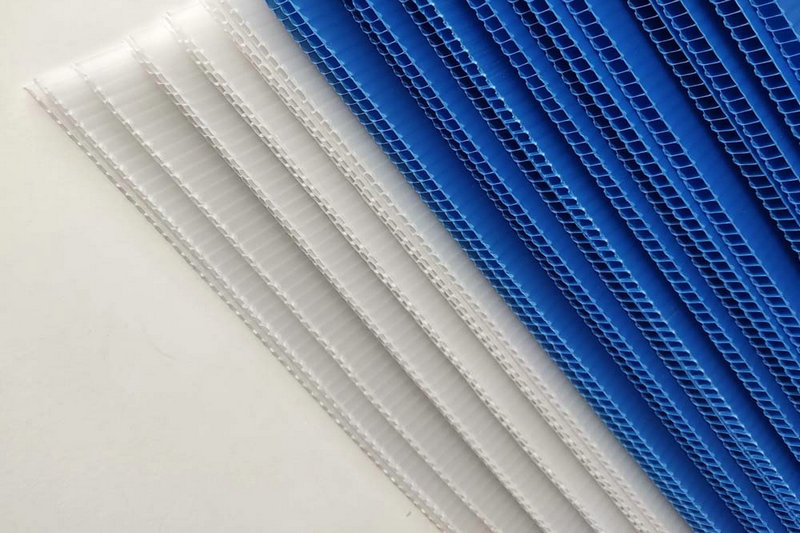
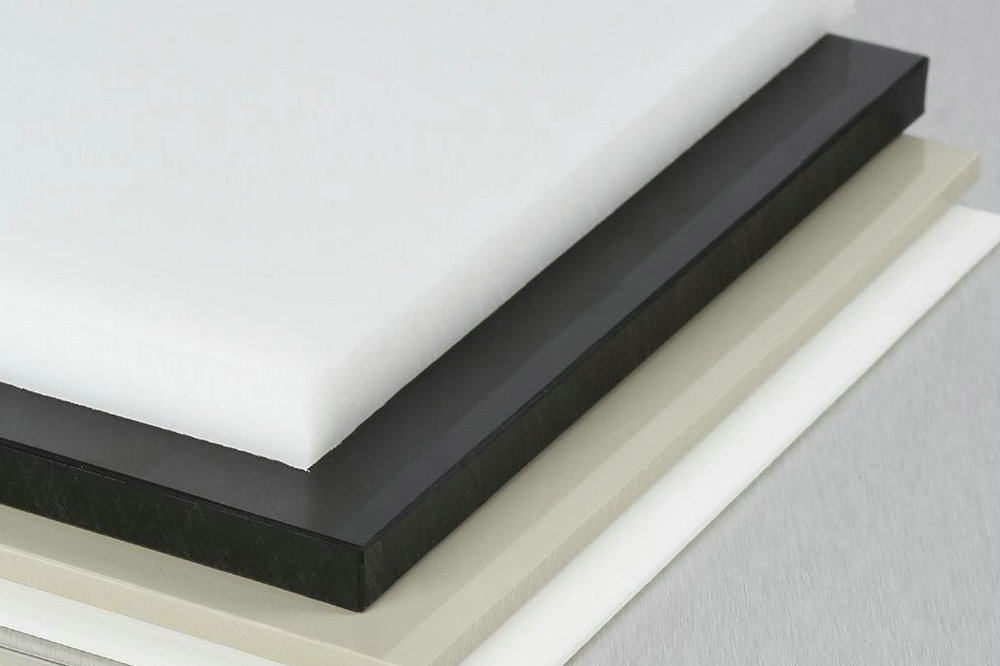
PP Sheets are flat, semi-rigid thermoplastic panels made from polypropylene, a versatile thermoplastic polymer known for its chemical resistance, durability, and lightweight properties. Polypropylene (PP) is a linear hydrocarbon polymer (C₃H₆) produced via polymerization of propylene monomers. These sheets are manufactured through extrusion or compression molding. Polypropylene (PP) is widely used in many industries due to its balance of strength, flexibility, and cost-effectiveness. PP sheets come in various thicknesses and colors and can be easily fabricated into components for packaging, automotive parts, consumer goods, and industrial applications.
PP sheets are also appreciated for their high resistance to fatigue, chemical corrosion, and moisture, making them suitable for both indoor and outdoor applications. They are often chosen as a lightweight alternative to metals or other plastics when high durability and low cost are essential.
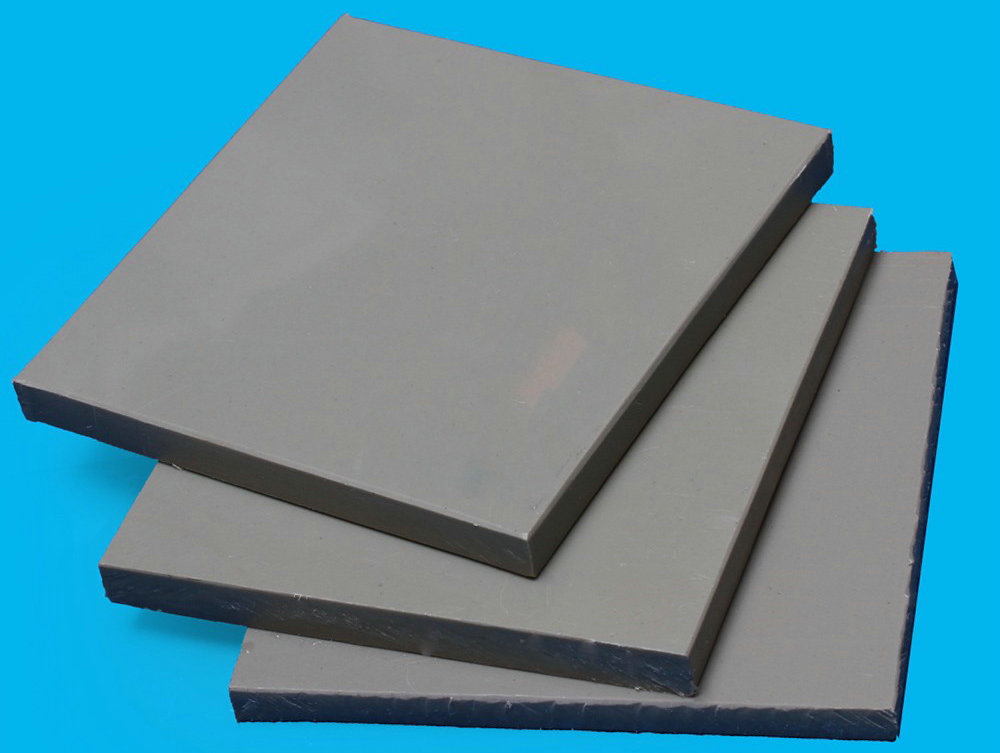
Key Features:
Chemical Resistance:
PP sheets exhibit excellent resistance to acids, alkalis, and many organic solvents, making them ideal for chemical handling and storage applications.
Low Density & Lightweight:
With a density typically around 0.90–0.91 g/cm³, PP sheets are light, reducing transportation and installation costs.
Good Impact Resistance:
They offer good toughness and impact resistance, even at low temperatures.
Excellent Fatigue Resistance:
PP is known for its “hinge” properties, meaning it can be flexed repeatedly without cracking—a property known as excellent fatigue resistance.
Moisture & Water Resistance:
PP has very low moisture absorption, ensuring long-term dimensional stability in humid environments.
Good Insulating Properties:
PP sheets are excellent electrical insulators, making them suitable for various electrical and electronic applications.
Ease of Fabrication:
PP sheets can be easily cut, thermoformed, machined, and welded, offering versatility in design and manufacturing.
Cost-Effective & Recyclable:
Due to their relatively low production cost and recyclability, PP sheets are an environmentally friendly option for many applications.
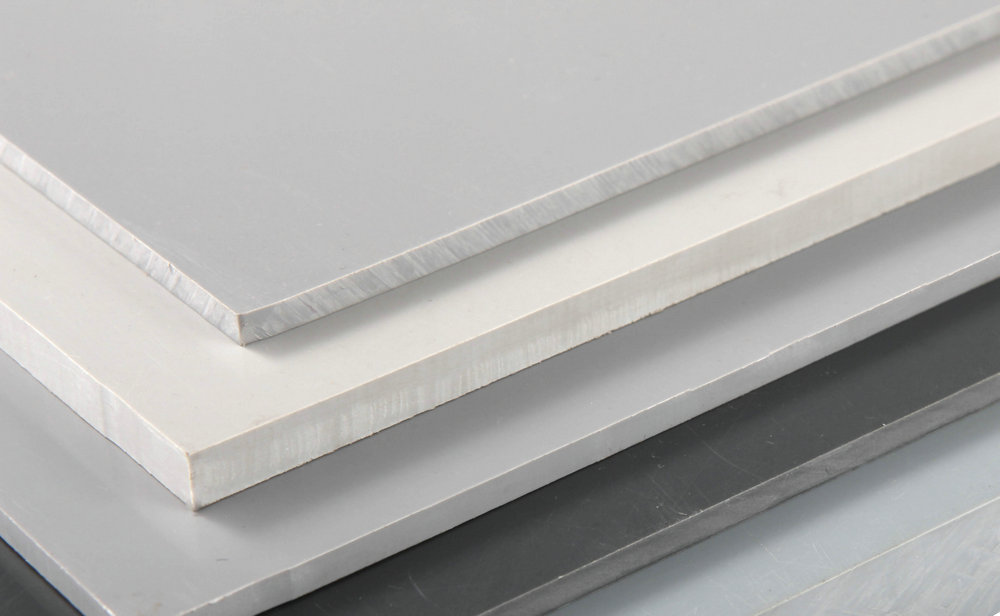
Types:
Type | Key Characteristics | Applications |
Homopolymer PP | High stiffness, tensile strength, and chemical resistance. | Chemical tanks, industrial containers. |
Copolymer PP | Enhanced impact resistance (ethylene-propylene blend). | Automotive parts, hinges, battery cases. |
Reinforced PP | Glass fiber (10–40%) or talc-filled for rigidity. | Structural components, automotive panels. |
UV-Stabilized PP | Contains additives to resist sunlight degradation. | Outdoor signage, garden furniture. |
Electrostatic Dissipative (ESD) | Carbon-filled for static control (10⁶–10⁹ Ω/sq). | Electronics manufacturing, cleanroom fixtures. |
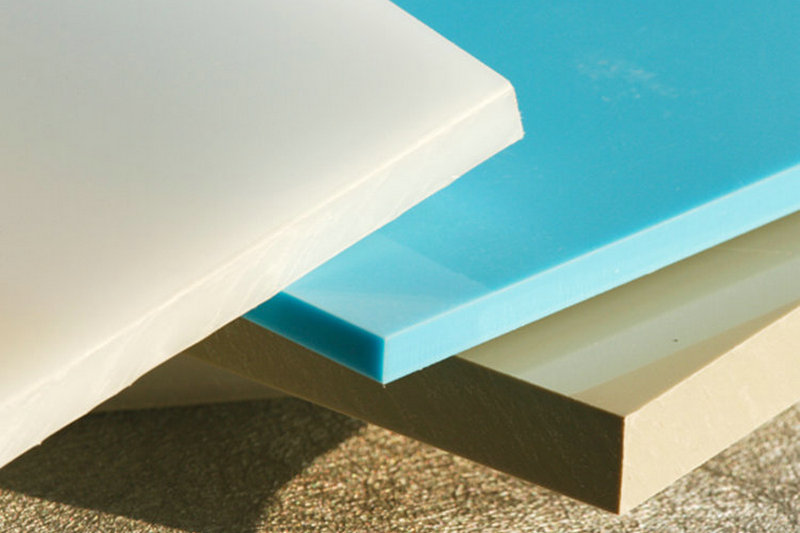
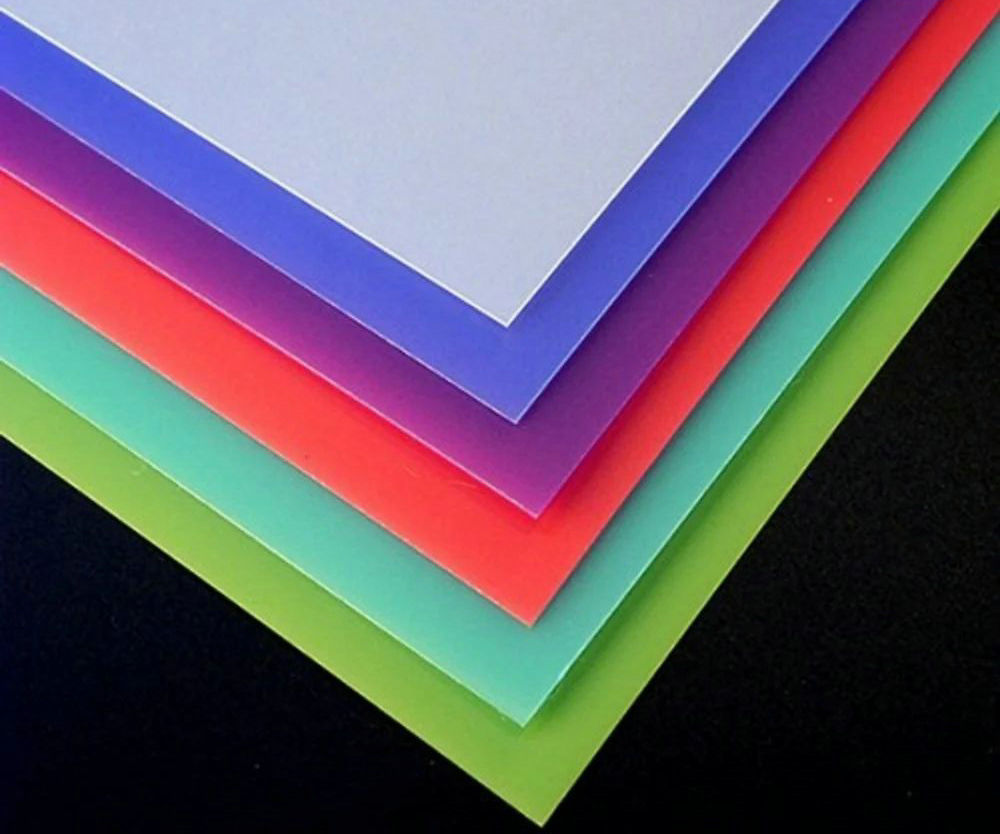
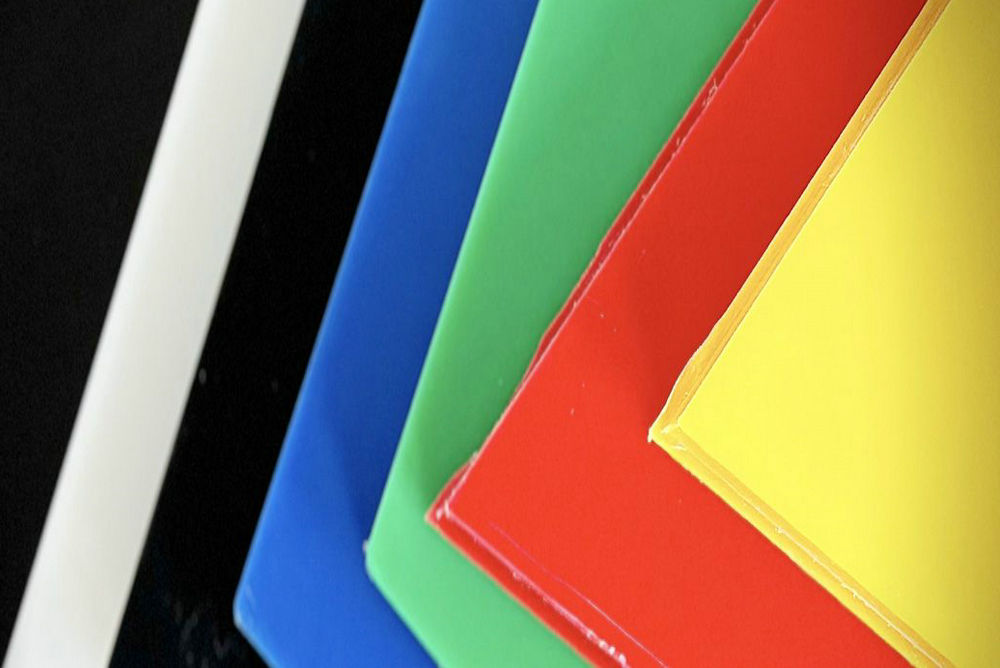
Colored and Pigmented PP Sheets | Available in a variety of colors for aesthetic and functional coding purposes. | Consumer goods, signage, and decorative applications. |
Technical Parameters:
Note: Specific values may vary based on the grades and formulation.
Property | Typical Value/Range | Description |
Density | ~0.90–0.91 g/cm³ | Low density ensures lightweight material. |
Tensile Strength | ~20–40 MPa | Adequate for many structural applications. |
Flexural Modulus | ~1000–1500 MPa | Indicates stiffness and resistance to bending. |
Elongation at Break | ~200–600% | High ductility and flexibility under stress. |
Hardness (Shore D) | ~60–70 | Balances flexibility with resistance to surface wear. |
Melting Point | ~160–170°C | Defines processing and service temperature limits. |
Operating Temperature | -20°C to +90°C (continuous) | Suitable for a wide range of environmental conditions. |
Water Absorption | <0.01% | Virtually impervious to water. |
Chemical Resistance | Excellent | Resists acids, bases, and solvents well. |
Flammability Rating | UL94 HB or V-2 (depending on formulation) | Moderate flame resistance; improved in flame-retardant grades. |
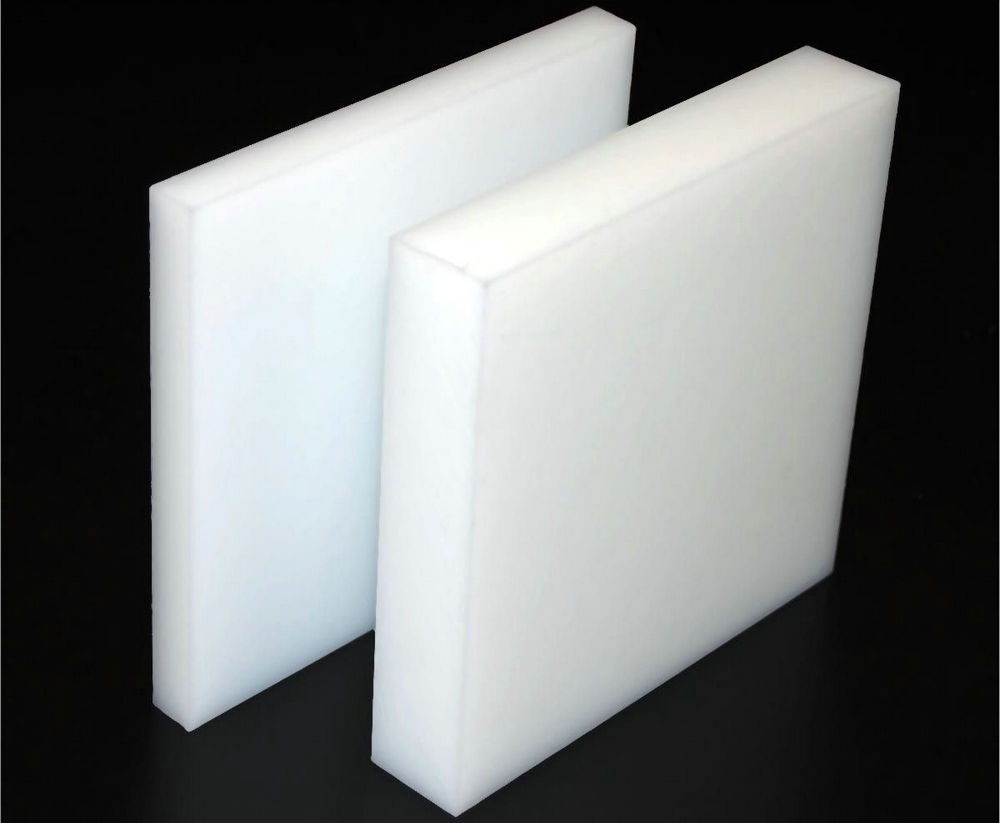
Product Benefits:
-Cost-Effective:
Polypropylene is one of the most affordable engineering plastics, making PP sheets a cost-effective choice. Lower cost than ABS, PVC, or engineering plastics.
-Lightweight:
Their low density makes PP sheets easy to transport, handle, and install. lighter than PVC or ABS.
-Chemical Resistance:
They offer excellent resistance to many chemicals, ensuring longevity in aggressive environments.
-High Fatigue Resistance:
Ideal for applications that require repeated flexing without failure.
-Ease of Processing:
PP sheets can be easily thermoformed, welded, and machined into complex shapes.
-Environmental Resistance:
Excellent resistance to moisture and water, with low water absorption ensuring stable properties over time.
-Electrical Insulation:
Their inherent insulating properties make them suitable for electrical applications.
-Recyclability:
PP sheets are recyclable, contributing to sustainable manufacturing practices.
Applications:
PP sheets are utilized in a broad range of industries due to their versatile properties:
Industrial & Commercial Applications
-Chemical Processing:
Tanks, linings, and components that require chemical resistance.
-Packaging:
Containers, trays, and protective packaging.
-Machinery Components:
Panels, guards, and covers in equipment and machinery.
Automotive & Transportation
-Interior Components:
Dashboard panels, door trims, and console parts.
-Protective Covers:
Light, durable housings for various automotive parts.
Electrical & Electronics
-Insulating Components:
Enclosures, cable trays, and other components requiring electrical insulation.
-Circuit Board Supports:
Structural components that require stability and resistance to moisture.
Consumer Goods
-Household Items:
Furniture, storage solutions, and decorative panels.
-Sporting Goods:
Lightweight components for equipment and accessories.
Medical & Laboratory Applications
-Containers & Trays:
Equipment that requires chemical resistance and easy cleaning.
-Prototyping:
Custom components for medical devices and research applications.
Storage & Handling:
To maintain the quality and performance of PP sheets:
-Storage Environment:
Store in a cool, dry, and well-ventilated area. Avoid prolonged exposure to direct sunlight, which can cause discoloration over time.
-Protection from Chemicals:
Keep PP sheets away from strong oxidizers, solvents, or corrosive chemicals that could degrade the material.
-Stacking:
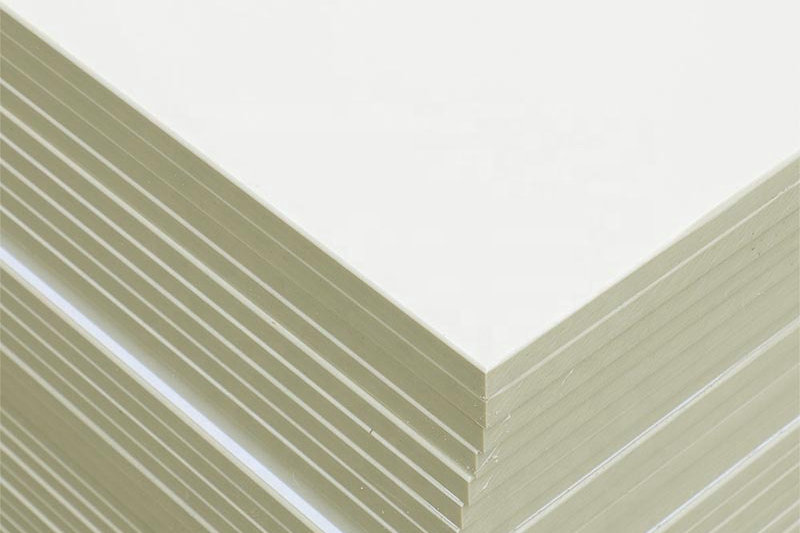
Store sheets flat to avoid warping. If stacking is necessary, ensure even support and avoid heavy loads on top.
-Handling:
Use clean gloves to prevent contamination or scratches, especially if used in food or medical applications.
-Shelf Life:
Properly stored PP sheets can remain in excellent condition for many years. Periodic inspection is recommended to ensure no discoloration or deformation has occurred.
FAQ
Q1: What are PP sheets used for?
A: PP sheets are used for a variety of applications including chemical storage, packaging, machinery components, automotive parts, electrical insulation, and consumer goods. Their excellent chemical and moisture resistance makes them ideal for harsh environments.
Q2: How do PP sheets compare to other plastic sheets?
A: Compared to other plastics, PP sheets are lightweight, cost-effective, and offer excellent chemical and moisture resistance. They typically have lower density and better fatigue resistance than many other engineering plastics, though they may not have the same high-temperature performance as materials like PEEK.
Q3: What is the typical service temperature range for PP sheets?
A: PP sheets typically operate continuously from -20°C to +90°C, with short-term exposure to slightly higher temperatures possible.
Q4: Can PP sheets be welded or thermoformed?
A: Yes, one of the advantages of PP is its ease of processing. PP sheets can be thermoformed, welded, cut, and machined to meet specific design requirements.
Q5: Can PP sheets be recycled?
A: Yes, polypropylene is one of the most recyclable thermoplastics, contributing to sustainable manufacturing practices.
Q6: How does PP compare to HDPE?
A: PP has a higher melting point and rigidity, while HDPE offers better impact resistance at low temperatures.
Q7: What’s the difference between homopolymer and copolymer PP?
A: Homopolymer has higher stiffness; copolymer offers better impact resistance.
Q8: Are PP sheets resistant to automotive fluids?
A: Resists water, coolants, and detergents but swells in gasoline/oil (use HDPE for fuel resistance).
Q9: Can PP sheets be used outdoors?
A: Only UV-stabilized grades are suitable for prolonged outdoor use. Standard PP degrades under UV exposure.
Q10: How do PP sheets compared to HDPE, ABS, and PVC sheets?
A: Please refer to the table below:
Aspect | PP | HDPE | ABS | PVC |
Density | 0.90–0.92 g/cm³ | 0.94–0.97 g/cm³ | 1.04–1.07 g/cm³ | 1.3–1.45 g/cm³ |
Max Temp | 120°C | 80°C | 80–100°C | 60–80°C |
Chemical Resistance | Excellent (excl. chlorinated solvents) | Good (excl. strong oxidizers) | Moderate | Excellent (varies by type) |
Cost | Low | Low | Moderate | Moderate |
Primary Uses | Packaging, automotive, hinges | Bottles, pipes | Automotive trim, LEGO bricks | Pipes, signage |
- PRE: No more
- NEXT: 40300 PP Rods