






Details
POM (ACETAL) RODS
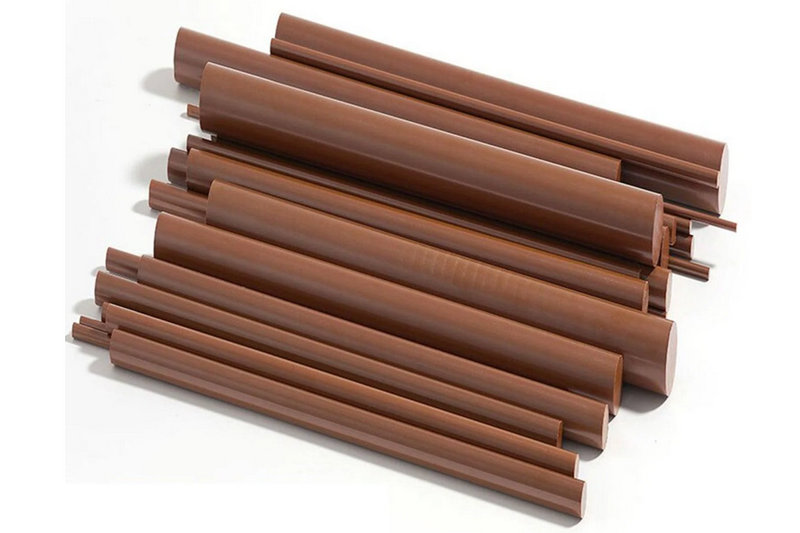
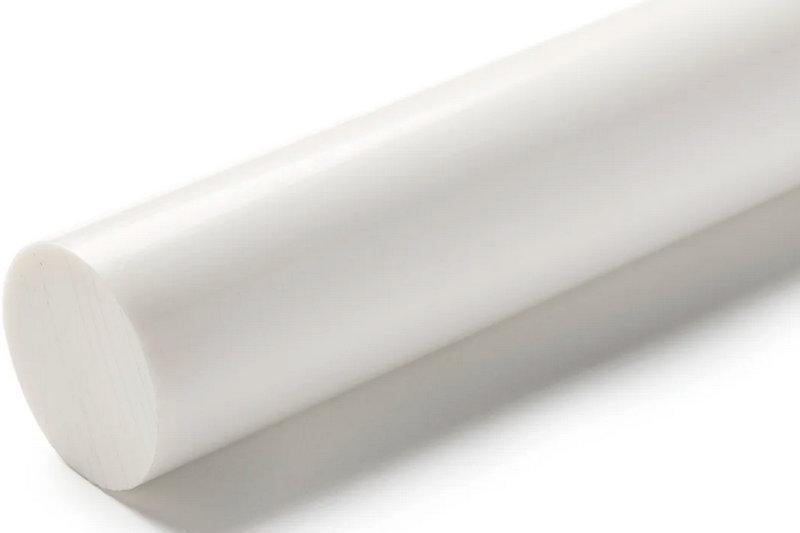
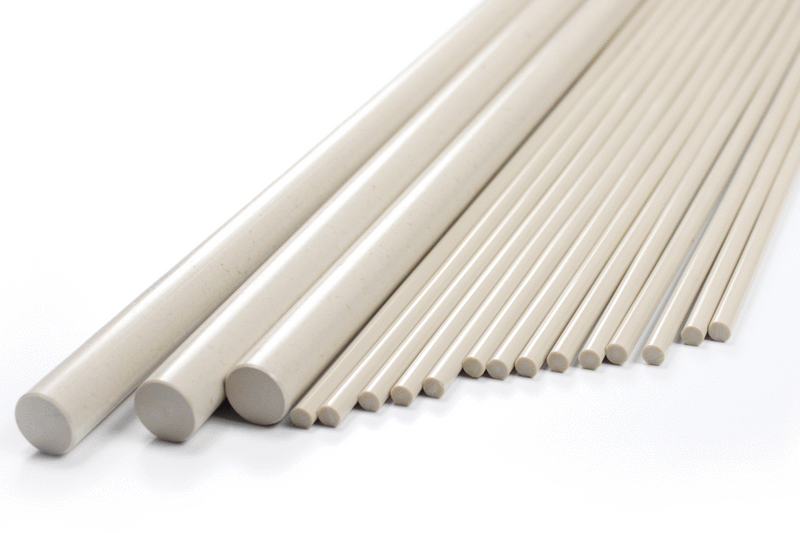
Acetal rods, sometimes referred to as POM rods or polyacetal rods, are high-performance thermoplastic engineering materials with remarkable mechanical qualities. High-density polymers like polyoxymethylene (POM) are frequently utilized in a variety of industrial settings where high strength, stiffness, and dimensional stability are necessary. Solid cylindrical POM acetal rods are frequently used for precision part machining.
POM usually comes in two varieties:
A more rigid and chemically resistant type is called a homopolymer.
Copolymer: Provides greater dimensional stability and improved resistance to stress cracking.

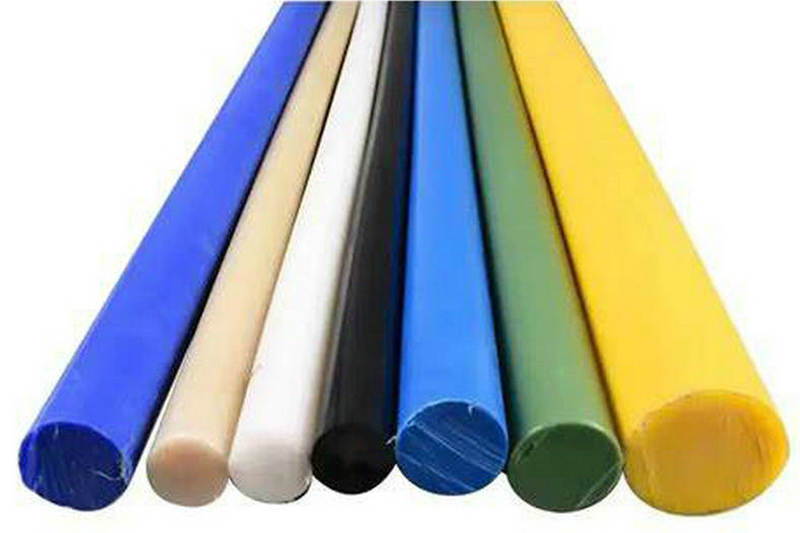
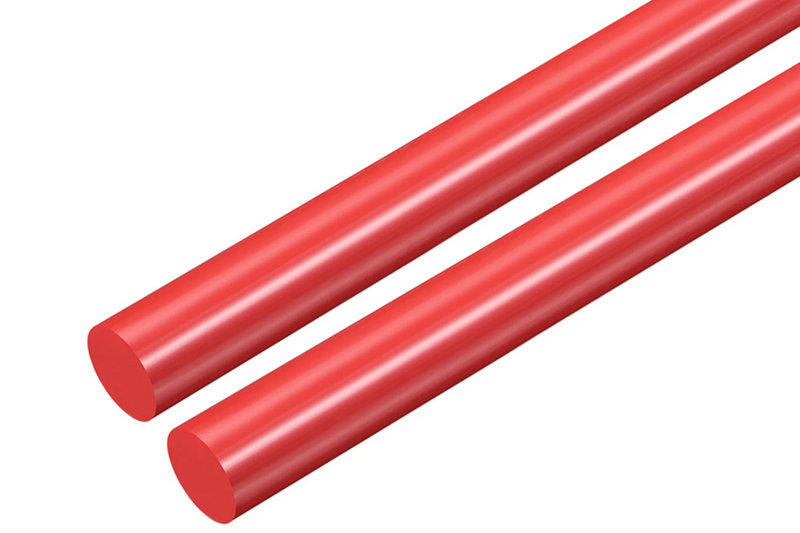
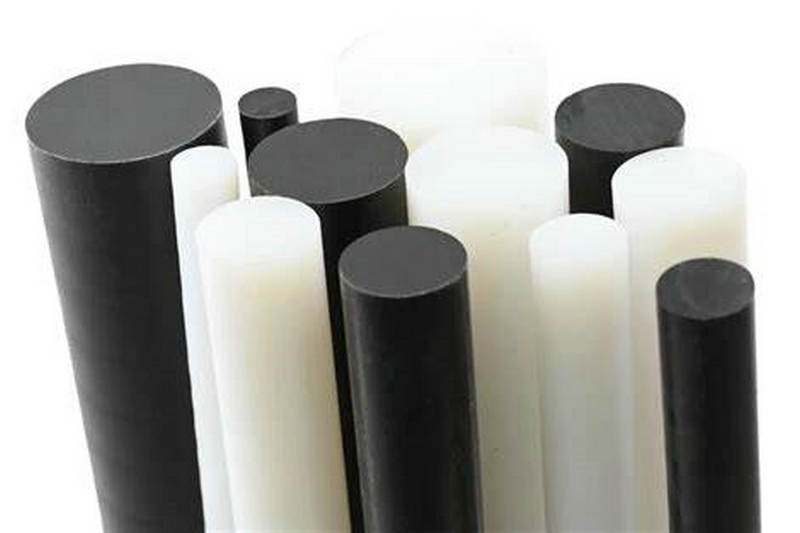
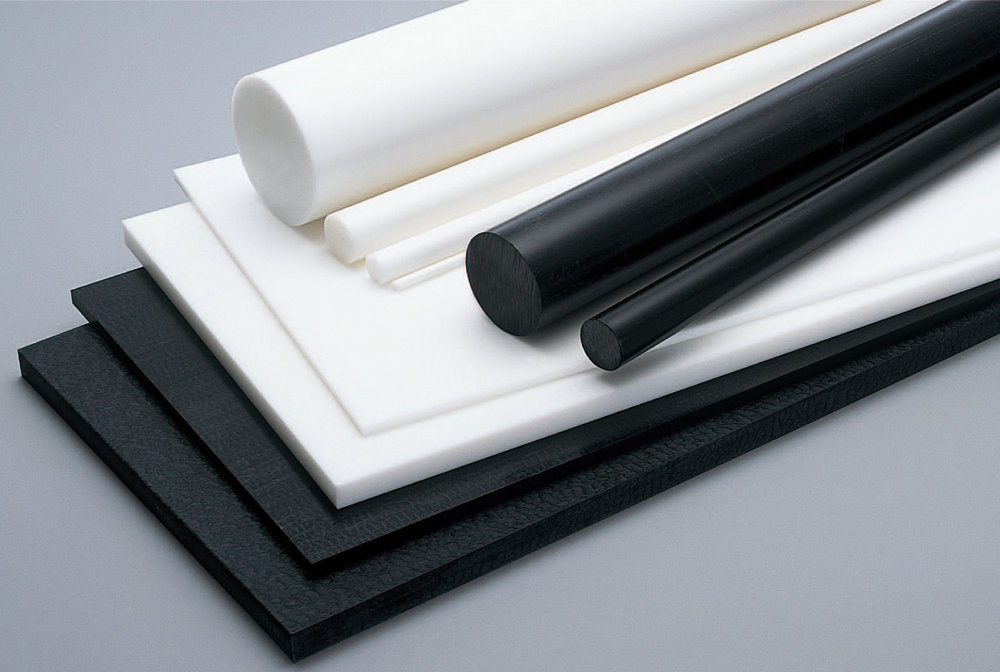
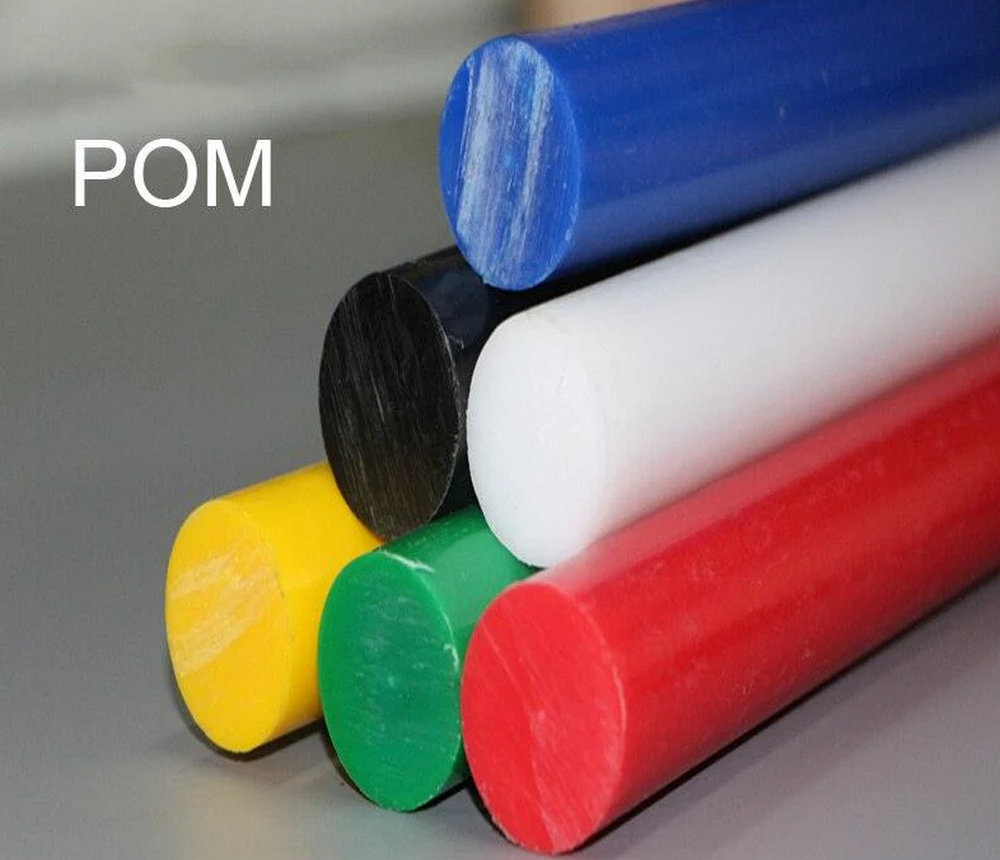
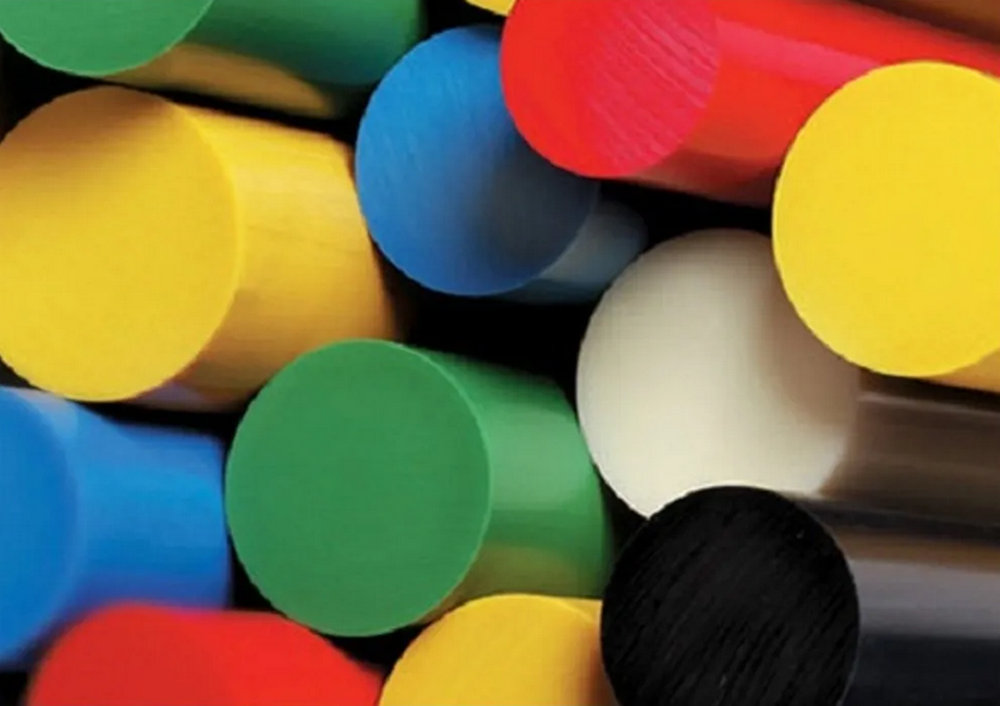
These rods are perfect for machining and producing extremely accurate, robust, and smooth components. They come in a variety of sizes and colors.
Key Features:
High Strength and Stiffness: Acetal possesses outstanding mechanical qualities, including high stiffness and tensile strength.
Low Friction Coefficient: POM rods are perfect for sliding and rotating parts because of their extremely low coefficient of friction.
Outstanding Dimensional Stability: POM exhibits minimal expansion and contraction as a result of its low moisture absorption (0.2–0.3% over 24 hours), which keeps it stable in a variety of climatic situations.
Chemical Resistance: Extremely resilient to a wide range of chemicals, fuels, oils, and solvents.
Resistance to Wear and Abrasion: Acetal rods exhibit remarkable fatigue resistance and function well in wear-related situations.
Easy to Machine: Acetal is frequently used to create intricate and precise pieces because of its exceptional machinability.
FDA Compliant: Acetal can be produced in accordance with FDA guidelines for food-grade applications, which qualifies it for use in the food processing sector.
Technical Parameters:
Tensile Strength: 60–70 MPa (homopolymer), 50–60 MPa (copolymer).
Compressive Strength: ~100-120 MPa.
Flexural Strength: ~110-125 MPa
Melting Point: 175°C (homopolymer), 165°C (copolymer).
Density: 1.41–1.42 g/cm³, varies slightly between grades
Operating Temperature: -40°C to 100°C depends on grades
Shore D Hardness: ~M85 (Homopolymer), ~M80 (Copolymer)
Elongation at Break: 40–75%.
Thermal Expansion Coefficient: 10–15 × 10⁻⁶/°C.
Moisture Absorption: ~0.2-0.3% (low moisture absorption).
Product Advantages:
• Outstanding Durability: Even in high-stress situations, acetal rods endure a long time due to their exceptional resistance to wear.
• Smooth Surface Finish: Acetal rods are perfect for sections that come into contact with other materials because of their smooth texture, which lowers friction.
• Versatile Machining: Perfect for CNC machining, this process may be used to create precise, customized parts.
• FDA-approved and non-toxic: can be applied to the industries that handle or process food.
• Good Thermal Stability: Able to tolerate temperatures between mild and high without experiencing appreciable performance deterioration.
• Noise Dampening: Acetal rods have good vibration and noise dampening capabilities.
• Easy Fabrication: Parts like bushings, gears, and washers can be made with ease by cutting, drilling, turning, or milling.
Applications:
Automotive Industry: Used in the production of high-wear parts such as fuel system components, washers, bushings, and precision gears.
Food Processing: Acetal rods have FDA approval for direct food contact applications, including cutting boards, conveyor systems, and parts of food processing equipment.
Aerospace: For the manufacture of precise, long-lasting, and lightweight parts like bushings and bearings.
Medical Devices: Used in prosthesis, surgical instruments, and syringes, among other medical applications.
Electronics: Used to make electrical components and insulators.
Industrial Equipment: For industrial machinery's rollers, bushings, seals, and mechanical gears.
Marine: Used to make components like electrical insulators and marine bearings that must withstand severe environmental conditions.
Textile Industry: As mechanical parts for spindles, rollers, and other textile machinery.
Types:
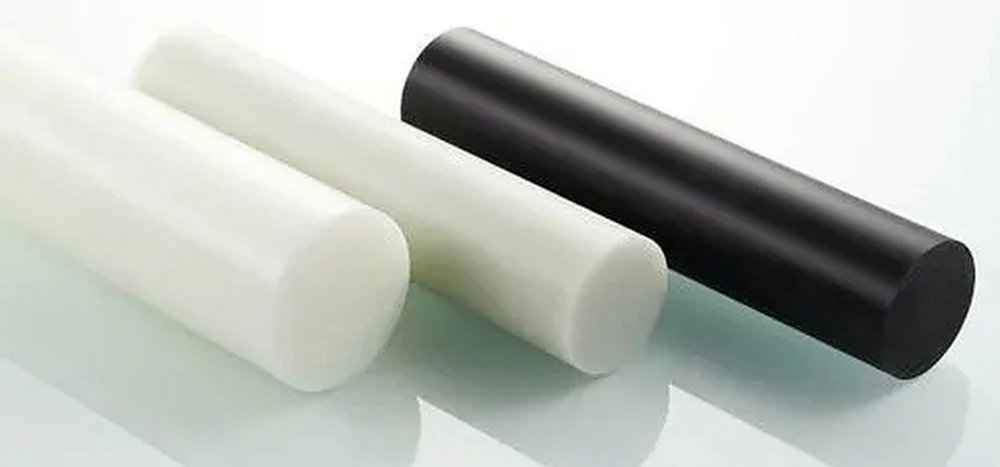
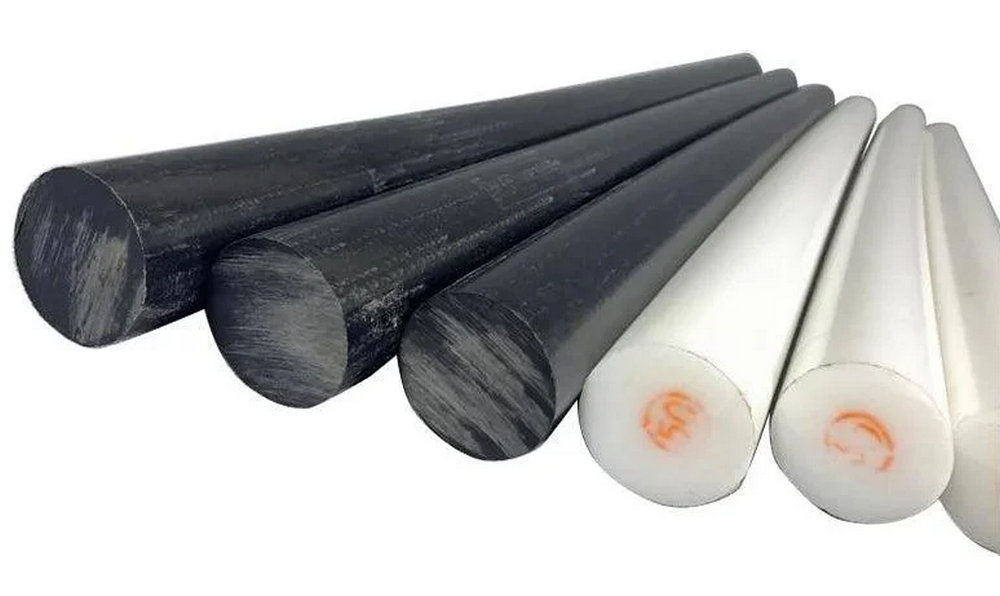
Natural (White): Most widely utilized in precision and broad industrial applications.
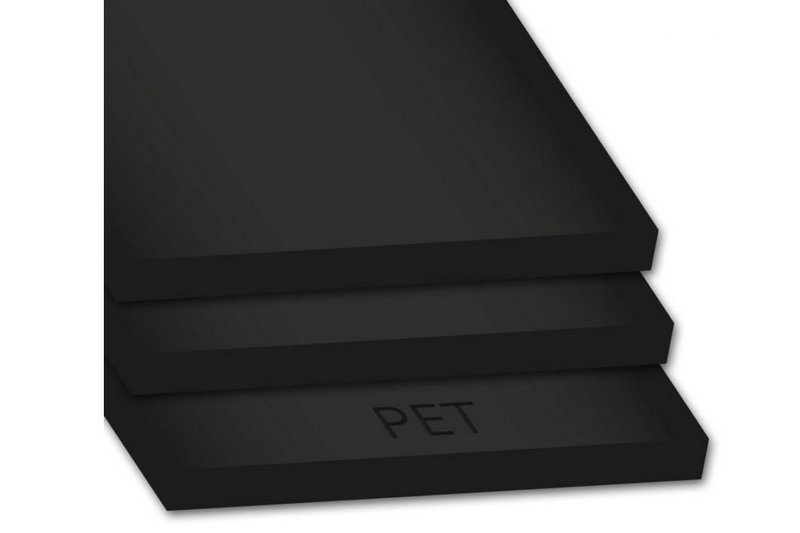
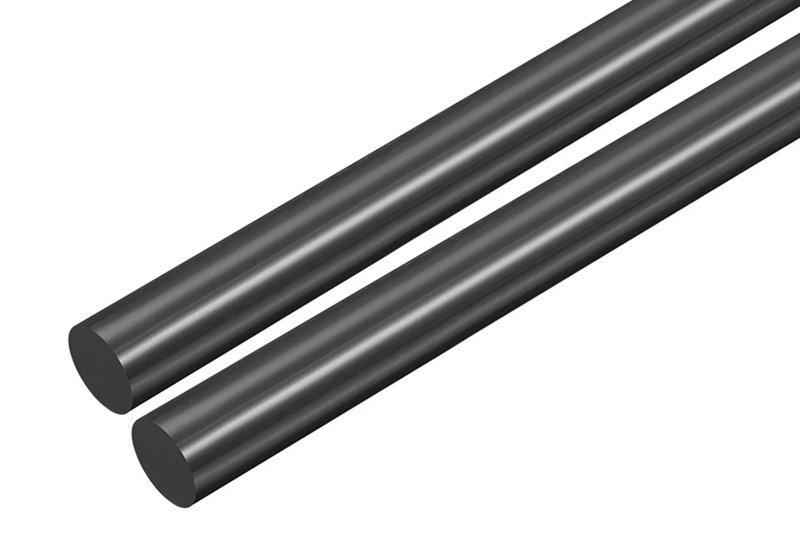
Black Acetal Rod: For improved wear resistance in high-friction applications, black acetal rod frequently contains graphite or other lubricants.
FDA Compliant (Food Grade): Complies with all FDA requirements when in direct contact with food, medications, and beverages.
Glass-Filled Acetal: For improved strength, dimensional stability, and mechanical qualities, it is reinforced with glass fibers.
Carbon-filled acetal is frequently utilized in high-performance applications because it provides even less friction and more wear resistance.
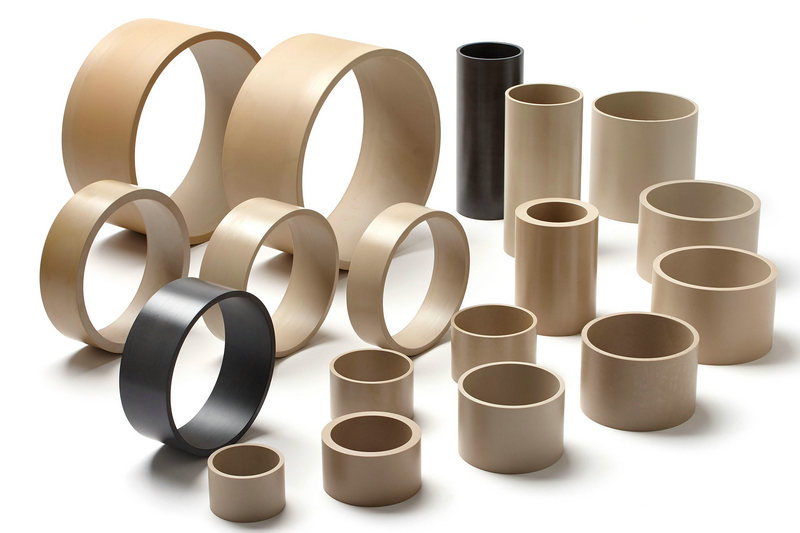
Colored Acetal Rod: For identifying or aesthetic reasons, this rod comes in a variety of colors.
Storage:
Storage: Acetal rods should be stored in a dry, cool place away from direct sunlight. Prolonged exposure to sunlight or moisture can degrade the material over time.
Handling: Wear gloves when handling acetal to prevent contamination. When cutting, machining, or processing the material, ensure proper ventilation, as small amounts of smoke or dust can be generated.
Shelf Life: The shelf life of POM is indefinite when stored correctly, but it is advised to use within 5 years from the date of purchase for optimal performance.
FAQ
Q1: Are POM Rods safe for food contact?
A: Yes, POM Rods can be manufactured to meet FDA and NSF standards, making it safe for food contact when specified as FDA compliant.
Q2: How is acetal/POM different from nylon?
A: Acetal/POM is more rigid, has a lower moisture absorption rate, and exhibits better wear resistance compared to nylon. Nylon absorbs moisture which can lead to dimensional changes, while acetal remains stable.
Q3: Can acetal rods be used in outdoor applications?
A: While acetal is resistant to chemicals and solvents, prolonged exposure to UV light can degrade the material. For outdoor use, consider using UV-stabilized versions or choosing alternatives like polyethylene or polypropylene.
Q4: What is the difference between homopolymer and copolymer acetal?
A: Homopolymer acetal (Delrin) has superior mechanical strength and rigidity but is more prone to cracking under stress. Copolymer acetal has better resistance to stress cracking and is generally more dimensionally stable but is less rigid.
Q5: Can I machine POM rods easily?
A: Yes, POM rods are known for their excellent machinability. They can be turned, milled, drilled, and shaped with common tools, making them ideal for precision parts.
Q6: Are there any environmental concerns with acetal?
A: Acetal is recyclable, and while it doesn’t contain toxic substances, it should be disposed of properly. The production process should be handled with care to minimize environmental impact.
Q7: How does POM perform in high-temperature environments?
A: POM has a working temperature range of -40°C to 100°C. It maintains its mechanical properties well within this range but may begin to soften or deform at temperatures above 100°C.
Q8: Is bonding possible for POM Rods?
A: Challenging; epoxy or cyanoacrylate with surface priming recommended.
- PRE: 30100 POM Sheets
- NEXT: 30120 POM Tubes