






Details
POM (ACETAL) SHEETS
POM (Polyoxymethylene) is a high-performance engineering thermoplastic composed of repeating formaldehyde units. POM SHEETS, normally known as Acetal Sheets, known for precision, durability, and resistance to wear. Commonly referred to as acetal, it exists in two forms: homopolymer (e.g., DuPont’s Delrin®) and copolymer, differentiated by molecular structure and performance.
Key Features:
High Mechanical Strength: Excellent stiffness and rigidity.
Low Friction: Self-lubricating with a coefficient of friction of 0.1–0.3.
Dimensional Stability: Minimal moisture absorption (0.2–0.3%) and low thermal expansion.
Chemical Resistance: Resists hydrocarbons, solvents, and alcohols; vulnerable to strong acids/bases.
Wear Resistance: Ideal for dynamic parts.
Electrical Insulation: Suitable for low-voltage applications.
Technical Parameters:
Tensile Strength: 60–70 MPa (homopolymer), 50–60 MPa (copolymer).
Melting Point: 175°C (homopolymer), 165°C (copolymer).
Density: 1.41–1.42 g/cm³.
Continuous Service Temperature: -50°C to 100°C.
Shore D Hardness: 80–85.
Elongation at Break: 40–75%.
Thermal Expansion Coefficient: 10–15 × 10⁻⁶/°C.
Product Advantages:
Superior creep resistance compared to nylon.
Excellent machinability with tight tolerances.
FDA-compliant grades available for food contact.
Cost-effective for precision components.
Applications:
Automotive: Fuel system components, gears, door handles.
Industrial: Gears, bearings, conveyor belts.
Consumer Electronics: Printer parts, zippers, locks.
Medical: Insulin pens, inhalers (non-sterilizing applications).
Electrical: Insulators, connectors.
Types:
Homopolymer (e.g., Delrin): Higher strength, stiffness, and wear resistance.
Copolymer: Better thermal/chemical stability and hydrolysis resistance.
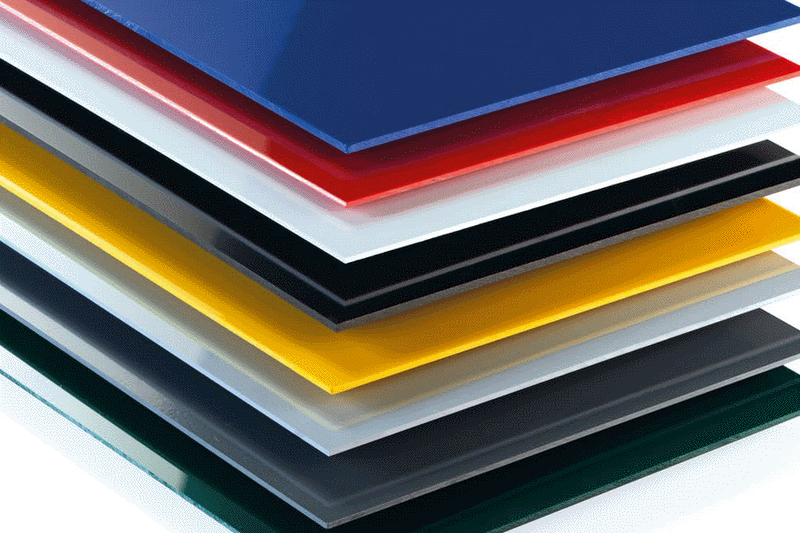
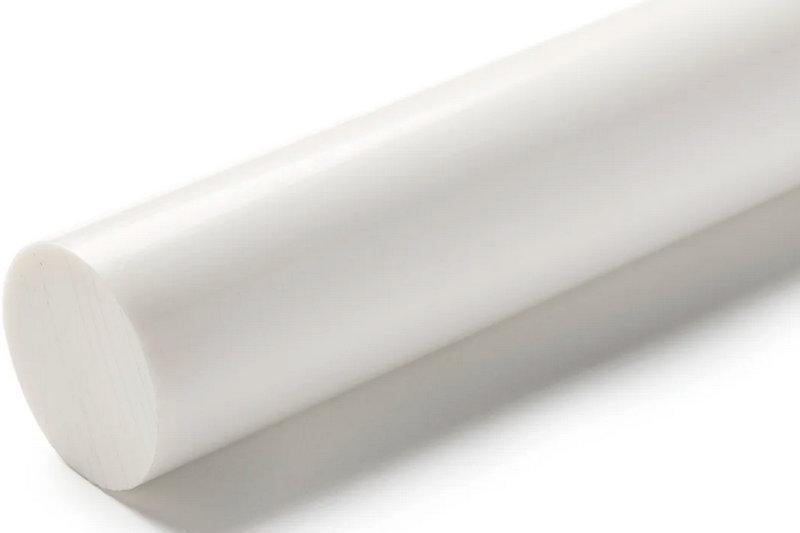
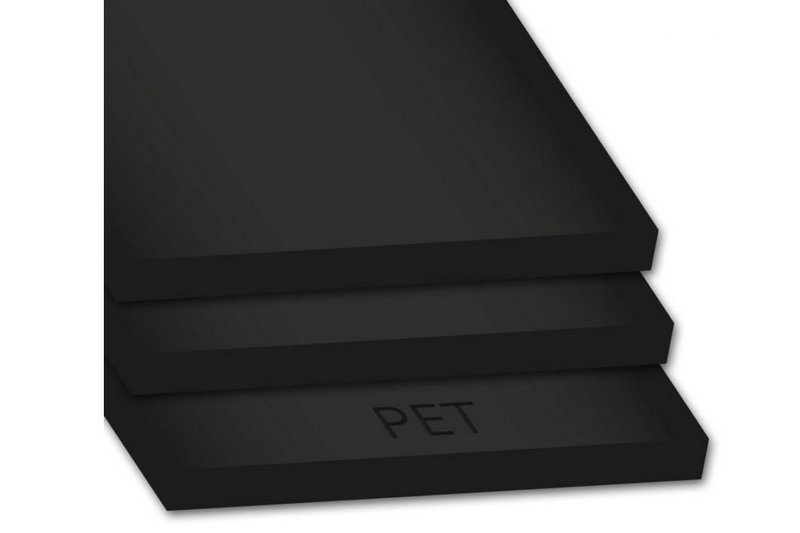
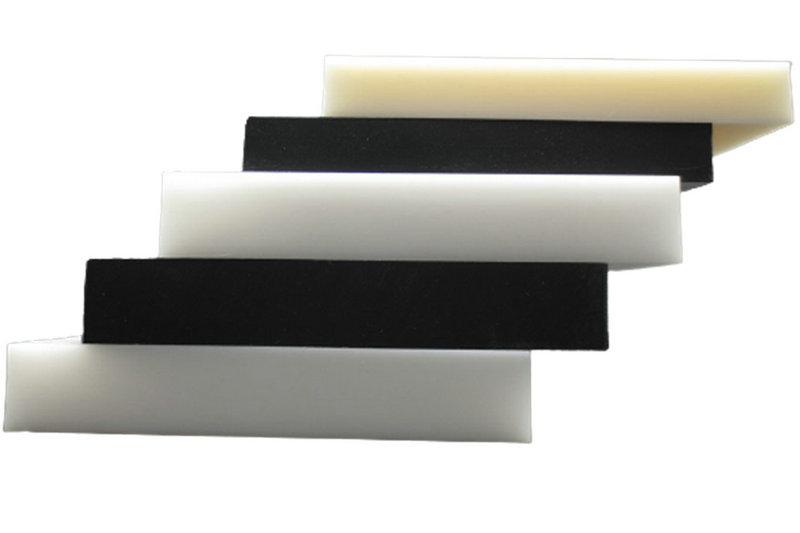
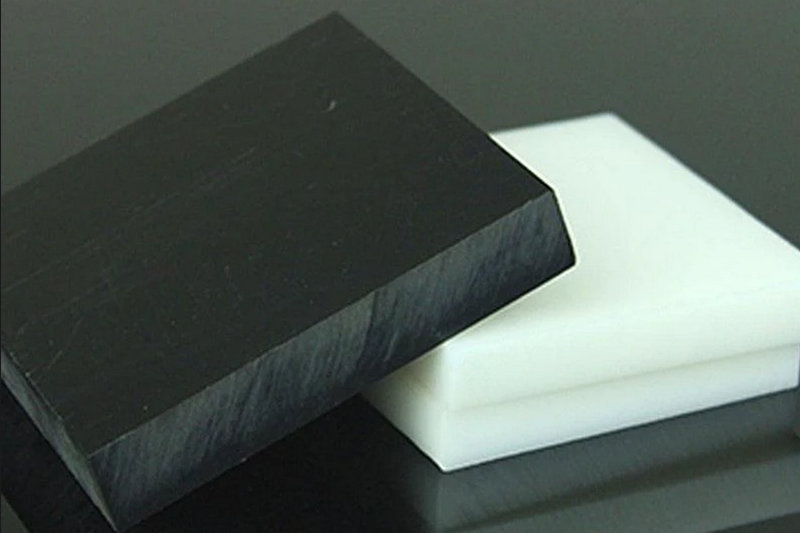
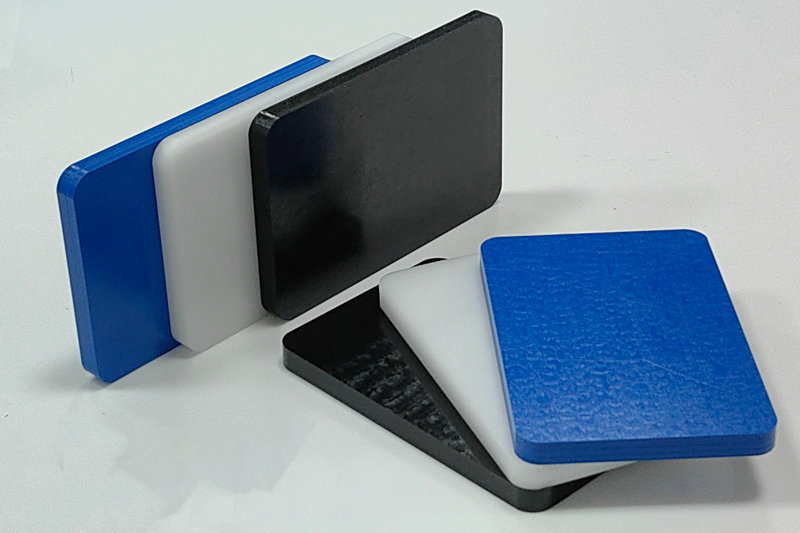
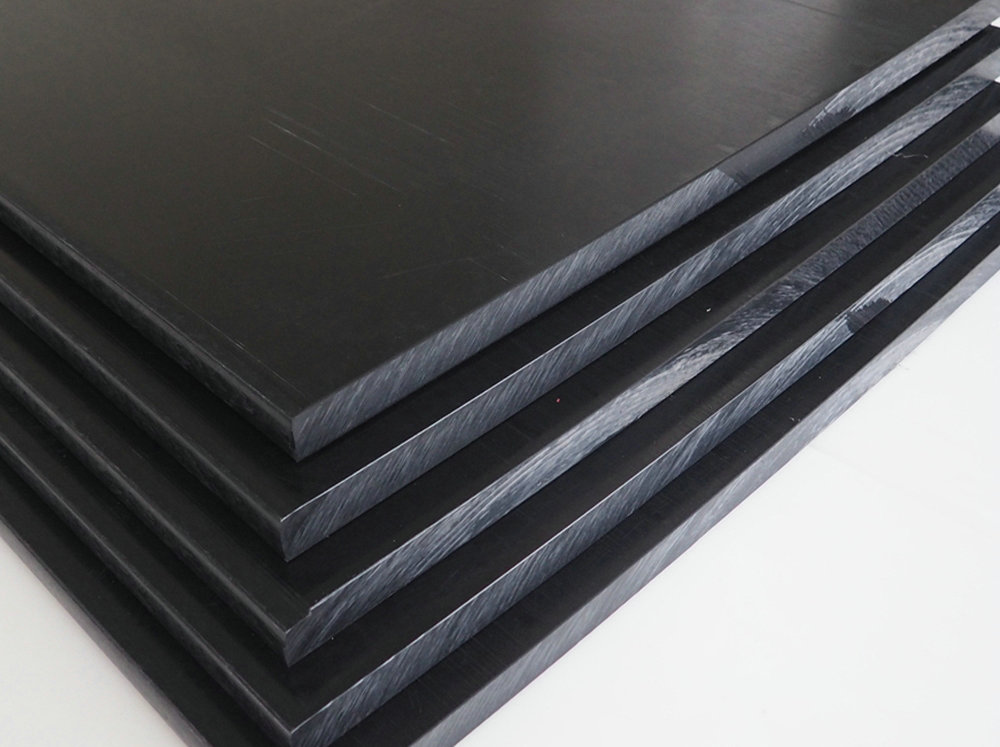
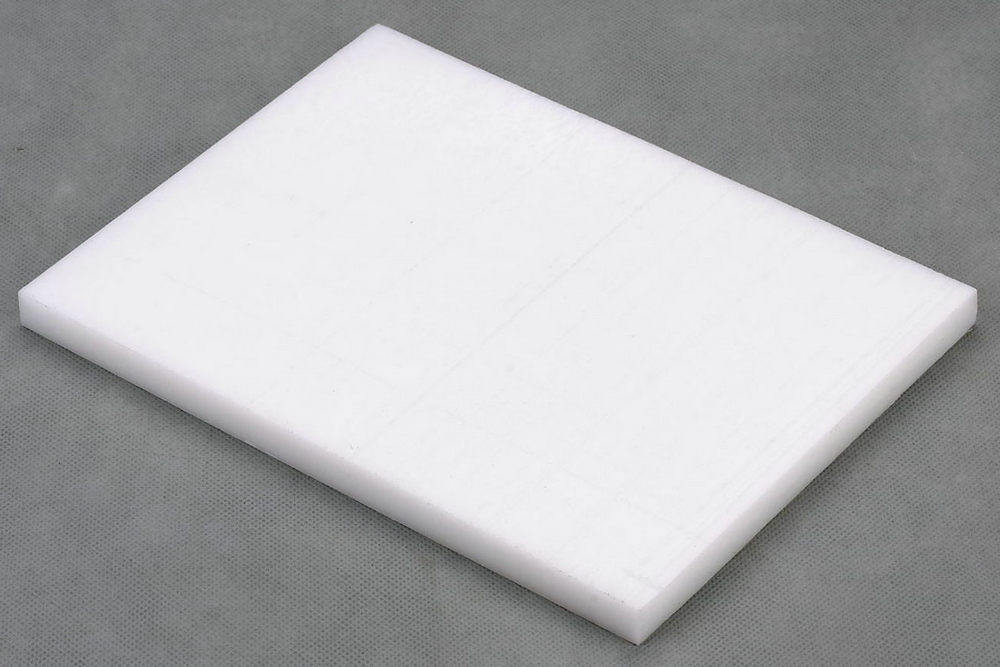
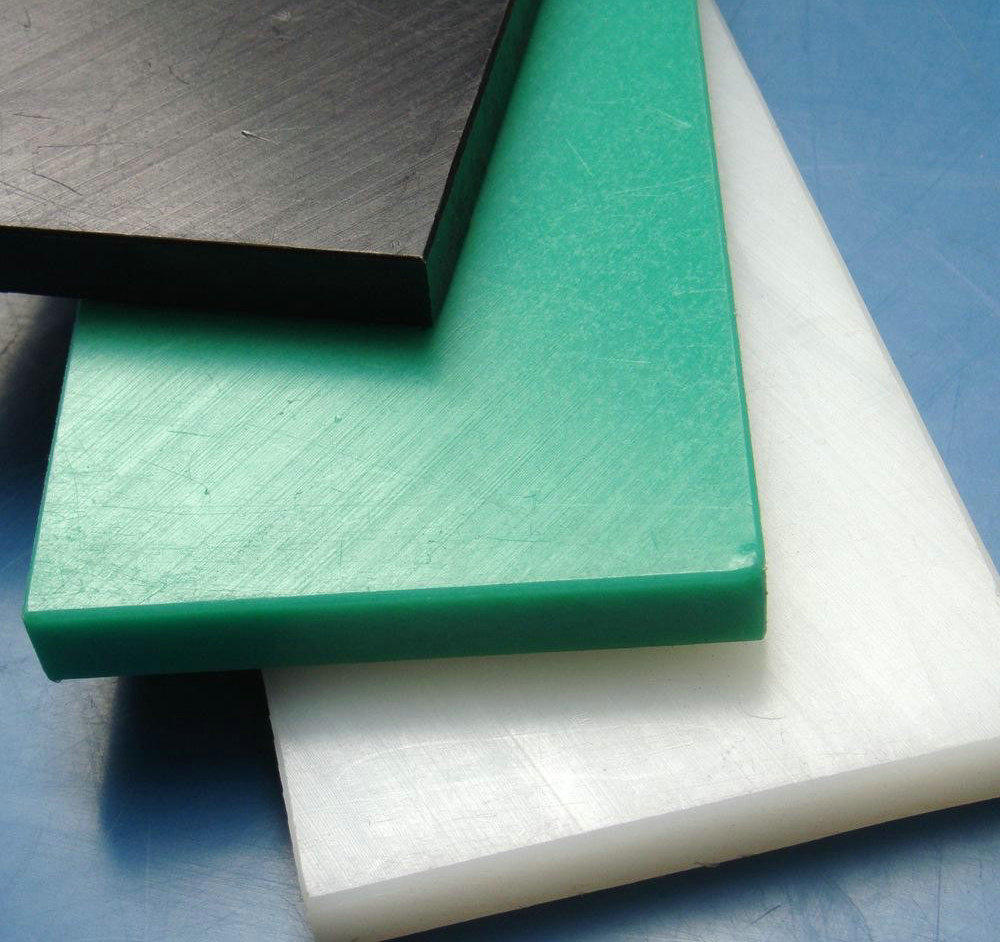
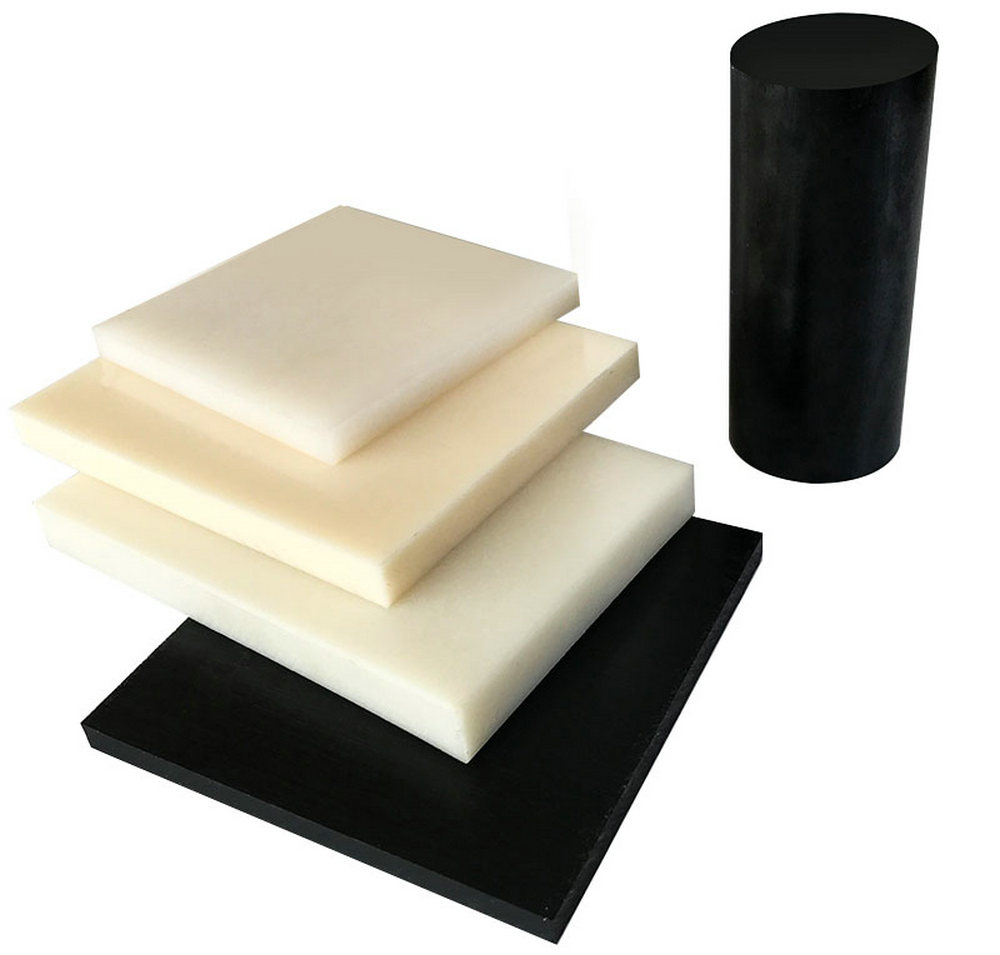
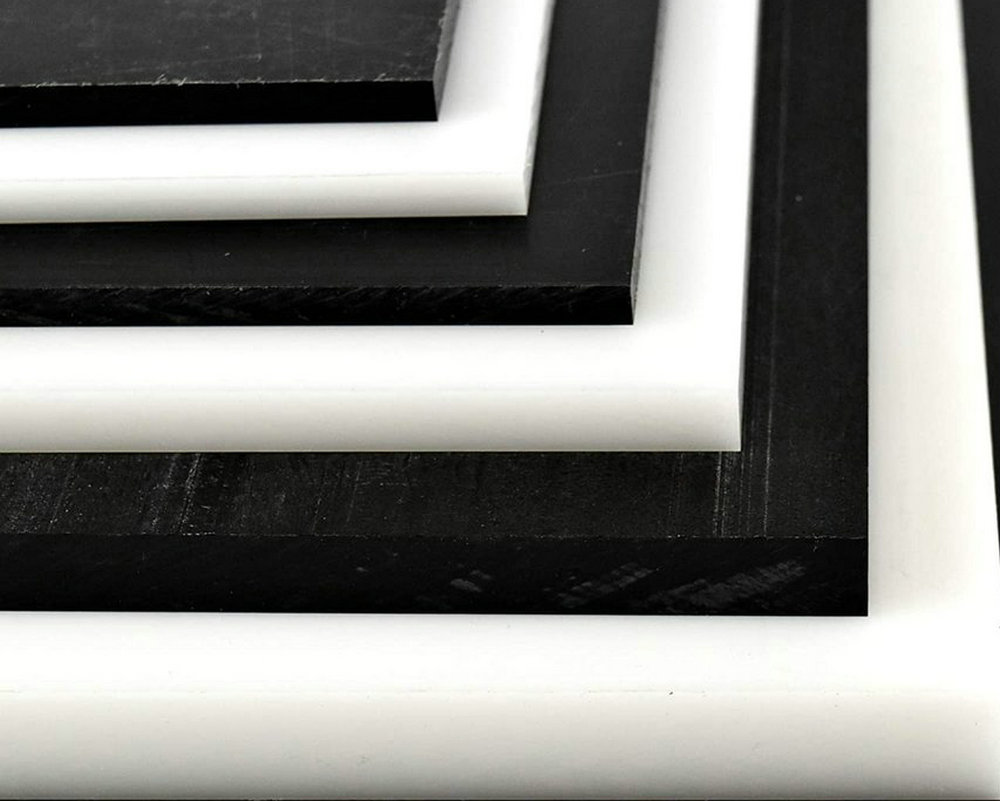
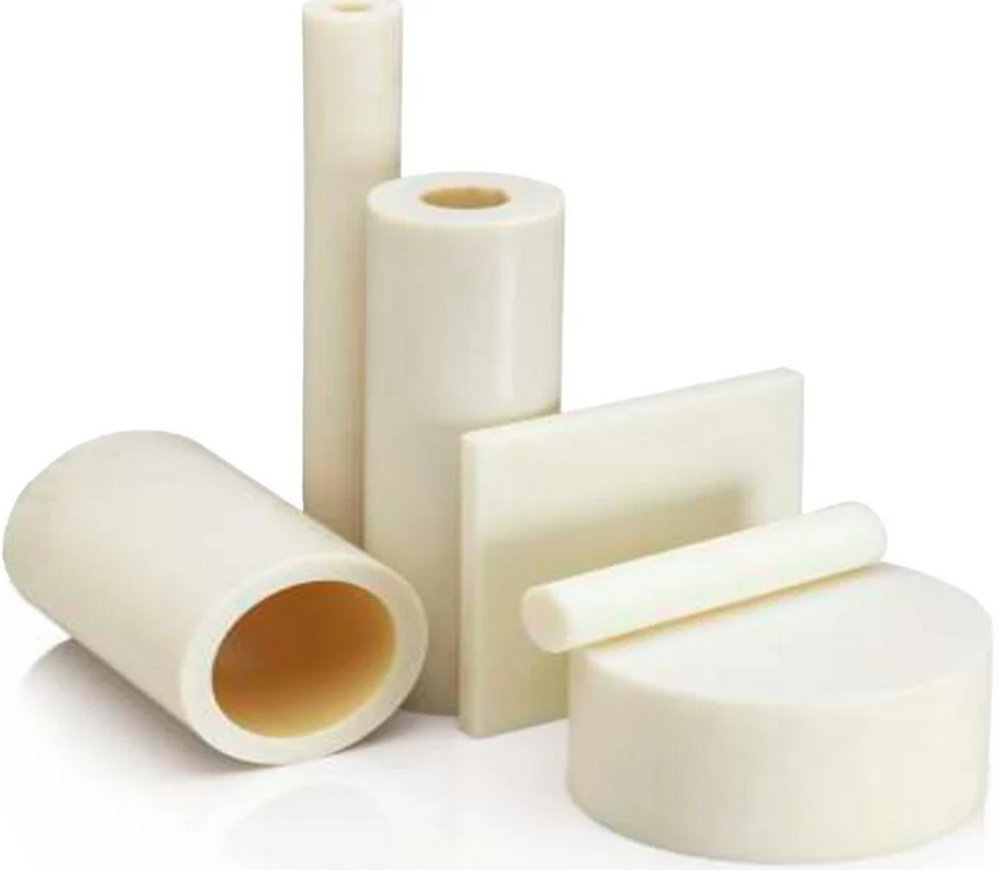
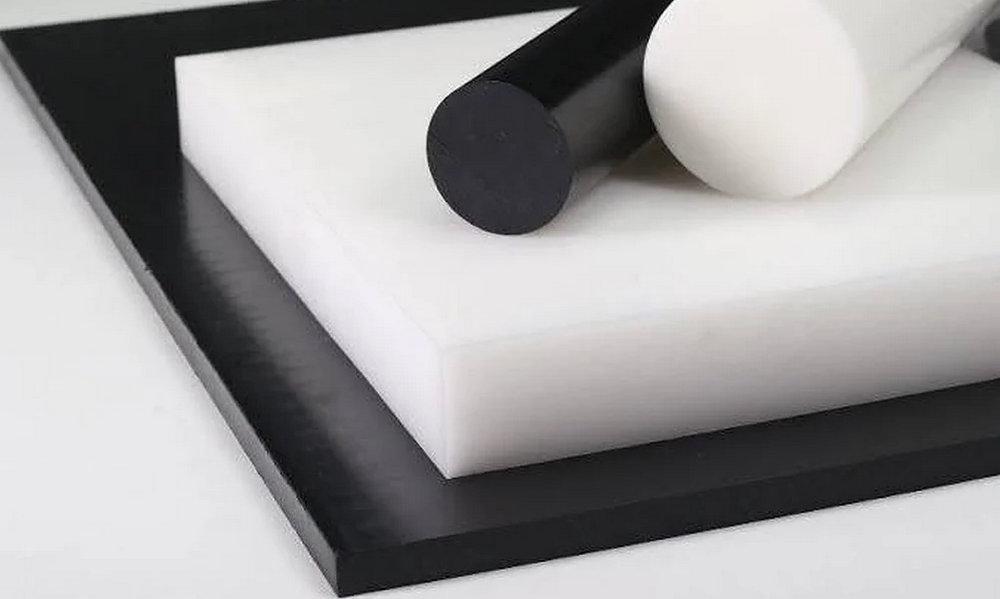
Colors: Natural (white/cream), black, and custom colors.
Storage:
Store in cool (<30°C), dry (RH <50%) environments.
Keep away from UV light, acids, and oxidizers.
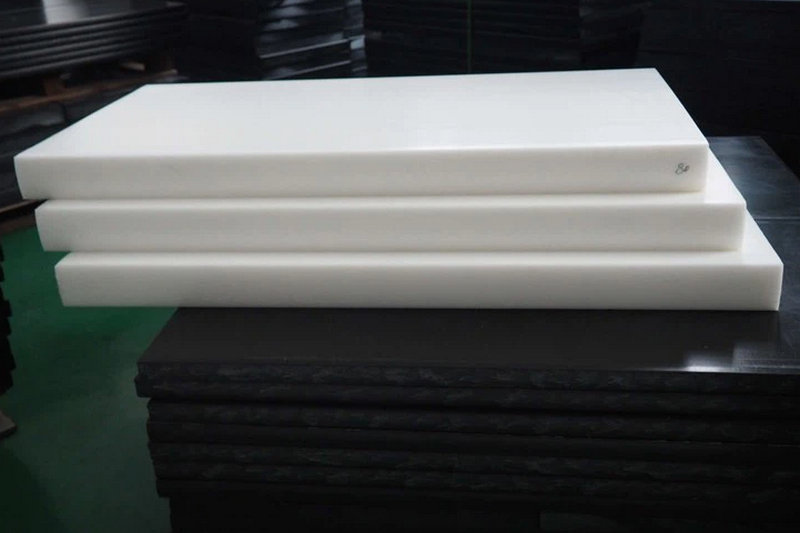
Stack sheets flat to prevent warping.
FAQ
Q1: What is the difference between POM H and POM C?
A: POM H offers higher strength; POM C excels in chemical and thermal resistance.
Q2: Are there any machining tips for POM sheets?
A: Please kindly use sharp tools, adequate cooling, and moderate speeds to avoid melting.
Q3: What about the property of UV resistance of POM Sheets?
A: Poor; they require UV-stabilized grades or protective coatings for outdoor use.
Q4: Are they Food-safe?
A: Yes, specific FDA-compliant grades are available.
Q5: How about the chemical compatibility of POM Sheets?
A: Avoid strong acids/bases; resistant to most solvents and fuels.
Q6: Can POM Sheets be welded/adhered?
A: Challenging due to low surface energy; mechanical fastening is preferred.
Q7: What is the difference between POM Sheets and Nylon Sheets?
A: POM Sheets have better creep resistance, lower moisture absorption compared with Nylon Sheets.
Q8: What is the difference between POM Sheets and PTFE Sheets?
A: POM Sheets have higher strength and rigidity, but higher friction than PTFE Sheets.
- PRE: No more
- NEXT: 30110 POM Rods