






Details
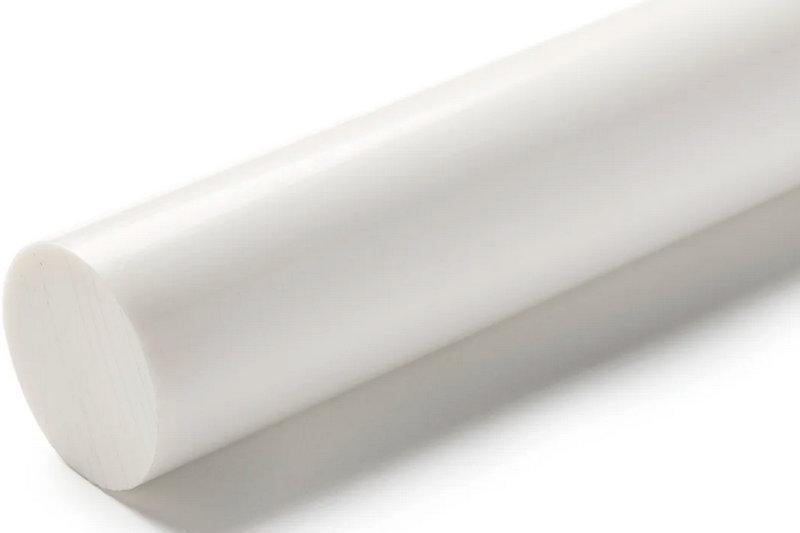
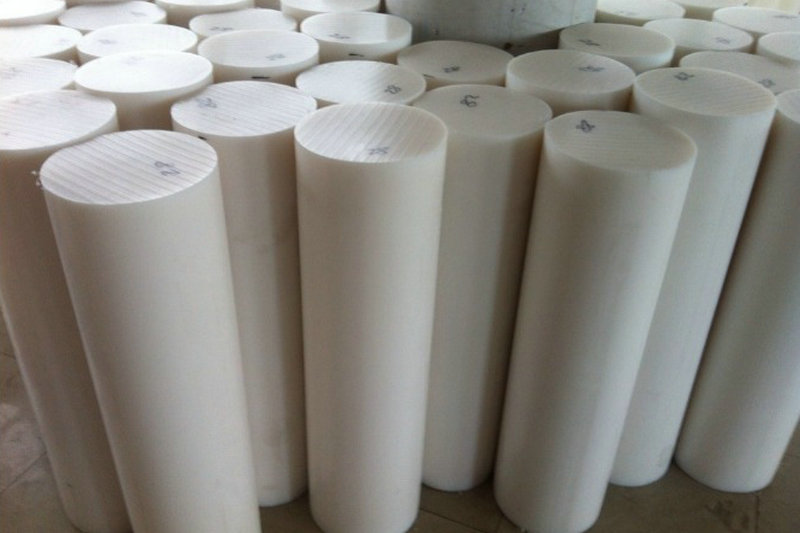
HDPE Rods
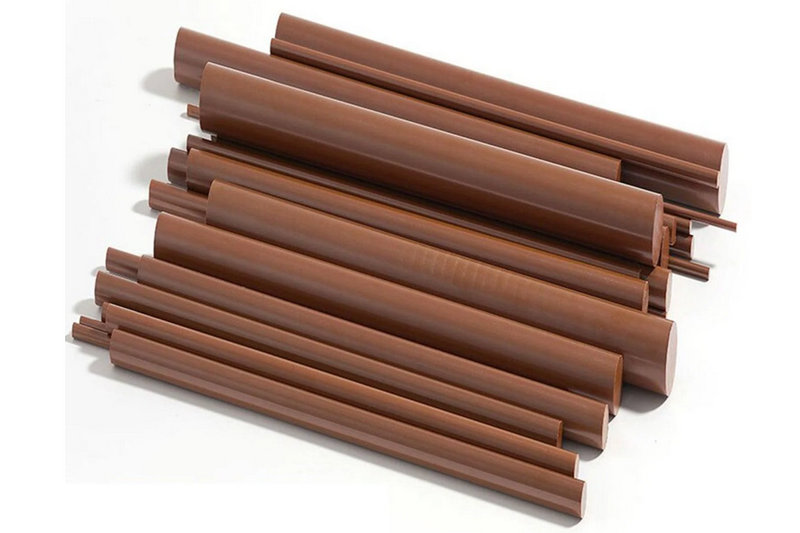
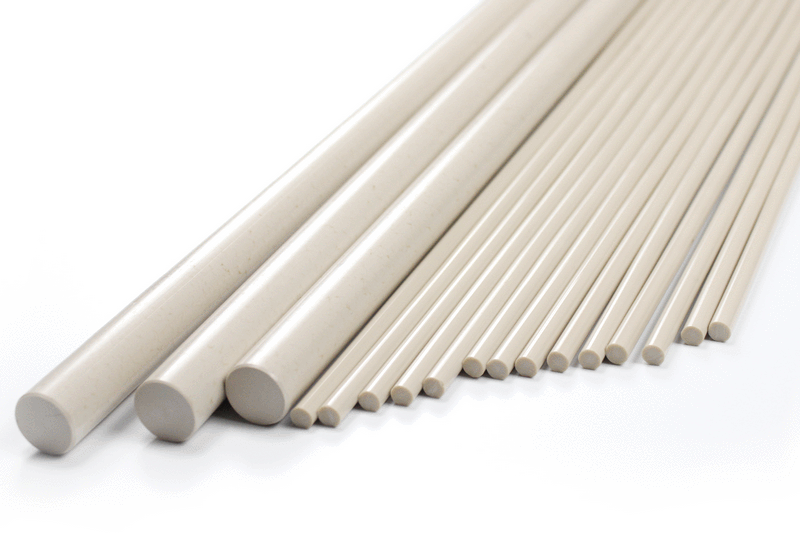
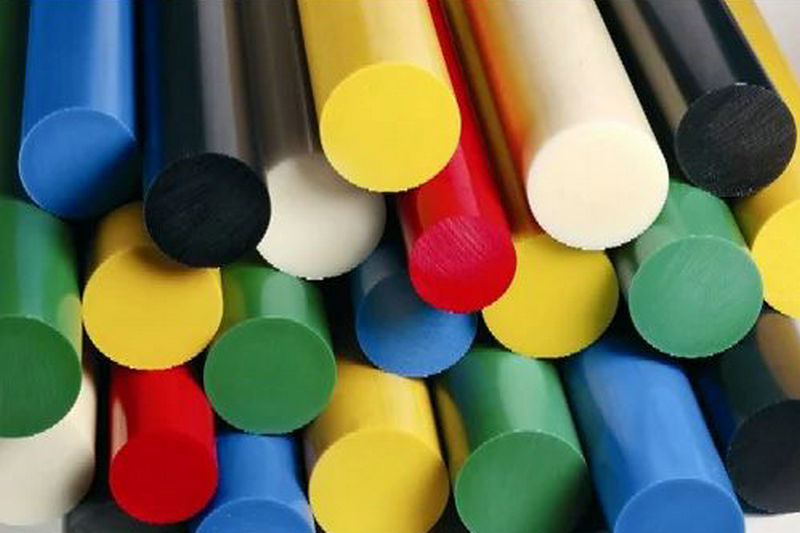
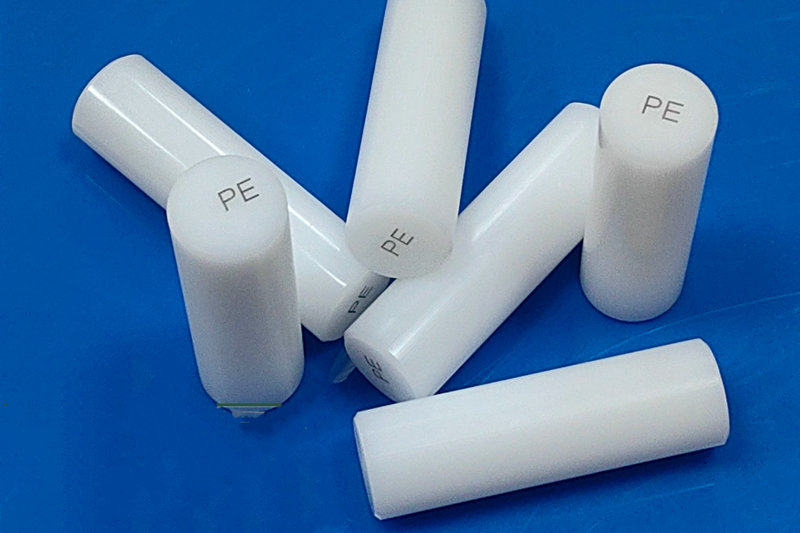
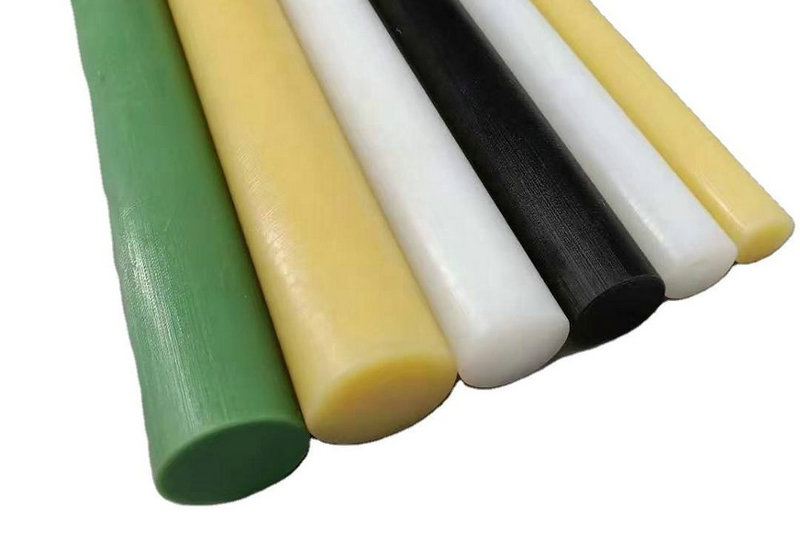
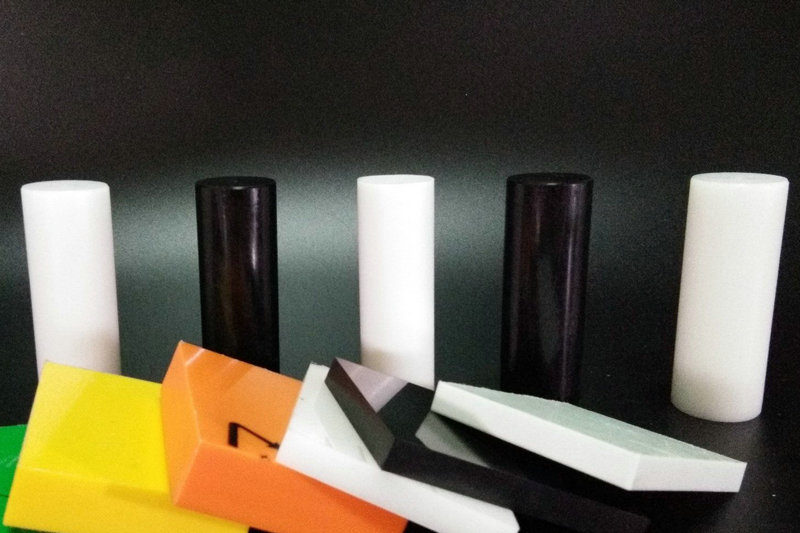
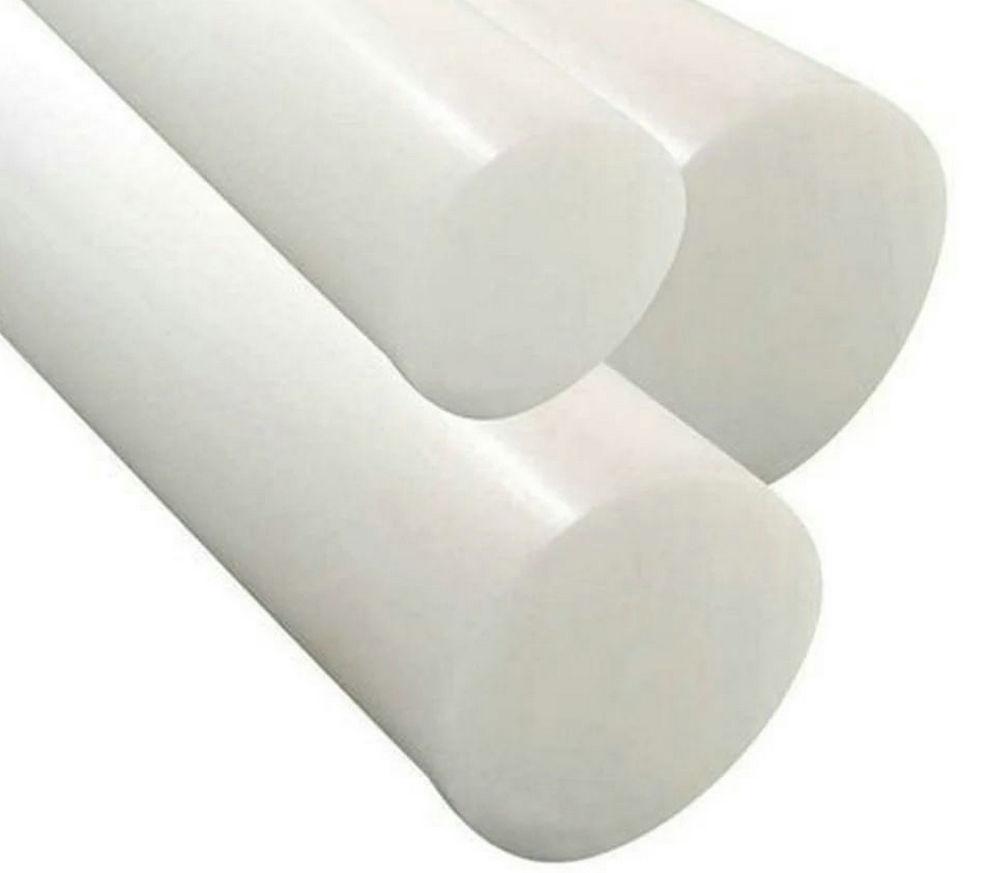
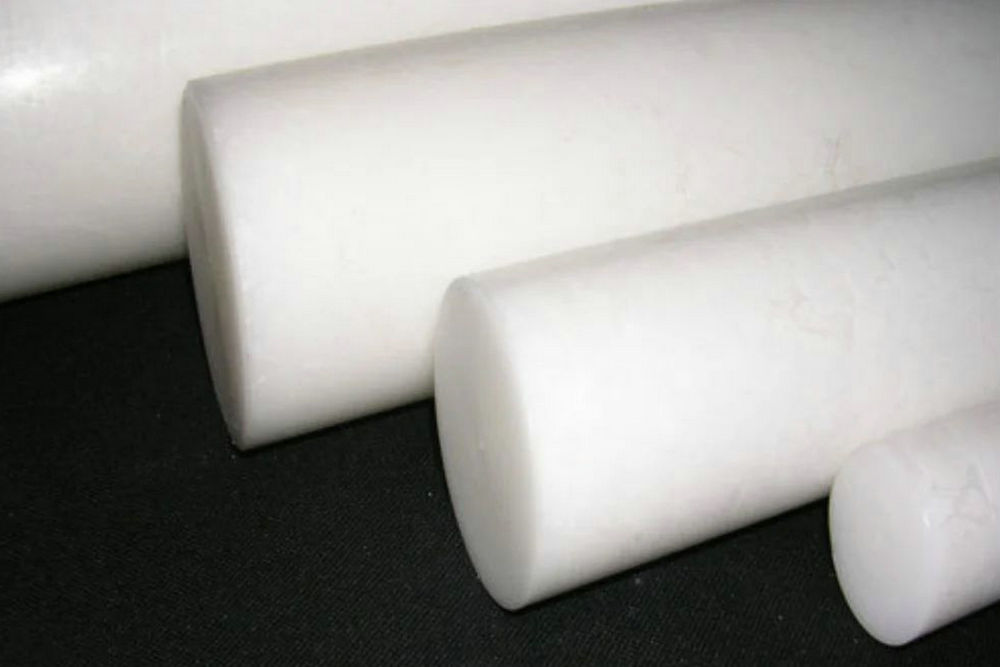
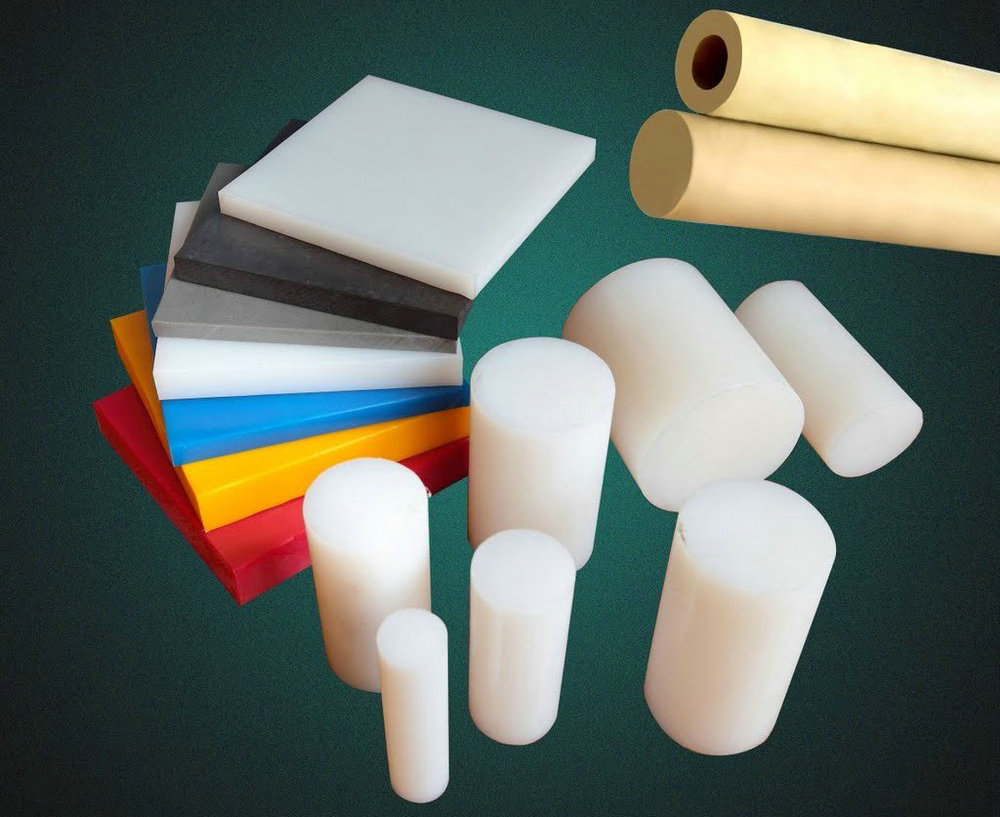
HDPE Rods are solid, cylindrical profiles made from high-density polyethylene (HDPE), a thermoplastic known for its robust strength-to-weight ratio and excellent chemical resistance. Manufactured via extrusion or machining from HDPE billets, these rods offer a smooth surface finish and high durability. They are widely used in both industrial, marine, and consumer applications where low friction, impact resistance, and ease of processing are important.
Key Features:
-High Strength & Rigidity:
The molecular structure of HDPE yields a material with high tensile strength and stiffness.
-Excellent Chemical Resistance:
Resistant to most acids, bases, solvents, and corrosive chemicals, making them suitable for harsh environments.
-Low Moisture Absorption:
<0.01% water absorption (24h immersion), Minimal water uptake ensures dimensional stability over time.
-Low Friction Surface:
Offers smooth operation in sliding and moving applications, reducing wear and energy loss.
-Good Impact Resistance:
HDPE rods can absorb shocks and impacts, ideal for dynamic applications.
-Easy Fabrication:
Can be cut, drilled, turned, and machined with standard tools. They also lend themselves well to welding and thermoforming.
-Lightweight: Density (0.94–0.97 g/cm³) makes them 8x lighter than steel.
-Self-Lubricating: Low coefficient of friction (0.2–0.3) reduces wear in dynamic applications.
Types:
Type | Key Characteristics | Applications |
Virgin HDPE Rods | Highest purity, optimal mechanical properties. | Precision bearings, chemical pump components. |
Recycled HDPE Rods | Contains 30–100% post-consumer material; eco-friendly. | Non-critical structural parts, outdoor fixtures. |
Food-Grade HDPE Rods | NSF/ANSI 51 & FDA-compliant; non-toxic. | Dairy equipment shafts, food conveyor rollers. |
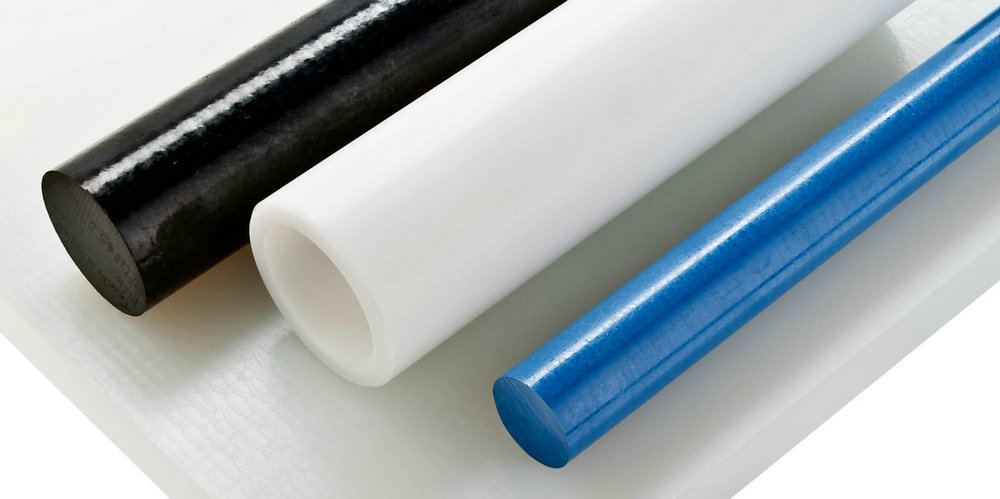
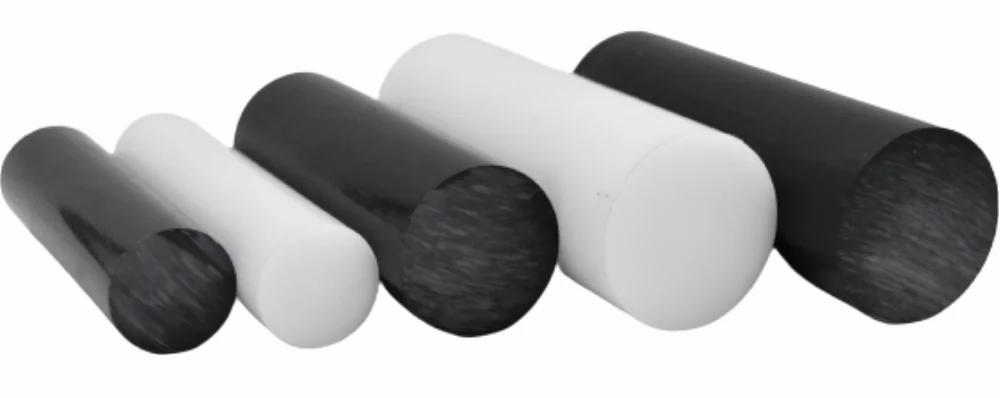
UV-Stabilized Rods | Carbon black (2–3%) or UV inhibitors for outdoor use. | Marine cleats, playground equipment posts. |
Anti-Static HDPE Rods | Surface resistivity: 10⁶–10⁹ Ω/sq (ASTM D257). | Electronics handling fixtures, cleanroom guides. |
Colored HDPE Rods | Pre-pigmented (black, blue, green) for coding/aesthetics. | Architectural dowels, safety bollards. |
Technical Parameters:
Typical technical specifications for HDPE rods include:
Parameter | Typical Value/Range | Comments |
Material | HDPE (High-Density Polyethylene) | Virgin or food-grade, UV-stabilized, or custom formulations |
Density | 0.93 – 0.97 g/cm³ | Higher density improves strength and stiffness |
Tensile Strength | 20 – 35 MPa | Depends on the grade and processing method |
Flexural Modulus | 800 – 1,200 MPa | Indicative of stiffness and resistance to bending |
Impact Resistance | Excellent (Notched Izod > 30 J/m) | High energy absorption under impact loads |
Melting Point | ~130°C – 137°C | Determines processing and service temperature limits |
Operating Temperature | -40°C to +80°C (continuous use) | Short-term exposure to higher temperatures possible with special grades |
Water Absorption | < 0.01% | Virtually impervious to moisture for excellent dimensional stability |
Coefficient of Friction | Low (varies with finish, typically 0.2–0.3) | Provides smooth sliding characteristics for moving parts |
Product Benefits:
-Corrosion Resistance: Immune to rust, rot, and galvanic corrosion.
-Durability & Longevity:
HDPE rods are highly resistant to wear, impact, and corrosion, ensuring long service life even under challenging conditions.
-Versatility:
Their excellent mechanical properties and chemical resistance make them suitable for a wide range of industries, from food processing to industrial machinery.
-Ease of Processing:
The material can be easily machined, welded, or thermoformed into complex shapes, reducing manufacturing time and cost.
-Low Maintenance:
The smooth, non-porous surface is easy to clean and does not harbor bacteria, making HDPE ideal for hygienic applications.
-Eco-Friendly:
HDPE is fully recyclable, contributing to sustainable practices in manufacturing and end-of-life disposal.
-Cost-Effectiveness:
Offers a favorable balance between performance and cost compared to many engineering plastics.
Applications:
HDPE rods are used in a wide variety of industries and applications, including:
-Industrial Components:
Bushings, bearings, rollers, and wear strips for machinery where low friction and high durability are essential.
-Food Processing Equipment:
Cutting boards, food handling components, and processing machine parts where hygiene and chemical resistance are required (using food-grade HDPE).
-Medical Devices:
Non-critical parts that benefit from HDPE’s chemical inertness and ease of sterilization.
-Outdoor Applications:
Components in signage, decking, and fencing when UV-stabilized HDPE is used.
-Chemical Storage & Transport:
Tubing, fittings, and components in systems handling aggressive chemicals.
-Custom Fabrication:
Prototyping and bespoke components in various engineering fields that require precision machining and reliable performance.
Storage & Handling:
To maintain the quality and performance of HDPE rods, observe these guidelines:
-Storage Environment:
oStore in a cool, dry, and well-ventilated area away from direct sunlight and extreme temperature fluctuations.
-Handling Procedures:
oUse appropriate lifting equipment to prevent bending or damage. Avoid dropping or striking the rods to preserve surface integrity.
-Packaging:
oKeep rods in protective packaging to avoid scratches, dust, and contamination during transportation and storage.
-Long-Term Storage:
oRegularly inspect stored rods for signs of warping or discoloration, especially if stored outdoors or in high-humidity areas.
FAQ
Q1: What are HDPE rods made of?
A: They are made from high-density polyethylene, a thermoplastic known for its high strength, chemical resistance, and durability.
Q2: What makes HDPE rods different from LDPE rods?
A: HDPE rods have a higher density and rigidity compared to lower-density polyethylene ( LDPE), resulting in superior strength, chemical resistance, and impact resistance.
Q3: How are HDPE rods processed?
A: They can be easily machined using standard tools, and they can also be thermoformed, welded, or drilled to suit specific applications.
Q4: What are the typical sizes available for HDPE rods?
A: They come in a wide range of diameters and lengths. Standard sizes are available, but custom dimensions can be manufactured upon request.
Q5: What industries commonly use HDPE rods?
A: Industries such as food processing, chemical manufacturing, medical devices, industrial machinery, and outdoor construction frequently use HDPE rods due to their robust performance and versatility.
Q6: Can HDPE rods handle high loads?
A: Suitable for low to moderate loads (compressive strength ~25–35 MPa). For heavy loads, consider UHMWPE.
Q7: Can HDPE rods be threaded?
A: Yes—use standard tap/die sets, but avoid fine threads (coarse threads hold better).
Q8: How do HDPE rods compare to nylon rods?
A: HDPE has better chemical resistance and lower moisture absorption but lower tensile strength.
Q9: Can HDPE rods be welded?
A: Yes—use hot air welding or butt welding for seamless joints.
Q10: What is the difference between HDPE and UHMWPE rods?
A: Please refer to the matrix below:
HDPE vs. UHMWPE rods
Aspect | HDPE Rods | UHMWPE Rods |
Abrasion Resistance | Moderate | 15x higher than carbon steel |
Impact Strength | High | Extreme (virtually unbreakable) |
Cost | $2–5 per kg | $10–20 per kg |
Temperature Limit | 80°C continuous | 80–100°C (short-term) |
Machinability | Easy | Challenging (softer, gums tools) |
Primary Uses | Bushings, marine components | High-wear gears, conveyor chains |
- PRE: 80100 HDPE Sheets
- NEXT: No more