






Details
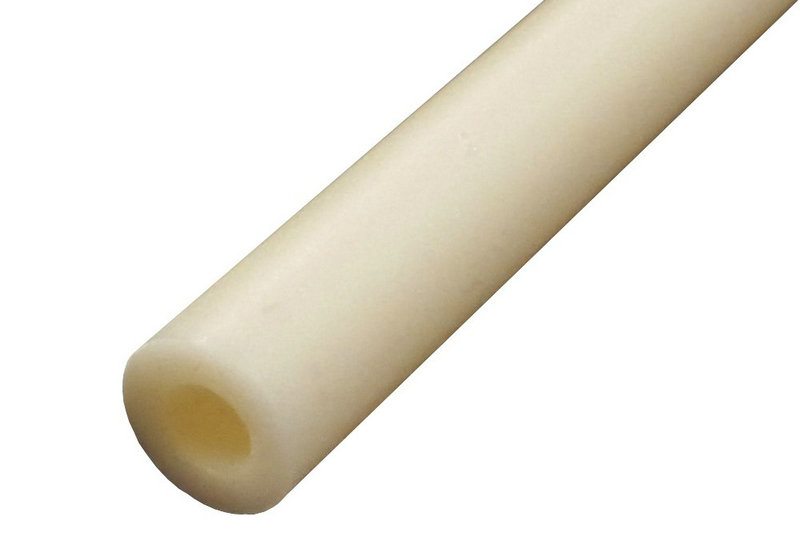
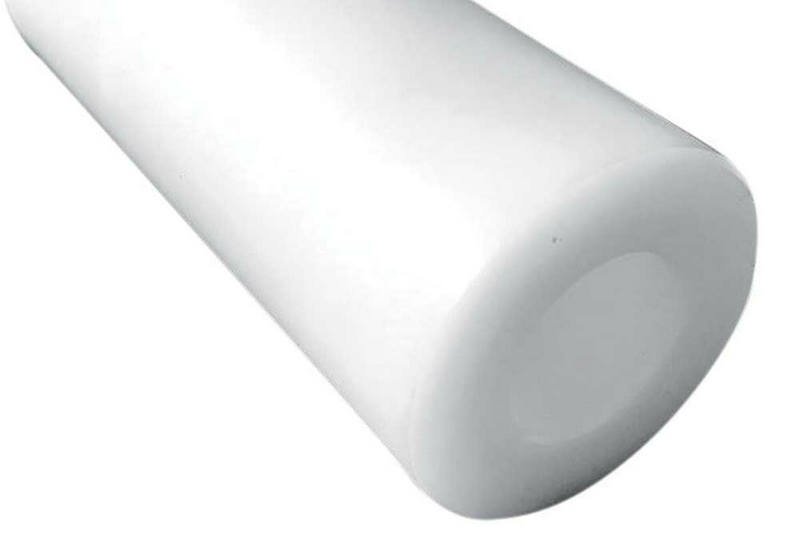
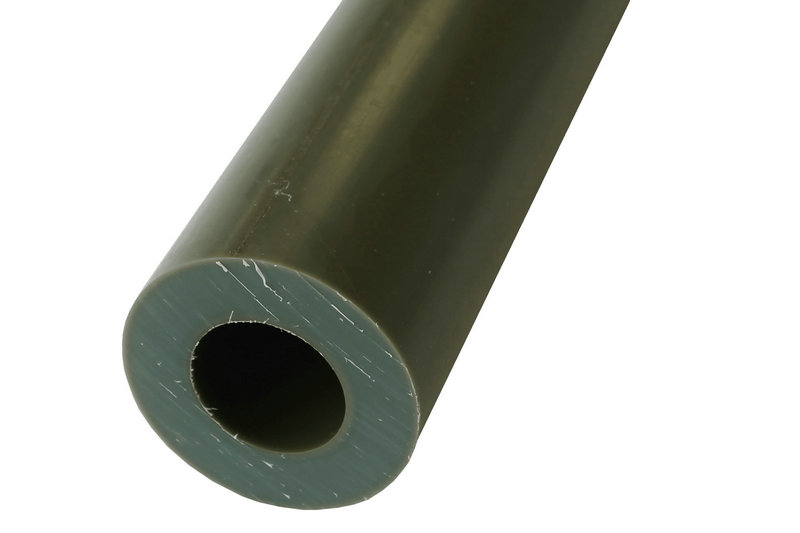
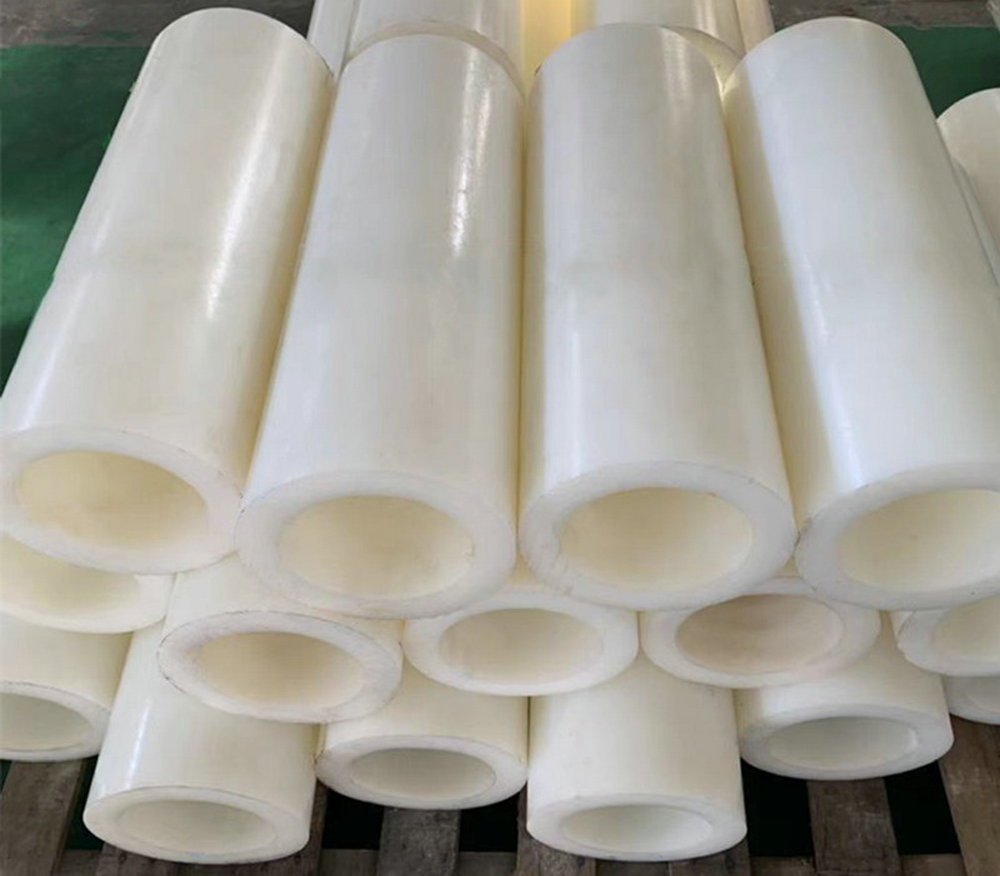
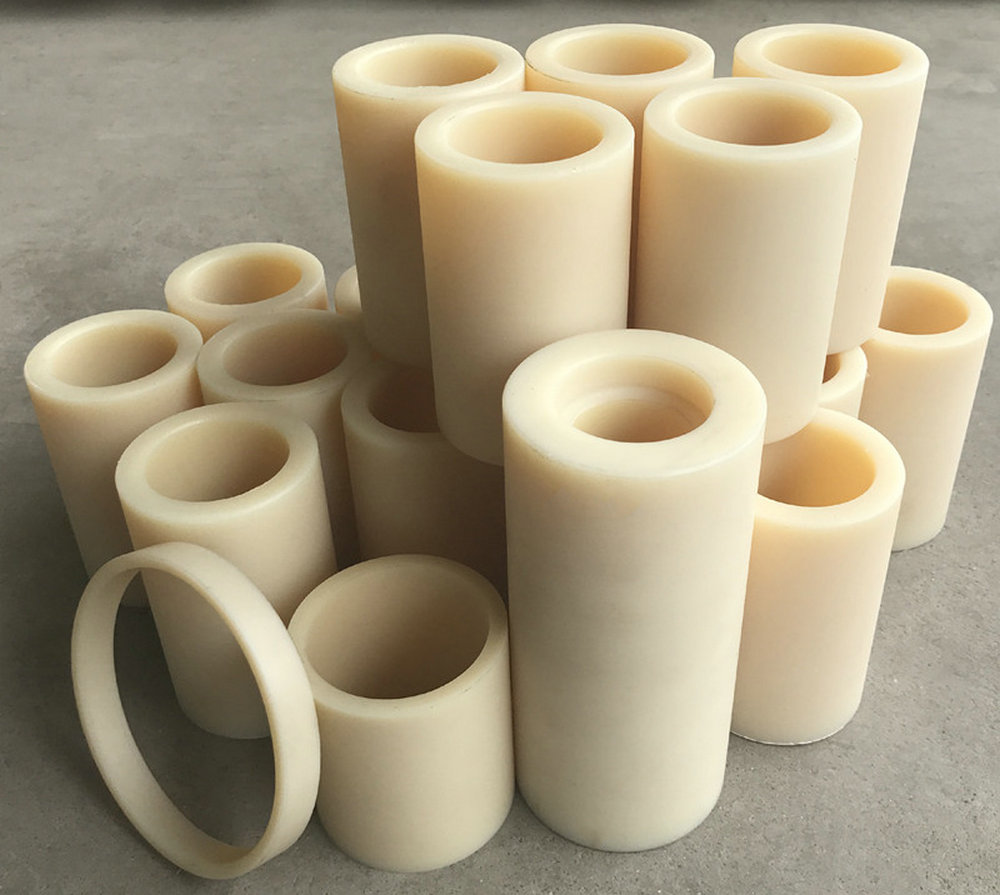
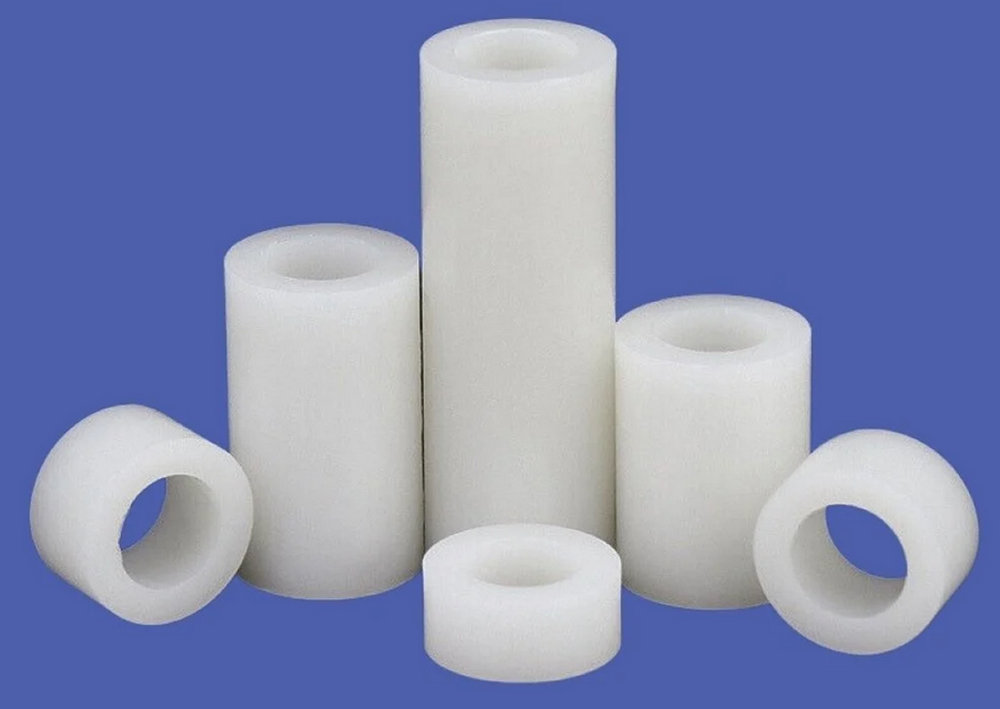
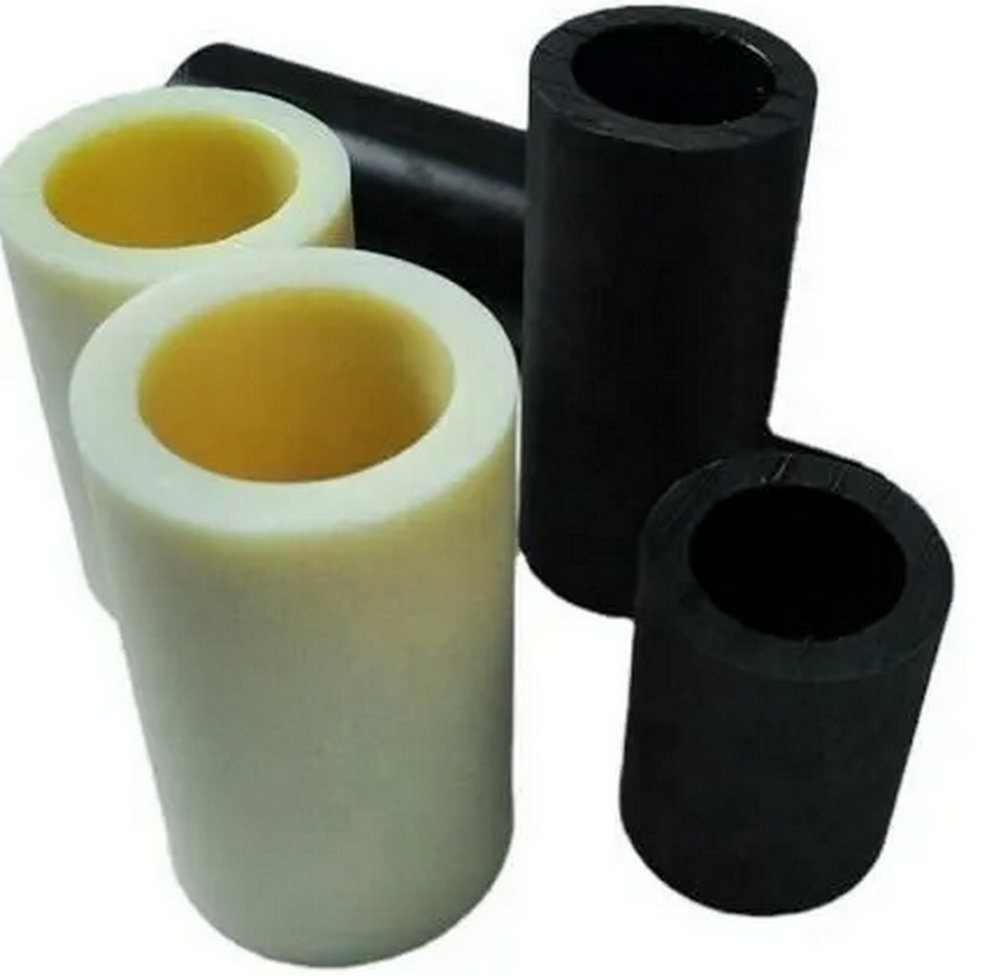
PA (NYLON) TUBES
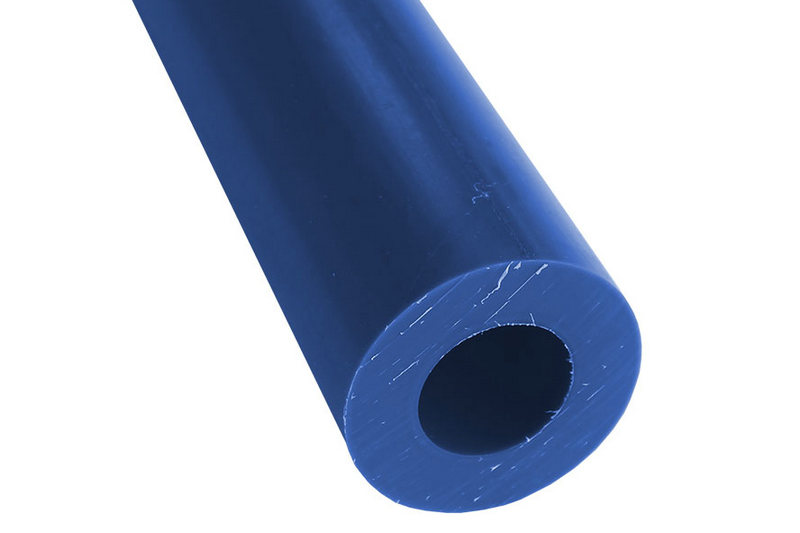
Nylon tubes, also called Polyamide Tubes or PA Tubes, are hollow, cylindrical structures made from polyamide resins, engineered for fluid, gas, or pneumatic conveyance. Unlike solid nylon rods or sheets, their primary function is to provide a lightweight, flexible, and durable pathway for media transfer in dynamic systems.
Key Features:
Flexibility & Durability: Retains shape under bending stress while resisting kinking.
Chemical Resistance: Withstands oils, fuels, alkalis, and weak acids (varies by PA type).
Temperature Tolerance: Operates from -40°C to +120°C (short-term peaks higher).
Abrasion Resistance: Ideal for high-friction environments like pneumatic systems.
Low Permeability: Minimizes gas/liquid diffusion (critical for fuel or air lines).
Smooth Interior: Reduces pressure drop and particulate buildup.
Technical Parameters:
Tensile Strength: 70-100 MPa (PA6), 80-120 MPa (PA66).
Melting Point: PA6 (~220°C), PA66 (~260°C), PA12 (~178°C).
Density: 1.12-1.15 g/cm³ (PA6/PA66), 1.01-1.02 g/cm³ (PA12).
Moisture Absorption: PA6 (3.0-3.5%), PA66 (2.5-3.0%), PA12 (1.5%).
Thermal Expansion: High, necessitating design considerations.
Dielectric Strength: ~20 kV/mm.
Materials: PA6 (general use), PA11/PA12 (flexible, fuel-resistant), PA66 (high-temp).
Dimensions:
Inner Diameter (ID): 2 mm to 400 mm.
Outer Diameter (OD): 4 mm to 500 mm.
Wall Thickness: 2 mm to 50 mm (to be customized).
Pressure Rating: 5 bar to 25 bar (higher for braid-reinforced types).
Product Advantages:
Lightweight: 1/7th the weight of steel tubes.
Corrosion-Free: No rusting or oxidation.
Ease of Installation: Cuttable with standard tools; requires no welding.
Noise Dampening: Reduces vibration vs. rigid metal lines.
Cost-Effective: Lower maintenance and installation costs.
Applications:
Automotive: Fuel lines, brake fluid transfer, air brake systems.
Pneumatics: Air supply lines, robotic actuators.
Hydraulics: Low-pressure hydraulic systems (e.g., agriculture machinery).
Medical: Endoscope channels, peristaltic pump tubing.
Food/Beverage: Beverage dispensing, dairy processing (food-grade PA).
Industrial: Compressed air networks, coolant lines.
Types:
Non-Reinforced: Standard PA6/PA66 for general-purpose use.
Braid-Reinforced: Embedded polyester/steel braid for high-pressure (e.g., PA12+braid).
Conductive: Carbon-filled for static dissipation in explosive environments.
Storage:
Avoid UV Exposure: Store in opaque packaging or dark areas.
Temperature Control: Keep below 40°C to prevent softening.
Coiling: Large-diameter tubes should be coiled loosely (≥20x OD) to avoid deformation.
Dry Environment: Prevent moisture absorption (pre-dry before use if stored >6 months).
FAQ
Q: Can PA tubes handle gasoline?
A: PA11/PA12 tubes are fuel-resistant; PA6/PA66 degrades with prolonged exposure.
Q: How to join nylon tubes?
A: Basically we use compression fittings, push-to-connect fittings, or thermal welding (for reinforced types) to join nylon tubes.
Q: What is the maximum bend radius of nylon tubes?
A: Minimum bend radius = 4x OD (non-reinforced) or 8x OD (braid-reinforced).
Q: Are nylon tubes reusable?
A: Yes, if fittings are undamaged, but avoid repeated bending at the same spot.
Q: What is the difference between PA and PVC tubes?
A: PA offers higher heat resistance and durability; PVC is cheaper but brittle in cold.
Q: How about the shelf life of nylon tubes?
A: Normally it is about 5 years if stored properly; yellowing indicates UV degradation.
- PRE: 10110 NYLON Rods – Rubber Sheets Manufacturers
- NEXT: No more