






Details
Functional Applications and Target Users of Nylon Sheets
Nylon sheets are engineered for industries demanding lightweight, wear-resistant materials with strong
mechanical properties.Our product serves engineers and procurement specialists requiring robust nbr
material alternatives for sealing and insulation applications. These sheets are particularly valued in
sectors needing precision components that reduce maintenance downtime. Nbr gasket and sealing
specialists also incorporate nylon sheets for their compatibility with a range of polymer-based seals,
confirming their integral role in systems where reliable sealing and structural stability are critical to
operational success.
Technical Attributes and Measurable Specifications of Nylon Sheets
Manufactured from high-grade polyamide polymers, nylon sheets exhibit tensile strengths ranging
from 70 to 200 MPa depending on composition variants such as PA 6, PA 66, and glass-filled types.
The material maintains thermal stability between -40°C and 120°C, with some formulations extending
beyond. Its chemical resistance to oils, fuels, and solvents makes it an ideal substitute for components
exposed to harsh environments. Our production ensures dimensional stability with controlled moisture
absorption, crucial for applications involving nbr gasket and nbr seal material where precision sealing
integrity is mandatory.
Industry Applications and Practical Value of Nylon Sheets
Nylon sheets find broad utilization across automotive, electronics, medical equipment, and food
processing industries. They are frequently deployed in manufacturing wear-resistant nbr sheet seals,
bushings, and insulating components integral to system efficiency and longevity. The material’s
machinability enables complex customizations necessary for nbr gasket manufacturing, while its
noise-dampening and corrosion-resistant properties enhance durability in heavy-duty industrial
environments. These attributes translate to operational cost reductions and optimized performance
in demanding production workflows.
PA (NYLON) SHEETS
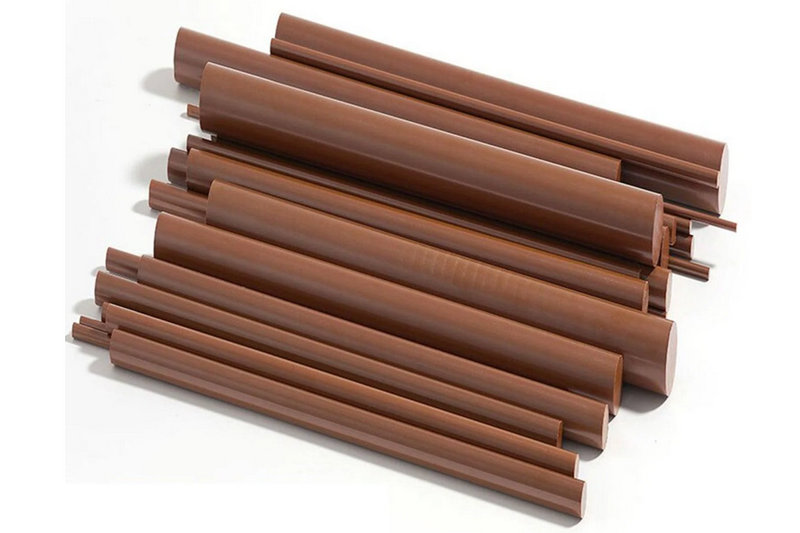
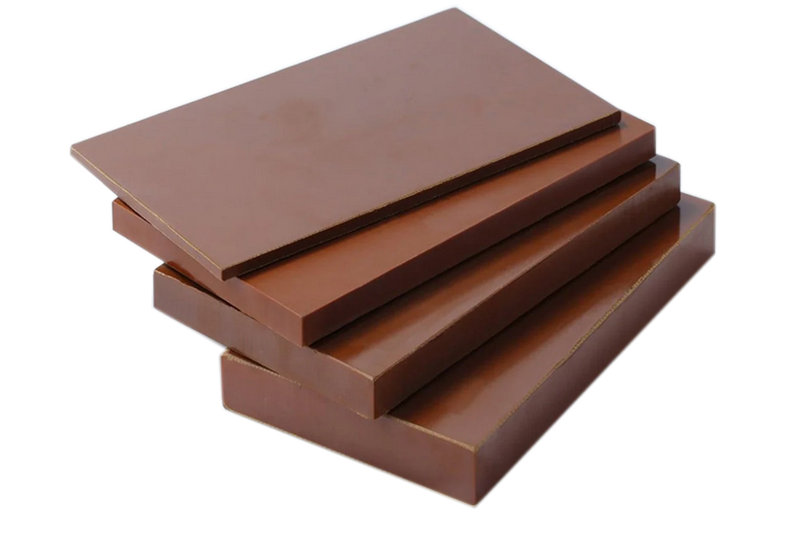
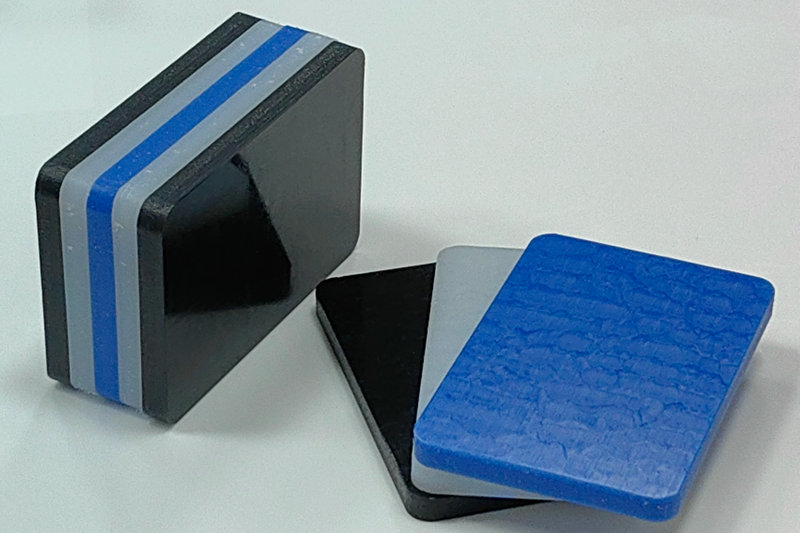
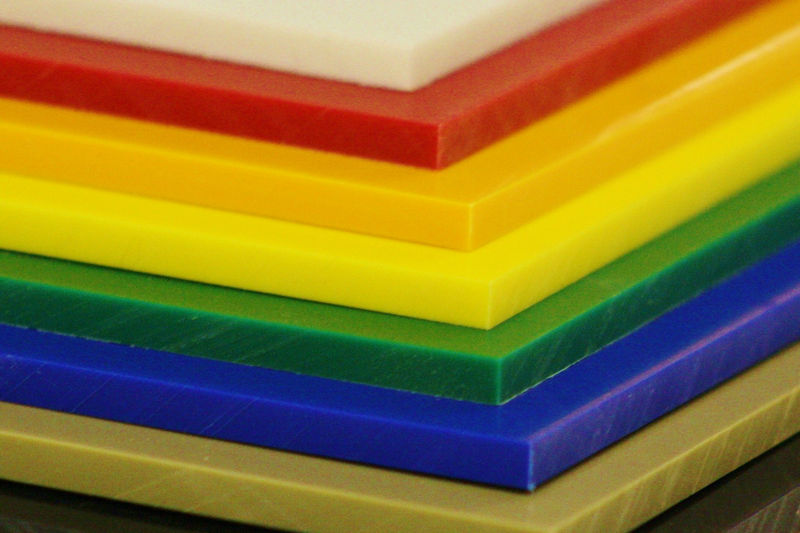
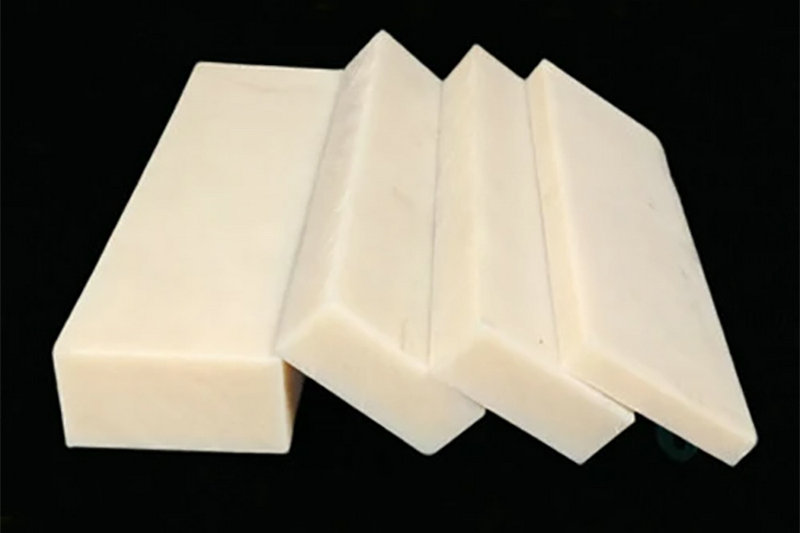
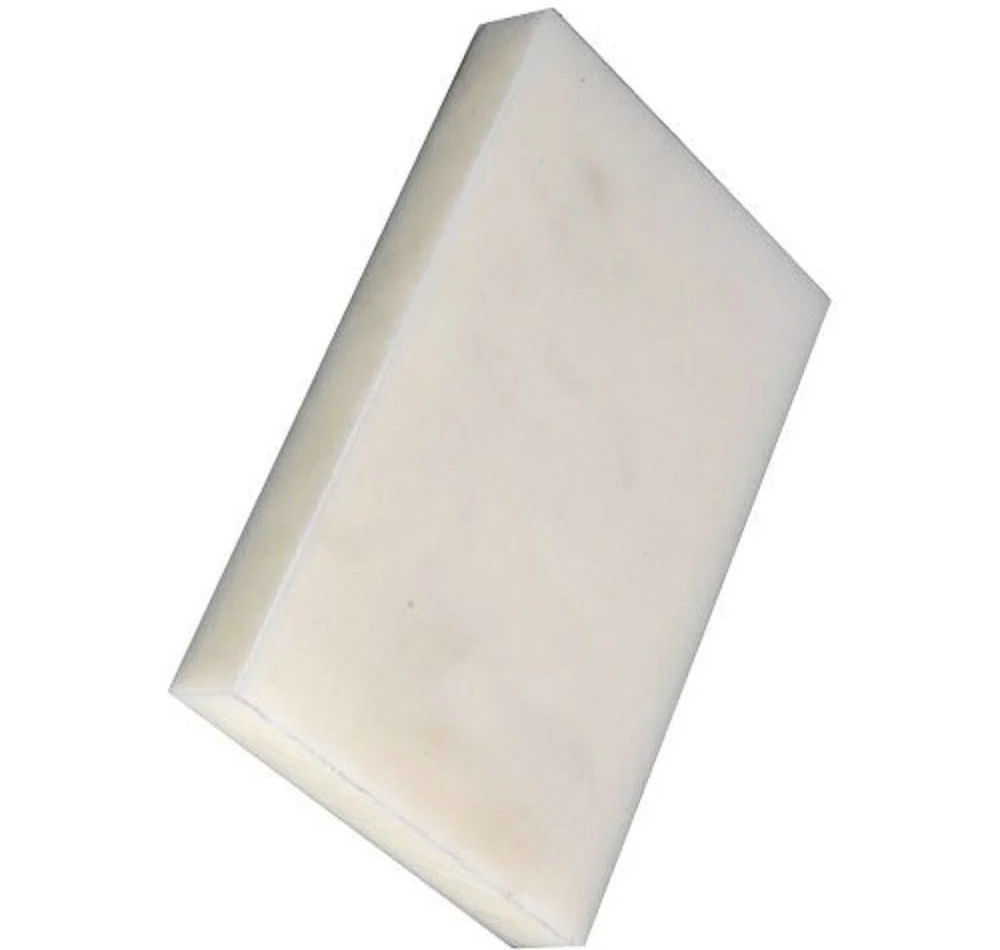
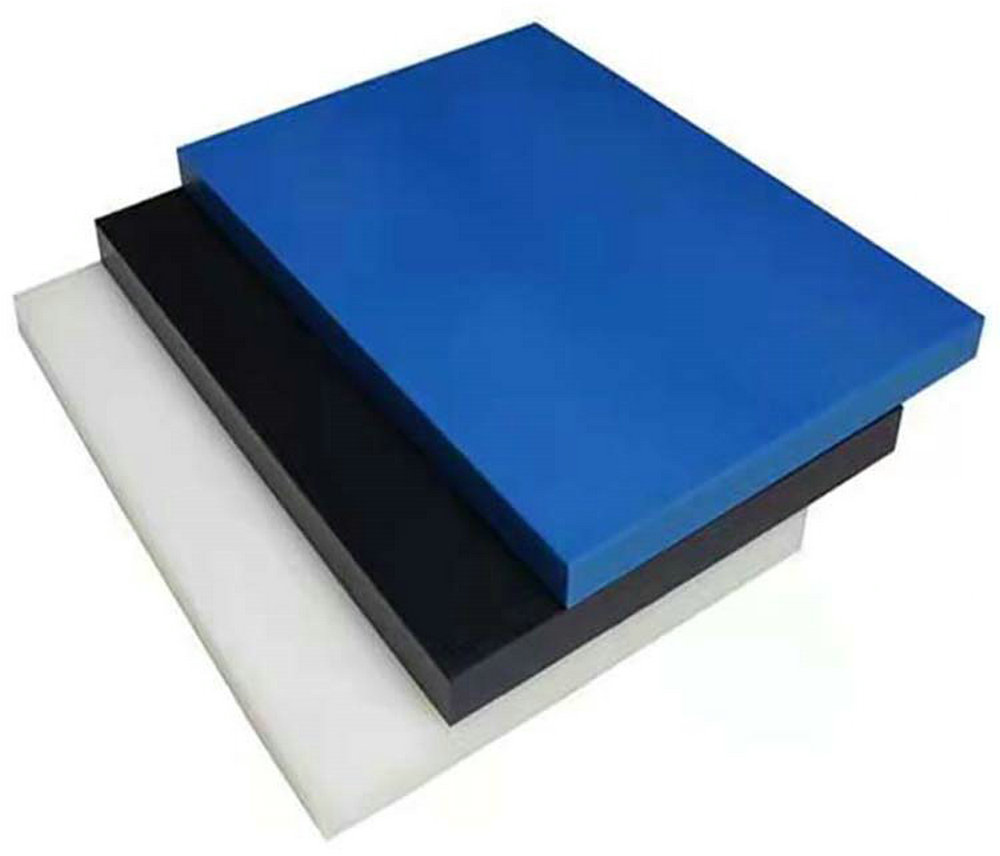
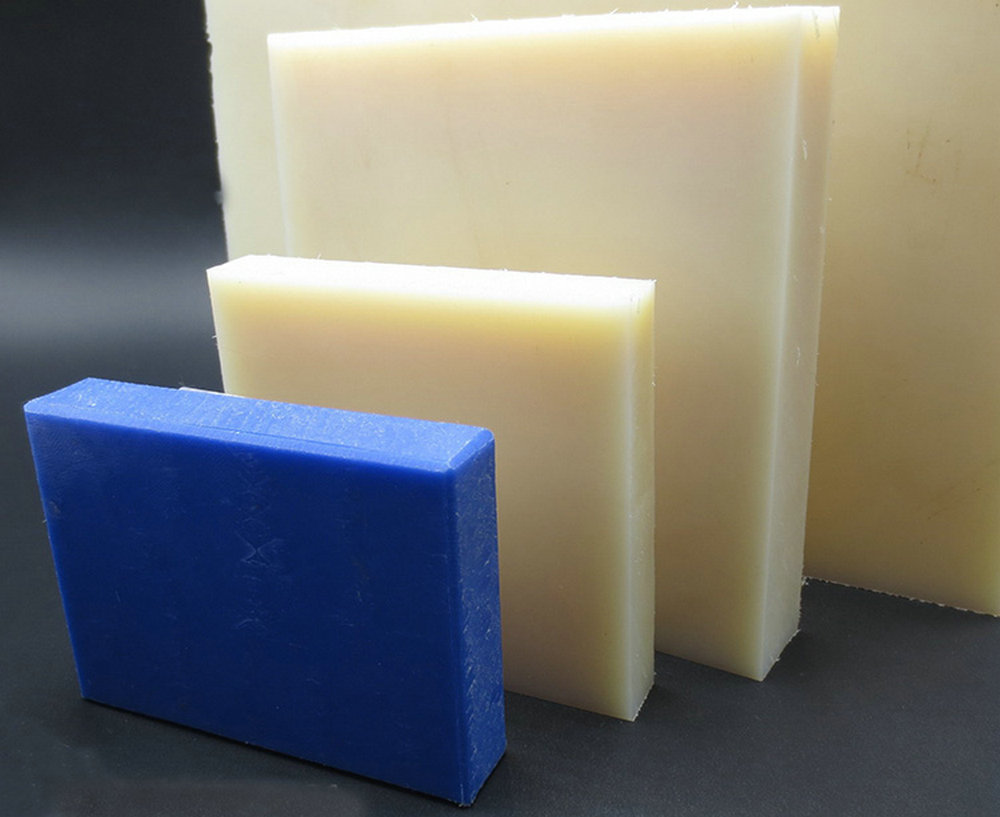
POLYAMIDE SHEETS (PA SHEETS), normally known as Nylon Sheets, are flat, semi-crystalline thermoplastic materials made from polyamide (PA) polymers, such as PA 6, PA 66, PA 12, or PA 46. They are manufactured through extrusion or casting processes and are prized for their mechanical strength, wear resistance, and versatility in engineering applications.
Technical Parameters:
Property | Nylon 6 | Nylon 66 | Glass-Filled Nylon |
Tensile Strength (MPa) | 70–90 | 80–100 | 100–200 |
Melting Point (°C) | 215–225 | 260–265 | 260–265 |
Density (g/cm³) | 1.13 | 1.14 | 1.3–1.5 |
Moisture Absorption (%) | 2.5–3.0 | 1.5–2.5 | 1.0–1.5 |
Impact Strength (kJ/m²) | 5–10 | 4–8 | 8–15 |
Product Advantages:
Cost-Effective: Cheaper than metals like bronze or stainless steel.
Noise Reduction: Dampens vibrations in machinery.
Machinability: Easily cut, drilled, or molded into complex shapes.
Lightweight: Reduces overall system weight in automotive/aerospace.
Corrosion Resistance: Performs well in humid or chemically aggressive environments.
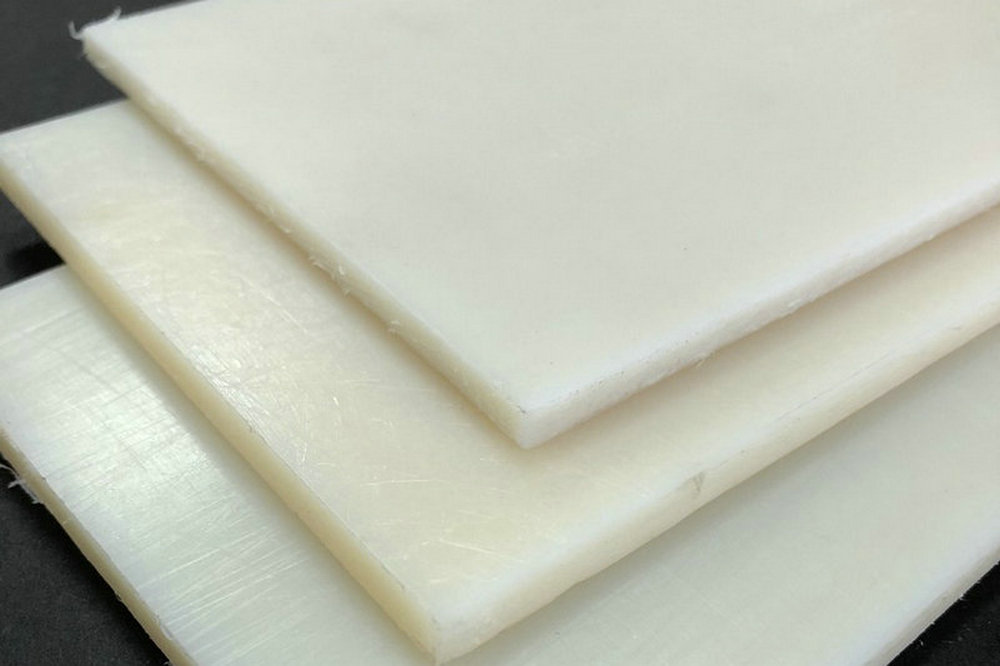
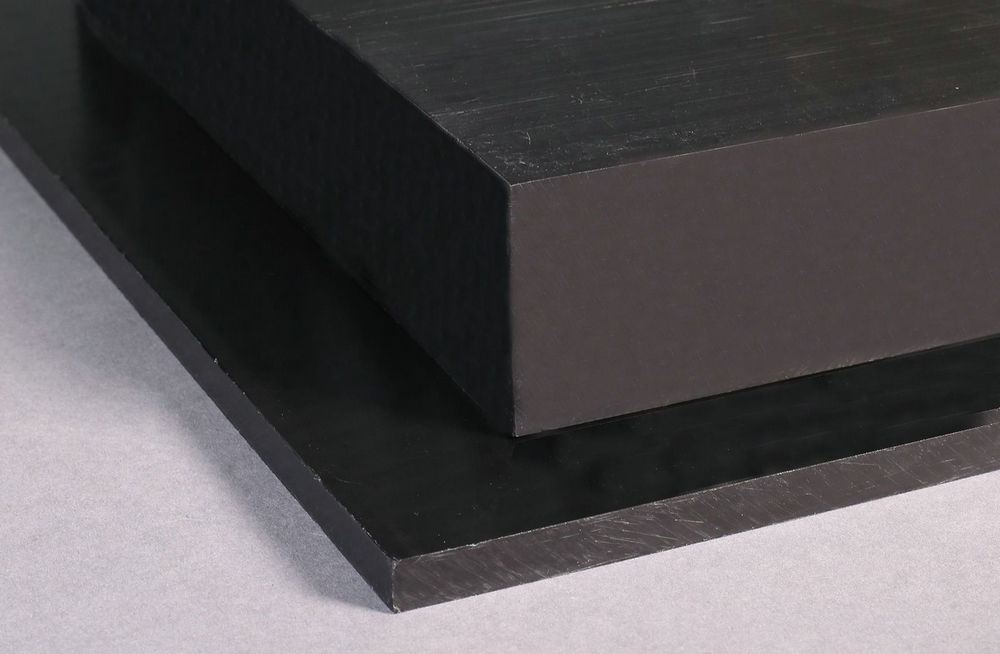
Applications:
Industrial: Gears, bearings, rollers, conveyor components.
Automotive: Bushings, under-hood components, fuel system parts.
Electronics: Insulating spacers, circuit board mounts.
Food Processing: FDA-compliant sheets for machinery parts.
Medical: Surgical tool handles, sterilizable equipment.
Consumer Goods: Skateboard wheels, zippers, sporting equipment.
Types:
PA 6 (Nylon 6): Easier to process, good balance of properties.
PA 66 (Nylon 66): Higher melting point and mechanical strength.
Glass-Filled Nylon: Enhanced stiffness and thermal resistance (e.g., 30% glass fiber).
Storage:
Dry Environment: Store in low humidity (<50% RH) to prevent moisture absorption. Use sealed packaging with desiccants.
Temperature Control: Keep at 15–30°C; avoid extreme heat or cold.
FAQ
Q1: How does moisture affect PA sheets (nylon sheets)?
A: Moisture causes swelling and dimensional changes. Pre-dry sheets before machining to prevent defects.
Q2: What are the temperature limits for PA sheets (Nylon Sheets)?
A: Continuous use up to 120°C (Nylon 6) or 150°C (Nylon 66). Glass-filled variants withstand higher temps.
Q3: Can nylon sheets be machined?
A: Yes. Use sharp tools and coolants to avoid melting. Ensure material is dry.
Q4: How do PA 6 (Nylon 6) and PA 66 differ?
A: Nylon 66 has higher strength and thermal resistance; Nylon 6 offers better processability.
Q5: Are nylon sheets chemical-resistant?
A: Resistant to hydrocarbons and oils but avoid strong acids/bases.
Q6: How to join nylon sheets?
A: Use epoxy or cyanoacrylate adhesives, or ultrasonic welding.
Q7: Are they UV-resistant?
A: Not inherently; UV-stabilized grades are available for outdoor use.
UV Protection: Shield from direct sunlight to prevent degradation.
Handling: Stack flat with support to avoid warping; avoid heavy loads.
Pre-Processing: If moisture is absorbed, dry at 80–100°C for 4–6 hours before machining.
- PRE: No more
- NEXT: 10110 NYLON Rods – Rubber Sheets Manufacturers